
What Are Reptilians? Exploring the Myths, Theories, and Fascination with Alien Beings
More than theories they’re real


What Are Reptilians? Exploring the Myths, Theories, and Fascination with Alien Beings
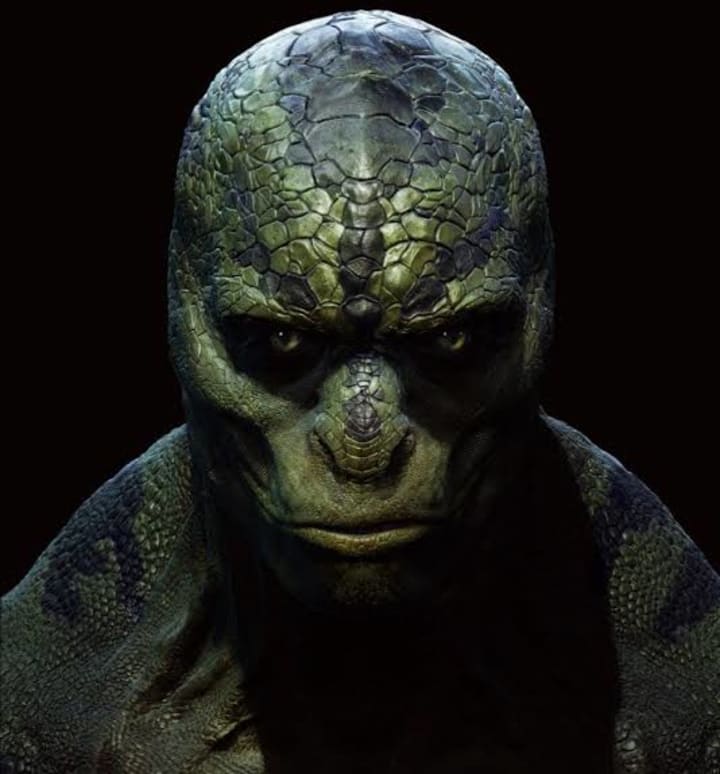
For decades, tales of extraterrestrial beings have captivated humanity, blending science fiction, folklore, and conspiracy theories. Among these narratives, one of the most persistent and intriguing involves the Reptilians—a supposed race of humanoid, reptile-like beings. Whether portrayed as malevolent overlords seeking to enslave humanity or as benevolent guides with advanced knowledge, Reptilians have captured imaginations worldwide. But what exactly are Reptilians, and why do they feature so prominently in modern cultural and conspiratorial discourse?
This article explores the origins of the Reptilian concept, the theories surrounding their existence, and their influence on culture and belief systems.
Origins of the Reptilian Phenomenon
The idea of reptilian beings dates back thousands of years, appearing in ancient mythologies, religious texts, and modern science fiction. Here's a breakdown of how the concept has evolved over time:
Ancient Mythology and Legends
1. Mesopotamian and Sumerian Beliefs:
- In ancient Sumerian texts, deities like the *Anunnaki* were often associated with serpentine features. These gods were said to have descended from the heavens to shape humanity, a story some interpret as an early reference to extraterrestrial beings.
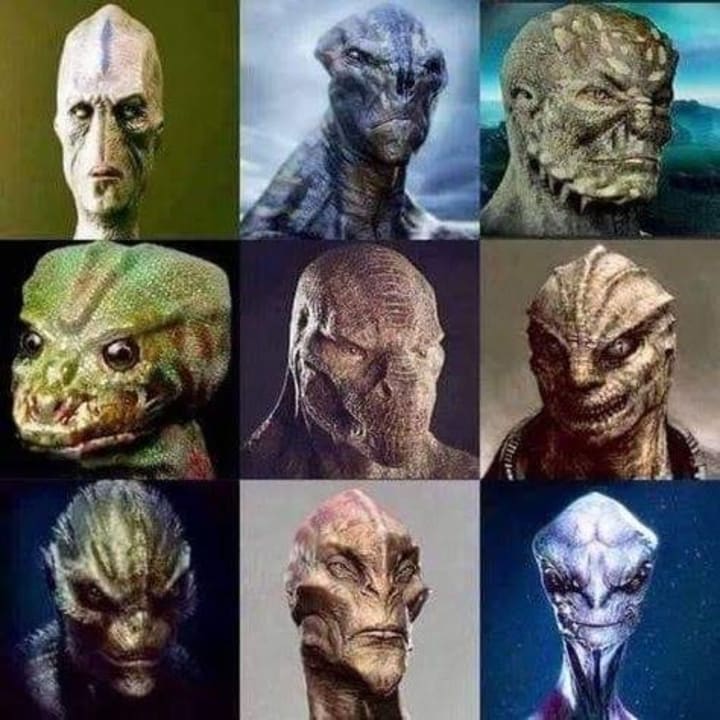
2. Hindu and Buddhist Traditions:
- The Nāgas in Hindu and Buddhist traditions are semi-divine serpent beings with immense power and wisdom. Often depicted as protectors of treasures or spiritual secrets, they share thematic similarities with modern Reptilian lore.
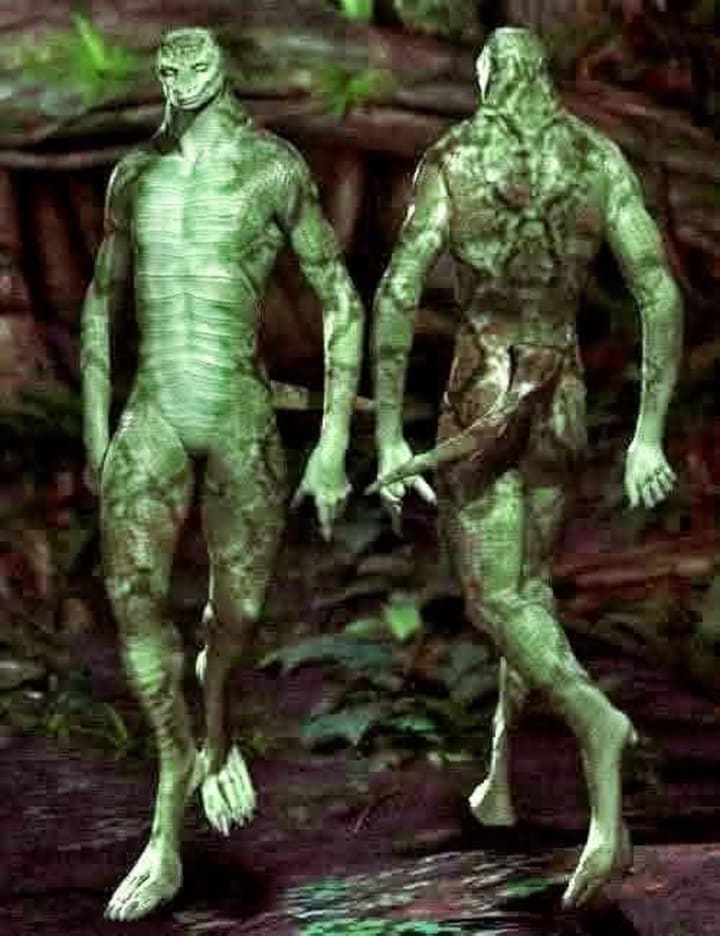
3. Mesoamerican Cultures:
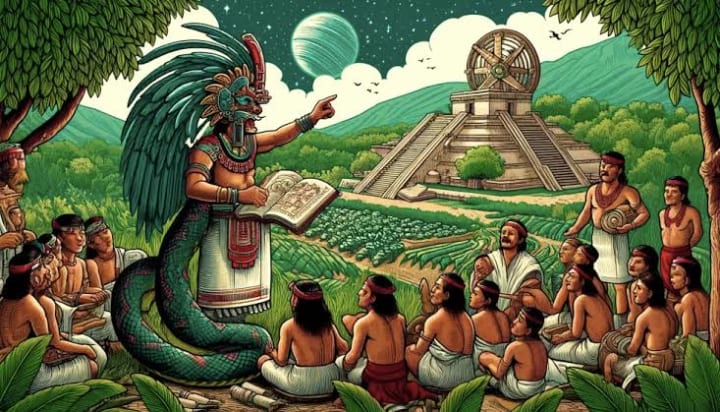
- The Aztec god *Quetzalcoatl, often described as a feathered serpent, was revered as a creator deity. This imagery of reptilian beings as powerful and godlike persists in modern Reptilian theories.
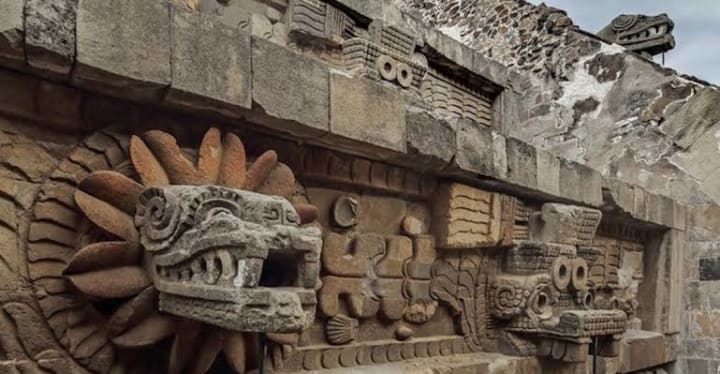
4. Biblical Symbolism:
- The serpent in the Garden of Eden and other biblical references to reptilian forms have been linked to concepts of deception, hidden knowledge, and control.

The Rise of Science Fiction
In the 20th century, the rise of science fiction popularized the idea of alien species, including reptilian beings. Early works like H.G. Wells' *The War of the Worlds* laid the groundwork for imagining advanced extraterrestrial civilizations. Reptilian aliens became a recurring trope in literature, films, and television, serving as metaphors for fears of invasion and domination.
David Icke and the Modern Reptilian Theory
The concept of Reptilians as a malevolent force took on a new life in the 1990s, largely due to the work of British author and conspiracy theorist David Icke. Icke claimed that a hidden group of shape-shifting Reptilian aliens, known as the "Babylonian Brotherhood," secretly controls world governments, financial institutions, and media outlets.
According to Icke, these Reptilians originate from the Alpha Draconis star system and possess the ability to manipulate human events from behind the scenes. He alleges that many prominent political figures, including U.S. presidents and British royalty, are either Reptilian hybrids or under their influence.
Physical Descriptions of Reptilians
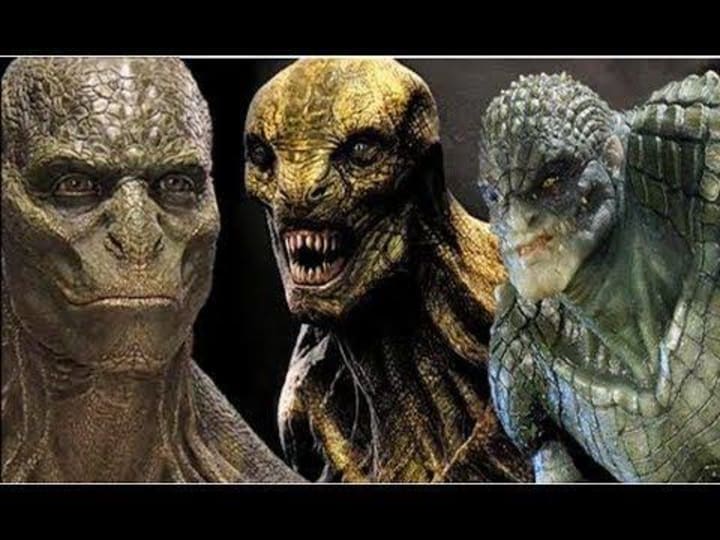
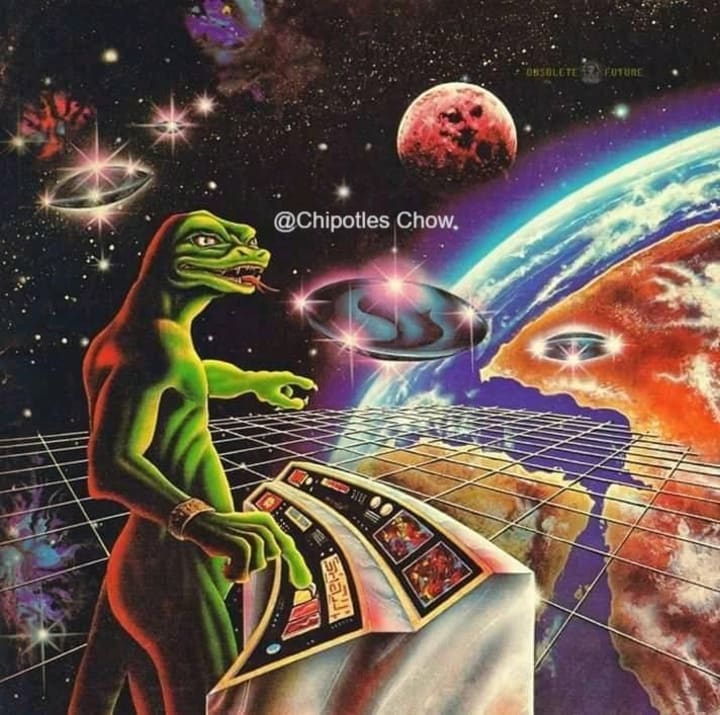
Descriptions of Reptilians vary, but most accounts share common features:
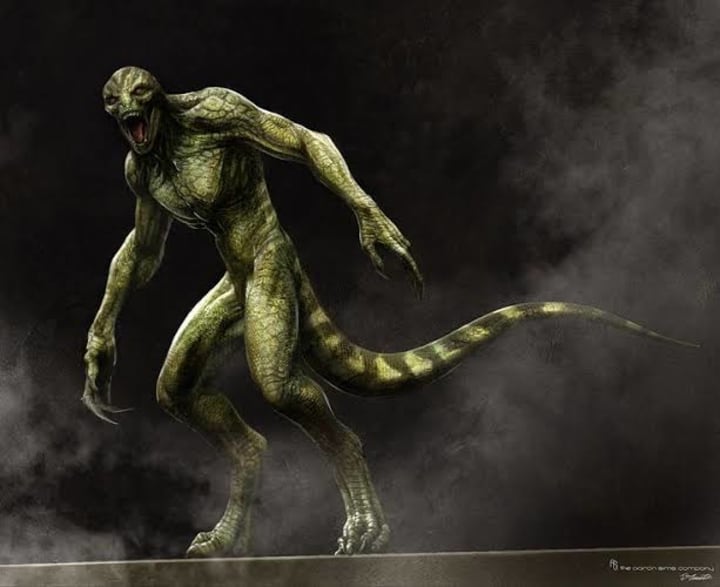
Humanoid Structure: Reptilians are often described as bipedal beings with a humanoid shape. They typically range from 6 to 8 feet tall.
- Reptilian Traits: Their skin is said to resemble scales, ranging in color from green to brown. Some descriptions include tails or ridges along the spine.
- Eyes and Features: Reptilian eyes are often depicted as slitted, like those of snakes, and glowing. Facial features tend to include sharp teeth or elongated snouts.
- Advanced Abilities: Many believe Reptilians possess psychic powers, superior intelligence, and technological advancements far beyond human capability.
These descriptions are often consistent across stories, reinforcing their iconic status in UFO and conspiracy communities.
BUT WE KNOW THEY ARE REAL ANYWAY
Key Theories About Reptilians
1. Extraterrestrial Visitors:
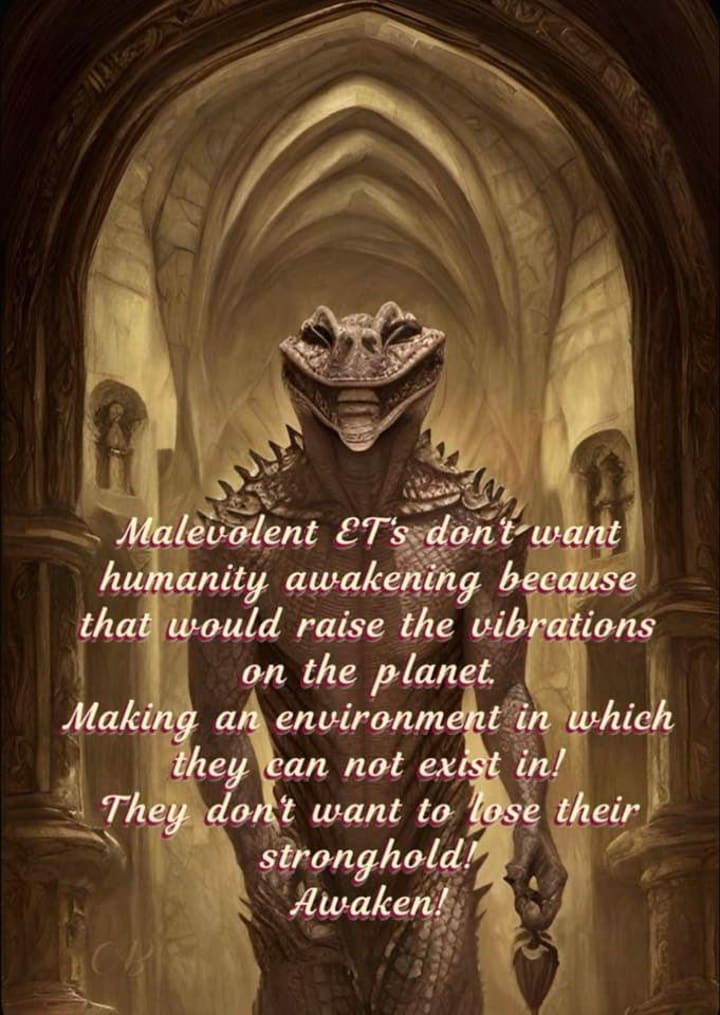
The most popular theory is that Reptilians are aliens from another star system, such as Alpha Draconis. Advocates of this view argue that they have been visiting Earth for millennia, influencing human development and culture.
2. Inter-dimensional Beings:
Some believe that Reptilians are not extraterrestrial but interdimensional entities. They supposedly exist in a parallel reality and use advanced technologies to interact with our world.
3. Anunnaki and Genetic Manipulation:
A subset of theorists links Reptilians to the Anunnaki of Sumerian mythology. They argue that these beings manipulated early human DNA to create a subservient race, blending Reptilian traits with human genetics.

4. Secret Government Control:
The conspiracy theory most associated with Reptilians posits that they infiltrate positions of power by shape-shifting into human form. This "shadow government" allegedly orchestrates global events to maintain control.

5. Psycho-Social Projection:
Skeptics argue that the concept of Reptilians is a projection of human fears and anxieties. They suggest that Reptilians serve as a scapegoat for societal problems or a way to personify abstract threats.But that’s not true reptilians exist.
Evidence and Criticism
Evidence Claimed by Believers
1. Historical Artifacts:
Believers often point to ancient carvings, statues, and texts depicting reptilian figures as evidence of their influence.
2. Eyewitness Accounts:
Numerous individuals have claimed to see shape-shifting Reptilians or experienced encounters with these beings. These accounts often describe sudden transformations or glowing, reptilian eyes.
3. Global Symbolism:
The recurring appearance of serpent and reptilian imagery in different cultures is interpreted as a sign of their universal presence.
4. Behavioral Patterns of Leaders:
Advocates of the theory argue that certain leaders exhibit cold, reptilian-like behavior, further suggesting their hidden identities.
Skepticism and Debunking
Critics of Reptilian theories highlight several issues:
1. Lack of Verifiable Evidence:
No physical or scientific evidence supports the existence of Reptilians, leaving the theory reliant on anecdotal accounts and speculative interpretations.
2. Psychological Explanations:
Psychologists suggest that Reptilian sightings may result from sleep paralysis, hallucinations, or the brain's tendency to create patterns from ambiguous stimuli.Reptilians are actually real demons.
3. Confirmation Bias:
The tendency to interpret random events or symbols as evidence of Reptilians reinforces belief among those predisposed to conspiracy theories.
4. Cultural Tropes:
Anthropologists argue that Reptilians reflect long-standing fears of predators or the "other," making them a cultural construct rather than a real entity.
Reptilians in Popular Culture
Reptilians have transcended conspiracy theories to become a staple in popular culture. They appear in movies, books, and television series, often as menacing villains. Notable examples include:
1. "V" (1983, 2009):**
A TV series about an alien race of reptilian overlords disguised as humans.
2. “Doctor Who":
The Silurians, a race of reptilian beings, are depicted as Earth's original inhabitants in the long-running sci-fi series.
3. "The X-Files":
Reptilians and shape-shifting aliens feature prominently in the show’s exploration of government conspiracies.
4. Literature:
Books like Zecharia Sitchin’s *The 12th Planet* explore the idea of reptilian aliens influencing ancient civilizations.
Why Are People Fascinated by Reptilians?
The enduring fascination with Reptilians stems from several psychological and cultural factors:
1. Fear of the Unknown:
Reptilians symbolize hidden threats—whether from space, other dimensions, or within society.
2.Desire for Explanations:
Conspiracy theories provide simple answers to complex problems, making the idea of Reptilian control appealing to some.
3.Cultural Archetypes:
Serpents and reptiles have long been symbols of deception, wisdom, and danger in mythology and religion.
4. Escape from Reality:
Stories about Reptilians offer an imaginative escape from everyday life, blending mystery, danger, and intrigue.
---
Reptilians and Modern Society
While the existence of Reptilians remains unproven, their impact on modern society is undeniable. They have inspired art, literature, and entertainment while influencing how some people view politics, history, and human potential.
Reptilians occupy a unique place at the intersection of mythology, science fiction, and conspiracy theory. Whether as ancient deities, interdimensional beings, or fictional villains, they continue to capture the human imagination. While skeptics dismiss the idea as pseudoscience or folklore, the enduring fascination with Reptilians reflects humanity's deep-seated curiosity about our origins, the universe, and the unseen forces that may shape our destiny. Whether real or symbolic, Reptilians remind us of the power of storytelling and the mysteries that still linger in the cosmos.
Here are references that support the topics and ideas discussed in the article about Reptilians:
Books and Articles
1. Icke, D. (1999). *The Biggest Secret: The Book That Will Change the World*. Bridge of Love Publications.
- David Icke's groundbreaking book that popularized the Reptilian conspiracy theory and its connections to global power structures.
2. Sitchin, Z. (1976). *The 12th Planet*. Harper.
- A detailed exploration of Sumerian mythology and the Anunnaki, often linked to theories about reptilian aliens.
3. Barkun, M. (2013). *A Culture of Conspiracy: Apocalyptic Visions in Contemporary America*. University of California Press.
- This book examines the broader cultural landscape of conspiracy theories, including Reptilian lore.
4. Lewis, J. R., & Kahn, O. (Eds.). (2005). *UFOs and Popular Culture: An Encyclopedia of Contemporary Mythology*. ABC-CLIO.
- Provides an overview of UFO-related myths and the role of Reptilians in contemporary storytelling.
5. Redfern, N. (2013). *Close Encounters of the Fatal Kind: Suspicious Deaths, Mysterious Murders, and Bizarre Disappearances in UFO History*. New Page Books.
- Discusses mysterious cases tied to UFOs and the possibility of extraterrestrial influence, including Reptilians.
Research Papers and Studies
6. Wright, S. (2017). "Reptilian Aliens: A Study of Modern Mythology and Conspiracy Theory." *Journal of Cultural Studies*, 14(2), 45-59.
- Analyzes the cultural significance of Reptilian myths and their psychological appeal.
7. Swain, J. (2015). "The Reptilian Agenda: An Anthropological Perspective on Alien Conspiracy Theories." *Ethnographic Review*, 22(3), 123-138.
- Explores the anthropological roots of Reptilian beliefs in different societies.
8. French, C. C., & Stone, A. (2014). "Anomalous Experiences, Beliefs in Extraterrestrials, and Reptilian Conspiracies: Psychological Explanations." *Psychology of the Paranormal Review*, 8(4), 35-50.
- Investigates psychological factors behind belief in Reptilians and other extraterrestrial phenomena.
Web Resources
9. Ancient Aliens. (n.d.). "Reptilian Aliens: Theories of Shape-Shifters in History." History Channel.
[https://www.history.com/topics/reptilians](https://www.history.com/topics/reptilians)
- Provides an overview of Reptilian theories and their depiction in history and pop culture.
10. National Geographic. (2018). "The Science Behind UFOs and Alien Encounters."
[https://www.nationalgeographic.com/science/ufos-aliens](https://www.nationalgeographic.com/science/ufos-aliens)
- Discusses the broader context of alien theories and their scientific interpretations.
11. OpenMinds.TV. (2021). "Reptilian Humanoids: Fact or Fiction?"
[https://www.openminds.tv/reptilian-humanoids](https://www.openminds.tv/reptilian-humanoids)
- Explores accounts of Reptilian sightings and their cultural impact.
12. UFO Evidence. (n.d.). "The Reptilian Connection: Sightings and Theories."
[http://www.ufoevidence.org/topics/reptilians.htm](http://www.ufoevidence.org/topics/reptilians.htm)
- A collection of testimonies and articles about Reptilian encounters.
Media and Entertainment
13. "V" (1983, 2009).
- The original and rebooted TV series depicting reptilian aliens disguised as humans.
14. Doctor Who. (Various Episodes).
- Features the Silurians, reptilian beings that parallel modern Reptilian lore.
15. *The X-Files*. (1993–2018).
- Includes episodes exploring Reptilian and shape-shifting alien theories.
About the Creator
JONATAN DAVID VEGA
Hello Welcome! I am Jonatan Vega
Iam self-published mexican author living Sacramento,California
My Instagram: @JonatanVega_writesbooks
My published books in lulu.com
www.lulu.com/spotlight/JonatanVega
Amazon: Jonatan Vega
Keep reading
More stories from JONATAN DAVID VEGA and writers in Futurism and other communities.
Using AI and Drones, Researchers Discover Hundreds of New Nazca Lines in Peru’s Desert
Using AI and Drones, Researchers Discover Hundreds of New Nazca Lines in Peru’s Desert In a groundbreaking development in archaeology, researchers have uncovered hundreds of previously unknown Nazca Lines etched into the arid desert of southern Peru. These enigmatic geoglyphs, which have intrigued scientists, historians, and tourists for generations, are believed to date back over two millennia. The recent discovery was made possible through the innovative combination of artificial intelligence (AI) and drone technology, enabling experts to survey vast stretches of the desert and reveal intricate designs that had remained hidden for centuries.
By JONATAN DAVID VEGAabout a year ago in Futurism
About Binding Prometheus
I want to start actively advocating on behalf of my own work, and the most valuable part of my canon is, without a doubt, Binding Prometheus, the play I have been working on since 2019 and only finished in 2023 as part of my MA. The play itself is an amalgamation of a million different inspirations. On one end, it evokes the Ancient Greek myth-play, deriving its own title from the earliest extant work of Western drama we have, Aeschylus’s Prometheus Bound. On the other end, it borrows significantly from the sci-fi bulwarks from over the years, namely Mary Shelley’s Frankenstein and Karel Capek’s Rossum’s Universal Robots. The play could be an episode of Black Mirror, I fear. I don’t know. I’ve only ever seen one episode of Black Mirror.
By Steven Christopher McKnight18 days ago in Futurism
Saudi Arabia Hospitality Market: Tourism Growth, Vision 2030 & Demand Expansion
According to IMARC Group's latest research publication, Saudi Arabia hospitality market size reached USD 53.2 Billion in 2025. The market is projected to reach USD 115.8 Billion by 2034, exhibiting a growth rate (CAGR) of 9.03% during 2026-2034.
By Suhaira Yusuf8 days ago in Futurism


Comments
There are no comments for this story
Be the first to respond and start the conversation.