
The AI Takeover: How Artificial Intelligence is Reshaping Our Life
Artificial Intelligence Is No Longer Just a Concept but Is Actively Reshaping Our Lives, From Work to Daily Routines, in Profound Ways.

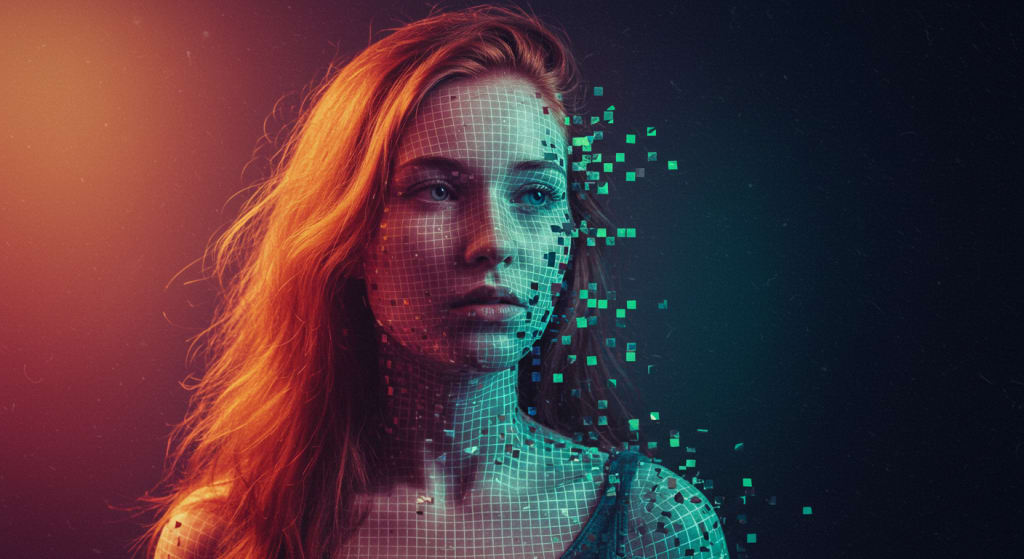
Artificial intelligence is no longer a distant concept from science fiction movies. It's embedded in our smartphones, powering our search results, recommending our entertainment, and even driving our cars. This invisible yet indispensable technology is fundamentally transforming how we live, work, and interact with the world around us. In this article, we'll explore the profound impact of AI on our everyday existence, examining both the incredible opportunities and legitimate concerns as we navigate this AI-driven future. Whether you're a tech enthusiast or someone who's just beginning to notice the AI revolution happening around you, understanding this transformation is crucial for anyone living in 2025.
How Has AI Already Infiltrated Our Everyday Lives?
The integration of AI into our daily lives has been so gradual that many of us barely notice its presence. From the moment we wake up, AI algorithms are hard at work, personalizing our news feeds, suggesting our breakfast recipes, and optimizing our commute routes. Smart home devices powered by AI adjust our thermostats, manage our energy consumption, and even anticipate our needs before we articulate them.
These AI systems operate silently in the background, collecting vast amounts of data about our preferences, behaviors, and patterns. Machine learning allows these systems to improve over time, becoming more accurate and helpful with each interaction. What once seemed like science fiction—machines that can learn and adapt—is now an unremarkable part of our daily routine.
The AI takeover of our homes and personal devices represents just the beginning of a much larger transformation. As AI continues to evolve, its presence will only become more pervasive and influential in shaping how we navigate the world.
What Makes 2025's AI Different From Previous Technology Revolutions?
Unlike previous technological advancements, the AI revolution of 2025 is characterized by systems that can learn, reason, and make autonomous decisions. Traditional software follows pre-programmed instructions, but modern AI agents can adapt to new situations, recognize patterns humans might miss, and even create original content through generative AI capabilities.
The neural network architectures that power today's AI models allow for unprecedented levels of understanding and responsiveness. Natural language processing has advanced to the point where AI can comprehend context, emotion, and nuance in human communication. This level of sophistication enables AI to handle complex tasks that previously required human intelligence.
Another distinguishing feature of the current AI landscape is its accessibility. Advanced AI tools that once required massive computing resources and specialized knowledge are now available to small businesses and individual users. This democratization of AI technology has accelerated its adoption across sectors like healthcare, education, finance, and entertainment, making its impact far broader than previous technological revolutions.
Is AI Actually Making Our Lives Better or Just More Complicated?
The promise of AI is to automate tedious tasks, enhance our capabilities, and unlock new possibilities. In many ways, AI delivers on this promise. Medical AI systems can detect diseases earlier and more accurately than human doctors. AI-powered educational tools adapt to individual learning styles. Virtual assistants help us manage our increasingly complex digital lives.
However, our growing dependency on AI also introduces new complications. When AI systems make mistakes—as they inevitably do—the consequences can be significant. Moreover, the algorithmic nature of these systems can sometimes make them opaque and difficult to understand or challenge when they produce undesirable outcomes.
There's also the concern that as we delegate more decisions to AI, we may lose important skills and agency. The technological determinism that comes with widespread AI adoption raises questions about who ultimately controls these systems and whether they truly serve our best interests or simply optimize for metrics that benefit the AI companies that create them.
How Is AI Transforming The Modern Workplace?
The impact of AI on work environments has been profound. Routine tasks across industries are being automated at an unprecedented rate. AI systems can now handle everything from data entry and document processing to customer service interactions and basic content creation. This automation has eliminated some jobs while fundamentally changing the nature of others.
At the same time, AI is creating new opportunities. Workers who can effectively work alongside AI tools often find themselves more productive and capable of tackling more complex and creative challenges. The rise of AI has also spawned entirely new career paths focused on developing, maintaining, and governing these systems.
The AI-driven transformation of work raises important questions about the future of employment. Will AI primarily enhance human capabilities or replace them? How can workers adapt to this rapidly changing landscape? And how can we ensure that the economic benefits of AI advancement are broadly shared rather than concentrated in the hands of a few technology companies?
What Are The Ethical Considerations As AI Becomes More Powerful?
As AI systems gain more autonomy and influence, ethical concerns become increasingly pressing. Issues of bias in AI algorithms have already emerged as a significant problem, with systems sometimes perpetuating or amplifying existing societal prejudices. The use of AI in sensitive domains like criminal justice, hiring, and loan approval has raised serious questions about fairness and accountability.
Privacy represents another major ethical challenge. The data hunger of machine learning systems means they often collect and process enormous amounts of personal information. How this data is used, who has access to it, and what control individuals have over their information are all critical questions that society is still grappling with.
Perhaps most profound are the questions surrounding AI alignment—ensuring that increasingly powerful AI systems remain aligned with human values and interests. As AI continues to evolve toward greater capabilities, the challenge of creating AI that reliably acts in accordance with human welfare becomes increasingly important.
How Is OpenAI Shaping The Future Of AI?
OpenAI has emerged as one of the most influential players in the AI industry. Their AI models, particularly in the realm of natural language processing, have set new standards for what's possible in human-AI interaction. The company's research initiatives have pushed the boundaries of AI capabilities while also raising awareness about the importance of responsible AI development.
The organization's dual mission—advancing AI technology while ensuring it benefits humanity broadly—represents an important approach to navigating the complex challenges of AI progress. Their work on AI safety and alignment has helped frame crucial discussions about how to prevent AI systems from causing unintended harm.
However, OpenAI's growing commercial presence has also raised questions about the tension between profit motives and the original mission of ensuring AI benefits humanity. Their trajectory illustrates the broader challenges facing the AI industry as it balances innovation with responsibility.
Can We Trust AI Agents To Make Important Decisions?
As AI agents become more capable, they're increasingly being deployed in contexts where they make or influence significant decisions. Autonomous vehicles make split-second judgments that can have life-or-death consequences. AI systems evaluate loan applications, recommend medical treatments, and help judges determine criminal sentences.
The question of whether we can—or should—trust these systems depends on several factors. Transparency is crucial: can we understand how and why an AI reached a particular decision? Accountability matters too: who is responsible when an AI system makes a harmful mistake? And robustness is essential: how reliably does the system perform across different scenarios and edge cases?
Building trustworthy AI requires not just technical solutions but also appropriate governance frameworks, clear lines of accountability, and mechanisms for human oversight. As AI agents become more powerful, the question of trust becomes increasingly central to how we integrate these systems into our society.
How Are AI-Generated Content And Media Reshaping The World?
The emergence of sophisticated AI-generated content—from text and images to music and video—represents one of the most visible manifestations of the AI takeover. These generative AI tools are transforming creative industries, enabling new forms of expression while also raising questions about authenticity and attribution.
For creators, AI-powered tools can serve as powerful collaborators, helping to overcome creative blocks, explore new possibilities, and automate technical aspects of production. For consumers, AI-generated content offers unprecedented personalization, with entertainment and information tailored to individual preferences in real-time.
Yet this transformation also brings challenges. The flood of AI-generated content may make it increasingly difficult to distinguish authentic human expression from machine-produced material. Questions of copyright, creative ownership, and the economic impact on human creators remain largely unresolved as we navigate this rapidly evolving landscape.
Will Human-AI Coexistence Lead To A Better World?
The relationship between humans and AI will largely determine whether the AI takeover leads to positive outcomes. Rather than viewing AI as a magical solution to all problems or an existential threat, a more nuanced understanding recognizes this technology's potential benefits and risks.
Successful human-AI coexistence requires thoughtful design of AI systems that complement human strengths rather than simply replacing human roles. It demands an education that prepares people to effectively utilize AI tools while maintaining critical thinking skills. And it necessitates inclusive governance structures that ensure AI development serves broad human interests rather than narrow commercial or political agendas.
The most promising vision of human-AI coexistence sees AI as a tool that enhances our lives while preserving human agency and dignity. In this vision, AI handles repetitive, dangerous, or computationally intensive tasks, freeing humans to focus on creative, emotional, and ethical dimensions of life that remain uniquely human.
What Can We Do To Ensure AI Serves Humanity's Best Interests?
As AI continues to reshape our world, active engagement with its development and deployment becomes increasingly important. At an individual level, this means developing AI literacy—understanding what these systems can and cannot do, recognizing their limitations, and learning to use them effectively while maintaining critical awareness.
At a societal level, we need robust governance frameworks that promote beneficial AI while mitigating risks. This includes standards for transparency and accountability, mechanisms to address bias and discrimination, and approaches to ensuring that the economic benefits of AI advancement are broadly shared.
Perhaps most fundamentally, we need ongoing public dialogue about what kind of future we want and how AI can help us achieve it. The AI takeover is not an inevitability that happens to us; it's a process we have the power to shape. By actively engaging with questions of AI development and deployment, we can work to ensure that this powerful technology enhances rather than diminishes human flourishing.
Key Takeaways: Navigating the AI Takeover
- AI is already deeply integrated into our daily lives, often operating invisibly through the devices and services we use every day.
- The current wave of AI technology is distinctive for its ability to learn, adapt, and make autonomous decisions in complex environments.
- AI is transforming work by automating routine tasks while creating new opportunities for human-AI collaboration.
- Ethical considerations—including bias, privacy, and alignment with human values—are central to responsible AI development.
- Building trustworthy AI systems requires transparency, accountability, and appropriate human oversight.
- AI-generated content is reshaping creative industries and raising new questions about authenticity and attribution.
- The future of human-AI coexistence depends on designing systems that complement human capabilities rather than simply replacing them.
- Active engagement with AI governance and development is essential to ensure this technology serves humanity's best interests.
- AI literacy—understanding both the capabilities and limitations of these systems—is becoming an essential skill for everyone.
- The AI takeover is not predetermined; how we collectively shape and direct this technology will determine whether it leads to a better world.
About the Creator
David Heisenberg
I am the one who writes. Call me Heisenberg. I trade in secrets—AI’s edge, crypto’s chaos, the games we play, the markets we bend. No rules, no limits. You’re in my world now. Say my name.
Keep reading
More stories from David Heisenberg and writers in Futurism and other communities.
Top AI-Driven Digital Marketing Trends to Watch in 2025
In a world where consumer attention is increasingly fragmented, what will separate successful marketers from the rest in 2025? The answer lies at the intersection of artificial intelligence and human creativity. As we move into 2025, the marketing landscape is undergoing a seismic shift. AI is no longer just a buzzword but a fundamental force reshaping how brands connect with their audiences. According to recent industry forecasts, over 85% of marketing teams will incorporate some form of AI into their strategies by 2025—yet many are still unprepared for the depth of transformation ahead.
By David Heisenberg10 months ago in Futurism
About Binding Prometheus
I want to start actively advocating on behalf of my own work, and the most valuable part of my canon is, without a doubt, Binding Prometheus, the play I have been working on since 2019 and only finished in 2023 as part of my MA. The play itself is an amalgamation of a million different inspirations. On one end, it evokes the Ancient Greek myth-play, deriving its own title from the earliest extant work of Western drama we have, Aeschylus’s Prometheus Bound. On the other end, it borrows significantly from the sci-fi bulwarks from over the years, namely Mary Shelley’s Frankenstein and Karel Capek’s Rossum’s Universal Robots. The play could be an episode of Black Mirror, I fear. I don’t know. I’ve only ever seen one episode of Black Mirror.
By Steven Christopher McKnight20 days ago in Futurism
Biosensors Market: Electrochemical Sensors, High Sensitivity Detection & Analytical Accuracy
According to IMARC Group's latest research publication, global biosensors market size reached USD 30.9 Billion in 2024. Looking forward, IMARC Group expects the market to reach USD 57.0 Billion by 2033, exhibiting a growth rate (CAGR) of 6.97% during 2025-2033.
By sujeet. imarcgroupa day ago in Futurism


Comments (2)
Ai will take over the world eventually! Great work!
Nice work ! What was your trigger for writing this ? 🏆