
Harnessing the Power of Renewable Energy
Reducing Carbon Footprint for a Sustainable Future

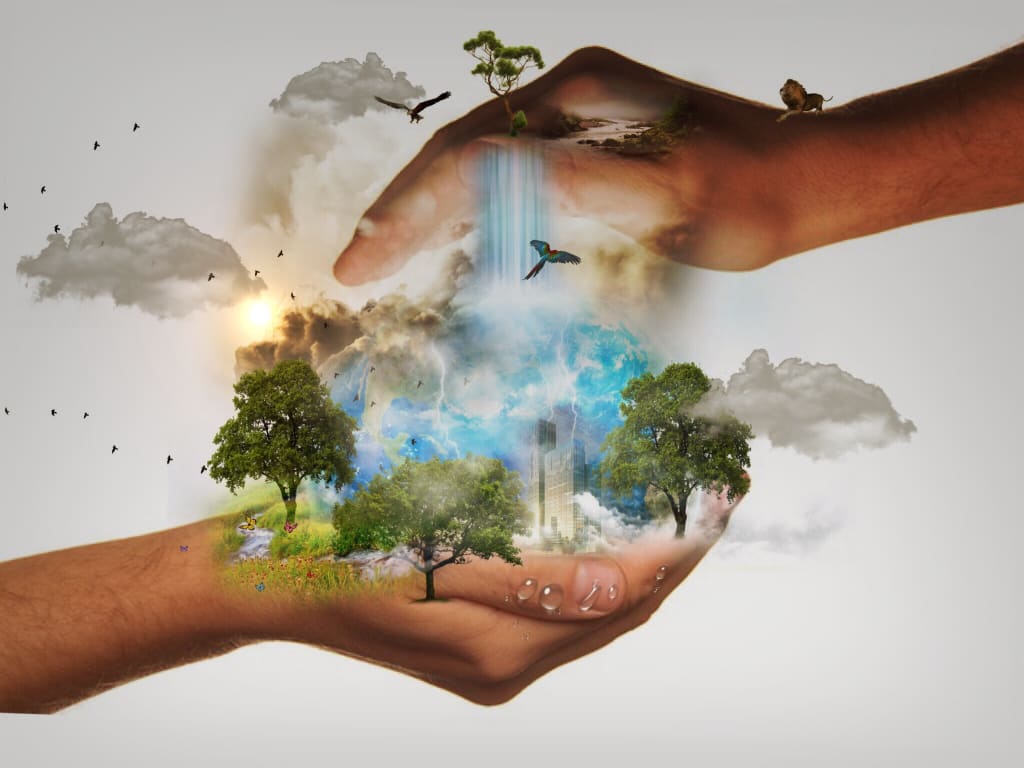
The pressing need to address climate change has brought renewable energy sources to the forefront of the global energy transition. As the world strives to reduce carbon emissions and transition away from fossil fuels, renewable energy technologies offer a viable solution. In this blog, we will delve into the various types of renewable energy sources and explore their critical role in reducing carbon footprints and building a sustainable future.
1. Solar Power: Capturing Energy from the Sun
Solar power harnesses the sun's abundant energy through photovoltaic (PV) panels or concentrated solar power (CSP) systems. PV panels convert sunlight directly into electricity, while CSP systems use mirrors or lenses to concentrate solar radiation, generating heat to power turbines. Solar power is a clean and sustainable energy source that produces no greenhouse gas emissions during operation. By integrating solar power into our energy mix, we can significantly reduce our reliance on fossil fuels and mitigate the carbon footprint associated with electricity generation.
2. Wind Power: Tapping into Nature's Gusts
Wind power harnesses the kinetic energy of the wind through wind turbines to generate electricity. As the wind passes through the turbine blades, it causes them to rotate, driving a generator that produces electricity. Wind power is a mature and rapidly growing renewable energy source with no direct emissions of greenhouse gases during operation. By expanding wind energy infrastructure, we can displace conventional power generation from fossil fuels, thereby reducing carbon emissions and air pollution.
3. Hydropower: The Force of Flowing Water
Hydropower utilizes the gravitational force of flowing water to generate electricity. It involves building dams or utilizing river currents and tides to drive turbines. Hydropower is a reliable and cost-effective renewable energy source, providing a steady supply of electricity. Large-scale hydropower projects can contribute to carbon reduction by displacing fossil fuel-based power generation. However, it is essential to balance the environmental impact of dams and ensure sustainable management of river ecosystems.
4. Biomass: Energy from Organic Matter
Biomass energy involves utilizing organic matter such as wood, agricultural residues, or dedicated energy crops to produce heat, electricity, or biofuels. Biomass can be burned directly or converted into biogas or biofuels through processes like anaerobic digestion or pyrolysis. While biomass is considered a renewable energy source, it must be sourced sustainably to avoid deforestation or competing with food production. When managed properly, biomass can provide a carbon-neutral energy alternative by recycling carbon dioxide released during combustion through the growth of new biomass feedstock.
5. Geothermal Energy: Tapping into Earth's Heat
Geothermal energy utilizes the Earth's internal heat to generate electricity or provide direct heating and cooling. It involves tapping into hot water or steam reservoirs deep underground, which is then used to drive turbines. Geothermal energy is a reliable and constant renewable energy source, producing minimal greenhouse gas emissions. It can significantly contribute to reducing carbon footprints by displacing fossil fuel-based heating and cooling systems.
Conclusion:
Renewable energy sources have a pivotal role to play in reducing carbon footprints and mitigating the impacts of climate change. Solar power, wind power, hydropower, biomass, and geothermal energy provide clean and sustainable alternatives to fossil fuels. By transitioning our energy systems to rely more heavily on renewable sources, we can reduce greenhouse gas emissions, improve air quality, and promote a more sustainable and resilient future. Governments, businesses, and individuals must collaborate to accelerate the adoption of renewable energy technologies, invest in research and development, and create supportive policies that foster the growth of these transformative solutions. Together, we can usher in a future powered by clean, renewable energy and pave the way towards a carbon-neutral society.
About the Creator
Taj Padda
Hello, I'm Taj, an avid writer and knowledge enthusiast.
About Binding Prometheus
I want to start actively advocating on behalf of my own work, and the most valuable part of my canon is, without a doubt, Binding Prometheus, the play I have been working on since 2019 and only finished in 2023 as part of my MA. The play itself is an amalgamation of a million different inspirations. On one end, it evokes the Ancient Greek myth-play, deriving its own title from the earliest extant work of Western drama we have, Aeschylus’s Prometheus Bound. On the other end, it borrows significantly from the sci-fi bulwarks from over the years, namely Mary Shelley’s Frankenstein and Karel Capek’s Rossum’s Universal Robots. The play could be an episode of Black Mirror, I fear. I don’t know. I’ve only ever seen one episode of Black Mirror.
By Steven Christopher McKnight17 days ago in Futurism




Comments
There are no comments for this story
Be the first to respond and start the conversation.