
Fungicides Market: Precision Agriculture, Yield Protection & Market Opportunities
How precision agriculture, digital farming tools, and targeted application methods are influencing fungicide usage

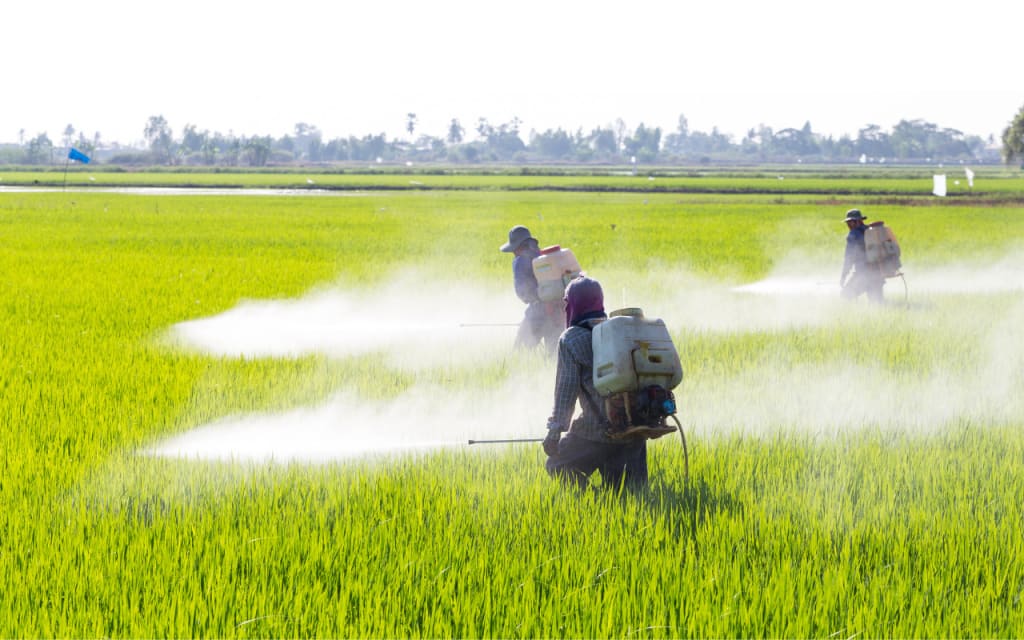
According to IMARC Group's latest research publication, global fungicides market size reached USD 20.5 Billion in 2024. Looking forward, IMARC Group expects the market to reach USD 29.3 Billion by 2033, exhibiting a growth rate (CAGR) of 4.02% during 2025-2033.
How AI is Reshaping the Future of Fungicides Market
- AI-Powered Disease Detection and Early Warning Systems: Machine learning algorithms analyze plant images from drones and sensors to detect fungal infections 7-10 days before visible symptoms appear, enabling targeted fungicide application and reducing crop losses by approximately 30%.
- Precision Application and Dosage Optimization: AI-driven smart sprayers identify disease hotspots in real-time, applying fungicides only where needed. This targeted approach achieves chemical savings of 50-60%, minimizing environmental impact while maintaining effective disease control across cereals, fruits, and vegetable crops.
- Accelerated Fungicide Discovery Through Computational Modeling: Companies like Bayer use AI platform CropKey to virtually test thousands of crop protection molecules, completing what previously took 5-6 years in just 4 months, bringing novel fungicides for fruits, vegetables, and broadacre crops to market within a decade.
- Predictive Analytics for Disease Outbreak Forecasting: AI systems analyze weather patterns, humidity levels, historical disease data, and soil conditions to predict fungal outbreak risks with 85-90% accuracy, enabling proactive fungicide deployment and reducing emergency applications by 40% during high-risk periods.
- Development of Bio-Based Fungicides Using AI Design: Researchers leverage computational models to design non-toxic, biodegradable biomolecules that destroy fungi without environmental harm. AI accelerates the identification of effective bio-fungicide candidates, supporting sustainable agriculture and reducing reliance on chemical alternatives.
Global fungicide adoption is accelerating as farmers face mounting pressure from climate-driven fungal outbreaks and stringent food security demands. Government support programs are critical enablers—China allocated USD 287 million in agricultural disaster prevention relief specifically supporting fungicide spraying operations on maize, soybeans, and rice across 16 provinces. The U.S. provided USD 10 billion through the Emergency Commodity Assistance Program to help producers manage rising input costs, including crop protection products. India's fertilizer subsidy framework, which allocated USD 22.7 billion, indirectly supports fungicide procurement through integrated pest management initiatives. Meanwhile, precision agriculture is reshaping application methods, with the global precision agriculture sector projected to reach USD 21.47 Billion, driving demand for targeted fungicide solutions that minimize waste and environmental impact.
Get the Free Sample PDF of the “Fungicides Market” Industry Report
Fungicides Market Trends & Drivers
Climate change is fundamentally altering disease pressure across agricultural regions, creating ideal conditions for fungal proliferation through unpredictable rainfall, increased humidity, and warmer temperatures. Farmers are experiencing unprecedented fungal outbreaks in crops like wheat, rice, corn, and potatoes, with yield losses escalating annually despite traditional control measures. The emergence of resistant fungal strains resistant to conventional treatments is forcing producers to adopt newer, more effective fungicide chemistries. Government agencies in major agricultural economies are implementing mandatory disease surveillance programs and allocating disaster relief funds—China alone distributed USD 287 million across 16 provinces for fungicide spraying operations on autumn grain crops. This climate-driven disease pressure, combined with the global population reaching 8.2 billion individuals demanding higher food production, is making fungicides indispensable for maintaining crop productivity and ensuring stable food supplies across seasons.
The expansion of precision agriculture technologies is revolutionizing fungicide application practices and driving market growth. Farmers are rapidly adopting drone-based monitoring systems, IoT sensors, and AI-powered disease detection tools that enable real-time crop health assessment. Smart spraying systems equipped with computer vision can identify disease hotspots and apply fungicides with precision, achieving chemical savings of 50-60% compared to blanket applications. John Deere's See & Spray Premium technology, now available on model-year Hagie STS sprayers, can potentially reduce postemergence fungicide use by over 50% through selective targeting. The precision agriculture market, valued at approximately USD 21.47 billion with projected growth to 2033, is creating strong demand for liquid fungicide formulations that work seamlessly with advanced spraying equipment. This shift toward data-driven farming is making fungicides more cost-effective and environmentally sustainable while improving disease control outcomes.
Rising investments in agricultural research and development are accelerating fungicide innovation and market expansion. The USDA allocated USD 424 million for agricultural climate mitigation R&D, with significant portions directed toward developing disease-resistant crops and next-generation fungicides. Major agrochemical companies are leveraging AI and machine learning to compress fungicide discovery timelines—Bayer's CropKey platform enables virtual testing of thousands of molecules, reducing development cycles from 5-6 years to just 4 months. This R&D surge is yielding breakthrough products like BASF's Adapzo Active (Flufenoxadiazam), the industry's first histone deacetylase inhibitor fungicide for Asian Soybean Rust control. Companies are also developing bio-based alternatives using computational models to design biodegradable biomolecules that combat fungi without environmental harm. The convergence of biotechnology, genomics, and AI is enabling manufacturers to offer farmers scientifically advanced solutions that address resistance management, reduce chemical loads, and deliver superior crop protection across diverse agricultural systems.
Leading Companies Operating in the Fungicides Industry:
- American Vanguard Corporation
- Atticus, LLC
- BASF SE
- Bayer AG
- Botano Health
- Corteva Inc.
- FMC Corporation
- Isagro SpA (Gowan Company LLC)
- Marrone Bio Innovations Inc
- Nufarm Limited
- Sumitomo Chemical Co. Ltd.
- Syngenta AG
- Terramera Inc
- UPL Limited
Fungicides Market Report Segmentation:
By Type:
- Chemical
- Triazoles
- Strobilurins
- Dithiocarbamates
- Chloronitriles
- Phenylamides
- Others
- Biological
- Microbials
- Microchemical
- Macrobials
Chemical fungicides dominate due to their proven efficacy, broad-spectrum action, and cost-effectiveness, while biological alternatives gain traction with rising sustainability concerns.
By Form:
- Liquid
- Suspension Concentrates (SC)
- Emulsifiable Concentrates (EC)
- Soluble Liquid Flowables (SLC)
- Dry
- Water Dispersible Granules (WDG)
- Wettable Powder (WP)
Liquid formulations lead the market owing to their ease of application, uniform coverage, and rapid disease control, making them a farmer favorite.
By Crop type:
- Cereals and Grains
- Corn
- Wheat
- Rice
- Others
- Oilseeds and Pulses
- Soybean
- Cotton
- Others
- Fruits and Vegetables
- Apple
- Pears
- Cucumber
- Potatoes
- Grapes
- Others
- Others
Cereals and grains hold the largest share as staple crops vulnerable to fungal diseases, driving high fungicide demand to ensure food security.
By Mode of Action:
- Contact
- Systemic
Contact fungicides remain dominant for their immediate, surface-level protection and cost-efficient role in preventing fungal outbreaks.
By Application:
- Seed Treatment
- Soil Treatment
- Foliar Spray
- Chemigation
- Post-Harvest
Seed treatment leads as a targeted, economical, and sustainable method, ensuring early disease protection with minimal chemical use.
Regional Insights:
- North America (United States, Canada)
- Asia Pacific (China, Japan, India, South Korea, Australia, Indonesia, Others)
- Europe (Germany, France, United Kingdom, Italy, Spain, Russia, Others)
- Latin America (Brazil, Mexico, Others)
- Middle East and Africa
Asia-Pacific tops the market due to high agricultural output, diverse crop cultivation, and increasing need for yield protection.
Recent News and Developments in Fungicides Market
- June 2025: BASF initiated the registration process for its novel fungicide Adapzo® Active (Flufenoxadiazam) in Brazil and Paraguay. This breakthrough product represents the industry's first histone deacetylase (HDAC) inhibitor fungicide, offering exceptional control of Asian Soybean Rust, a devastating disease affecting soybean production across South America.
- June 2025: Corteva announced the upcoming launch of Forcivo™ fungicide, featuring three potent active ingredients—flutriafol, azoxystrobin, and fluindapyr—designed to combat foliar diseases in corn and soybeans. The product provides both preventive and curative protection against tar spot, southern rust, and frogeye leaf spot.
- March 2025: ADAMA US launched Maxentis™ SC, an innovative fungicide combining prothioconazole and azoxystrobin into a single, easy-to-use formulation. The product offers corn, soybean, and wheat producers enhanced protection against tar spot, frogeye leaf spot, and other critical foliar diseases while improving overall plant health.
- September 2024: FMC Corporation introduced three innovative crop protection products in India, including Velzo® fungicide specifically designed to combat Oomycete infections in grapes, tomatoes, and potatoes. The product targets Downy mildew, a persistent challenge for grape farmers in Maharashtra and Karnataka.
- August 2024: Syngenta India unveiled two advanced crop protection solutions: Miravis Duo and Reflect Top. Miravis Duo, utilizing ADEPIDYN technology, provides outstanding management of powdery mildew, anthracnose, and leaf spots on tomato, chili, groundnut, and grape crops, transforming disease control standards across Indian agriculture.
- July 2024: GSP Crop Science, an Indian agrochemical manufacturer, released ELEMENT, a comprehensive fungicide offering robust defense against multiple fungal diseases. The product was specifically developed to meet the requirements of the local agricultural sector and support farmers in maintaining crop health and productivity.
Note: If you require specific details, data, or insights that are not currently included in the scope of this report, we are happy to accommodate your request. As part of our customization service, we will gather and provide the additional information you need, tailored to your specific requirements. Please let us know your exact needs, and we will ensure the report is updated accordingly to meet your expectations.
About the Creator
Andrew Sullivan
Hello, I’m Andrew Sullivan. I have over 9+ years of experience as a market research specialist.
Keep reading
More stories from Andrew Sullivan and writers in Futurism and other communities.
LNG Bunkering Market: Maritime Decarbonization, Cost Efficiency & Industry Dynamics
According to IMARC Group's latest research publication, global LNG bunkering market size was valued at USD 3.17 Billion in 2024. Looking forward, IMARC Group expects the market to reach USD 5.71 Billion by 2033, exhibiting a growth rate of 6.40% during 2025-2033.
By Andrew Sullivanabout 21 hours ago in Futurism
About Binding Prometheus
I want to start actively advocating on behalf of my own work, and the most valuable part of my canon is, without a doubt, Binding Prometheus, the play I have been working on since 2019 and only finished in 2023 as part of my MA. The play itself is an amalgamation of a million different inspirations. On one end, it evokes the Ancient Greek myth-play, deriving its own title from the earliest extant work of Western drama we have, Aeschylus’s Prometheus Bound. On the other end, it borrows significantly from the sci-fi bulwarks from over the years, namely Mary Shelley’s Frankenstein and Karel Capek’s Rossum’s Universal Robots. The play could be an episode of Black Mirror, I fear. I don’t know. I’ve only ever seen one episode of Black Mirror.
By Steven Christopher McKnight19 days ago in Futurism



Comments
There are no comments for this story
Be the first to respond and start the conversation.