
Are Concerns About AI Exaggerated
Michio Kaku Theoretical Physicist Describes Chatbots as 'Enhanced Recordkeepers'
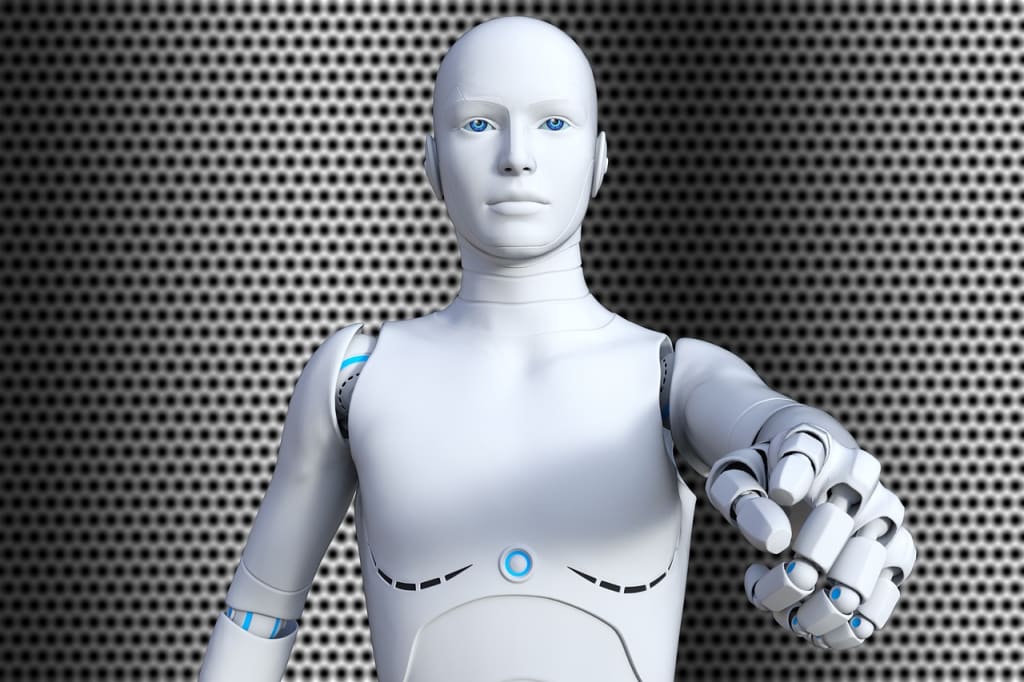
Are Concerns About AI Exaggerated
Michio Kaku, a renowned theoretical physicist, has challenged the prevailing apprehension surrounding emerging AI technology, asserting that public concerns are largely unfounded. In a recent conversation with CNN's Fareed Zakaria, Kaku emphasized that the societal impact of AI, exemplified by chatbots like OpenAI's ChatGPT, is poised to be positive and productivity-enhancing. He criticized the prevailing narrative that predominantly fixates on the negative aspects of such programs, characterizing them as "enhanced recorders."
Kaku elucidated that ChatGPT, as an illustration, amalgamates fragments of human-generated web content and assembles them into coherent outputs, a process sometimes misinterpreted as autonomous creation. This has led to an unfounded astonishment among individuals who perceive the output as indistinguishable from human origination.
However, Kaku articulated that chatbots possess an inherent limitation — the inability to differentiate veracity from falsehood. This crucial discernment, he emphasized, necessitates human intervention.Michio Kaku elaborated on the progression of computer evolution, noting that humanity is currently situated within its second phase. The initial stage, which he referred to as the analog era, encompassed computations utilizing rudimentary tools such as sticks, stones, gears, and pulleys.
Advancing to the era around World War II, Kaku highlighted the transition to electricity-powered transistors, a pivotal development that facilitated the emergence of microchips and laid the foundation for the contemporary digital landscape.
However, this digital landscape's foundation is rooted in a binary system, characterized by two distinct states: "on" and "off," signified by zeros and ones. Kaku intriguingly remarked that this binary framework, while functional, differs from the intricate processes observed in nature.
Illustrating this contrast, Kaku emphasized that nature's computations transcend binary digits, instead operating through electrons and electron waves. These waves intricately orchestrate the formation of molecules. It is this nuanced perspective that propels humanity into what Kaku terms as the third stage of computer evolution.He envisions the forthcoming technological phase to unfold within the realm of quantum mechanics.
Quantum computing
Quantum computing, a nascent innovation, harnesses the diverse states of particles like electrons to significantly amplify a computer's computational capabilities. Unlike conventional computer chips, which rely on a binary state, quantum computers exploit the myriad states of vibrating waves. This empowers them to swiftly analyze and resolve intricate problems far more expeditiously than traditional computers.
Numerous tech giants, including IBM, Microsoft, Google, and Amazon, are actively pioneering their own quantum computing endeavors. They have extended access to their quantum technologies through cloud services to numerous enterprises. These advanced computers hold the potential to benefit businesses in domains such as risk assessment, supply chain management, and machine learning.
However, transcending business-oriented applications, Kaku pointed out that quantum computing could profoundly impact healthcare advancements. He accentuated that diseases like cancer, Parkinson's, and Alzheimer's manifest at the molecular level. Overcoming these diseases demands a grasp of nature's language, one intricately woven with molecules and quantum electrons. Quantum computing could potentially unlock insights that lead to breakthroughs in treating these ailments.
Potential Concerns of Artificial Intelligence
Artificial Intelligence (AI) has witnessed remarkable advancements in recent years, transforming various aspects of our lives. However, as AI continues to progress, it brings with it a range of potential concerns that need careful consideration. While AI holds immense promise, addressing its possible negative consequences is essential to ensure its responsible and ethical deployment.
1. Loss of Jobs and Economic Disruption:
One of the primary concerns associated with AI is the potential displacement of human jobs. As AI and automation technologies improve, certain tasks that were previously performed by humans could become automated, leading to job losses in certain industries. While AI can create new job opportunities, the transition may be challenging, causing economic disruption and inequality.
2. Bias and Fairness:
AI systems are trained on vast datasets, and if these datasets contain biases, the AI can inherit and perpetuate those biases. This can result in discriminatory outcomes in areas such as hiring, lending, and criminal justice. Ensuring that AI systems are fair and unbiased requires careful attention to data collection, preprocessing, and algorithm design.
3. Privacy Concerns:
AI's ability to process and analyze massive amounts of data can raise privacy concerns. As AI systems gather and analyze personal information, there's a risk of sensitive data being misused or exploited. Striking a balance between AI's capabilities and individual privacy rights is crucial to prevent unauthorized access and potential misuse of personal information.
4. Autonomous Weapons and Security Risks:
The development of AI-powered autonomous weapons raises ethical and security concerns. The ability of AI to make decisions and execute actions independently could lead to the creation of lethal weapons that operate without direct human control. This poses risks of accidental escalation and warfare, demanding international regulations and agreements.
5. Ethical Decision-Making and Accountability:
AI systems can make decisions based on complex algorithms that are not always easily interpretable. This raises questions about accountability when AI systems make decisions that have significant real-world consequences. Developing transparent and accountable AI systems is crucial to ensure that the responsibility for AI-driven outcomes can be attributed appropriately.
6. Loss of Human Control:
As AI systems become more sophisticated, there's a concern that they might surpass human abilities in various domains. This could lead to a loss of human control over AI systems, with potential consequences in areas like healthcare, transportation, and finance. Ensuring that AI operates within established boundaries and remains under human oversight is essential.
7. Economic Disparity and Concentration of Power:
The development and deployment of AI technologies require substantial resources, potentially leading to the concentration of power and economic disparity. Large corporations and wealthy nations may have a competitive advantage in AI research and implementation, leaving smaller entities and less affluent countries at a disadvantage.
About the Creator
Keep reading
More stories from writers in Futurism and other communities.
Magnet Market: Emerging Applications, Customization Trends & Competitive Strategies
Rising electric vehicle adoption, renewable energy installations, industrial automation, and demand for high-efficiency motors are accelerating magnet usage across automotive, energy, electronics, and manufacturing sectors worldwide. According to IMARC Group's latest research publication, global magnet market size reached USD 41.75 Billion in 2024. Looking forward, IMARC Group expects the market to reach USD 58.7 Billion by 2033, exhibiting a growth rate (CAGR) of 3.82% during 2025-2033.
By Andrew Sullivan6 days ago in Futurism
Time to change your life.
Is it even possible for you to change your life? A lot of people, more than there should be, are unhappy with their lives. But what are they doing about it? Usually nothing. People talk about how shitty their lives are and want change, but are they not taking the actions to change?
By Jen Phillipsa day ago in Humans




Comments
There are no comments for this story
Be the first to respond and start the conversation.