
AI Voice Generators: Transforming the Future of Speech and Sound
Unlocking the Power of AI in Voice Technology: How AI Voice Generators Are Revolutionizing Communication, Content Creation, and Accessibility

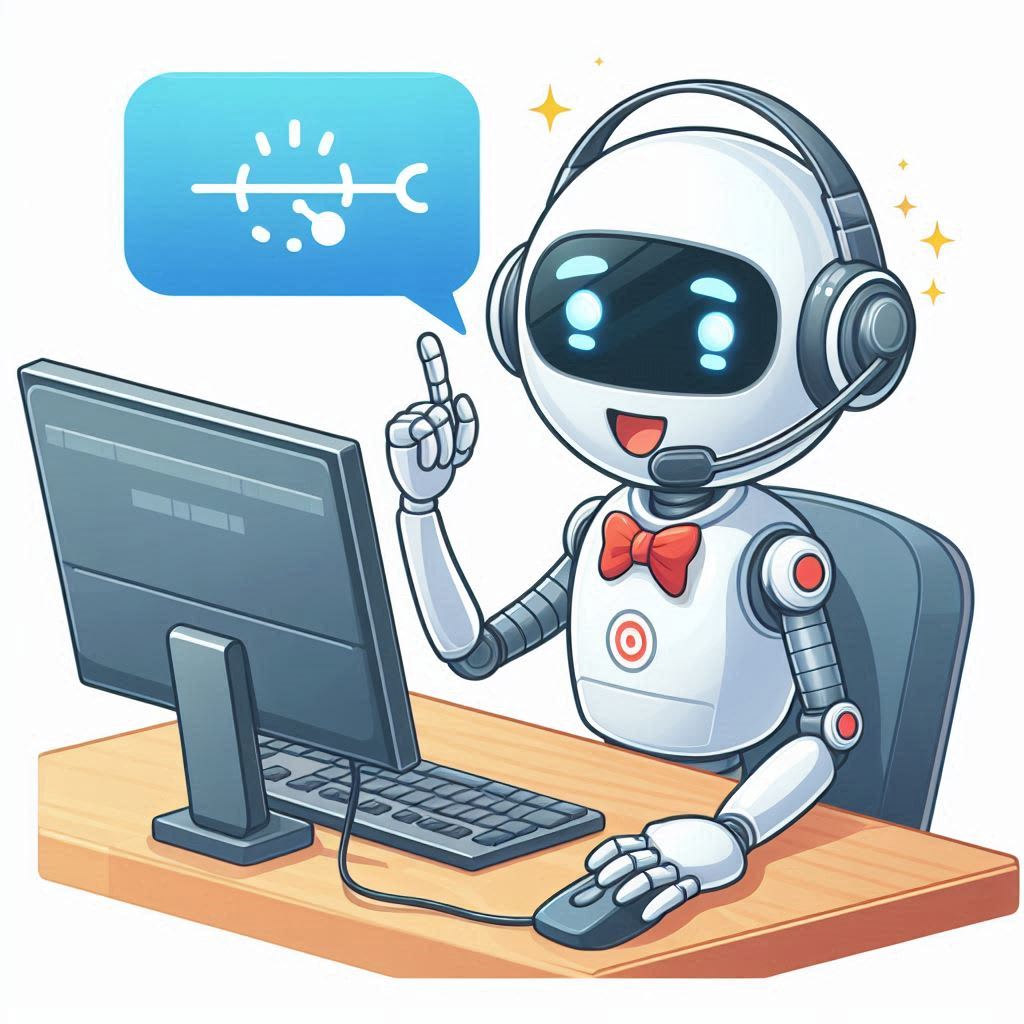
Artificial Intelligence (AI) has come a long way in recent years, revolutionizing industries from healthcare to finance. One of the most exciting advancements is in AI-driven voice generation technology, which is changing the way we communicate, create content, and interact with machines.
AI voice generators are no longer robotic or monotonous. They now produce natural, human-like voices, making them invaluable for businesses, content creators, and even everyday users. But how exactly does AI voice technology work, and what are its real-world applications? Let’s dive deep into the world of AI-driven voice generation and explore how it’s reshaping the future.
What is an AI Voice Generator?
An AI voice generator is a tool that uses artificial intelligence, specifically deep learning and natural language processing (NLP), to synthesize human-like speech. These tools can take text input and convert it into spoken audio, mimicking different tones, accents, and speech patterns.
AI voice technology relies on advanced machine learning models trained on massive datasets of recorded human speech. The more data the AI is trained on, the more natural and expressive the voice becomes. Some of the most well-known AI voice generators today include:
Google’s Text-to-Speech
Amazon Polly
IBM Watson Text-to-Speech
Murf.ai
Eleven Labs AI
Each of these tools has its own strengths, but they all aim to create lifelike and engaging voices that sound just like real humans.
How AI Voice Generators Work
AI voice synthesis involves three key components:
Text Processing – The AI analyzes the structure and meaning of the input text, breaking it down into phonemes (the smallest unit of sound in a language).
Voice Modeling – Using deep learning models, the AI maps phonemes to sound waves, adjusting pitch, tone, and intonation.
Audio Synthesis – The AI generates a speech waveform that sounds natural and human-like.
Some advanced AI voice generators even allow for emotion-based speech synthesis, where the voice can sound happy, sad, excited, or serious based on context.
Top Applications of AI Voice Generators
AI-generated voices are now being used across multiple industries, improving efficiency, accessibility, and user experience. Here are some of the most popular applications:
1. Content Creation & Podcasting
Many YouTubers, podcasters, and digital creators are using AI voice generators to produce high-quality voiceovers for their videos and podcasts. AI-generated voices can:
✅ Save time on recording and editing
✅ Provide multilingual voiceovers effortlessly
✅ Offer consistent tone and clarity
For example, platforms like Murf.ai and Eleven Labs AI allow content creators to generate professional voiceovers without hiring voice actors.
2. Virtual Assistants & Chatbots
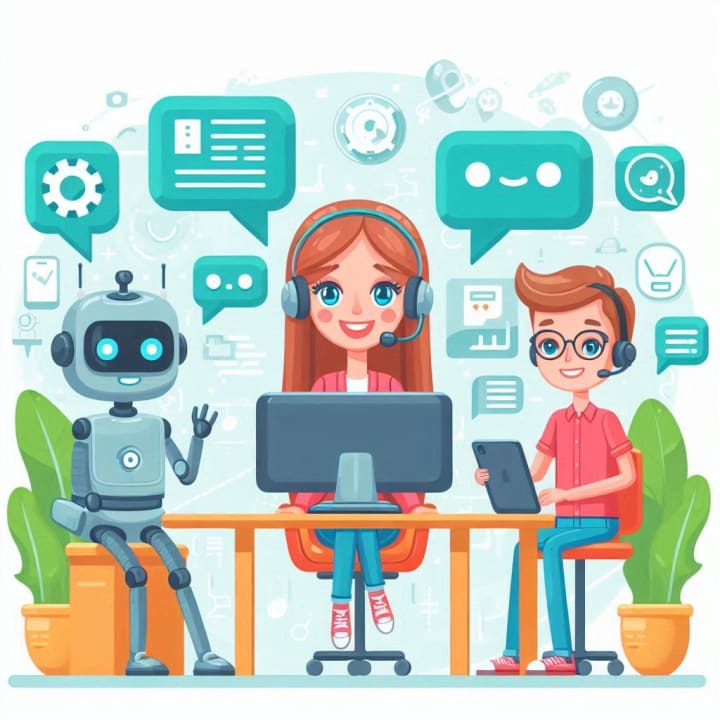
Smart assistants like Siri, Alexa, and Google Assistant rely on AI voice synthesis to interact with users. AI-generated voices improve chatbot interactions by making conversations feel more engaging and human-like.
Businesses use AI-powered customer support chatbots to:
Provide automated responses to FAQs
Assist customers in multiple languages
Offer a personalized customer experience
3. Audiobooks & E-Learning
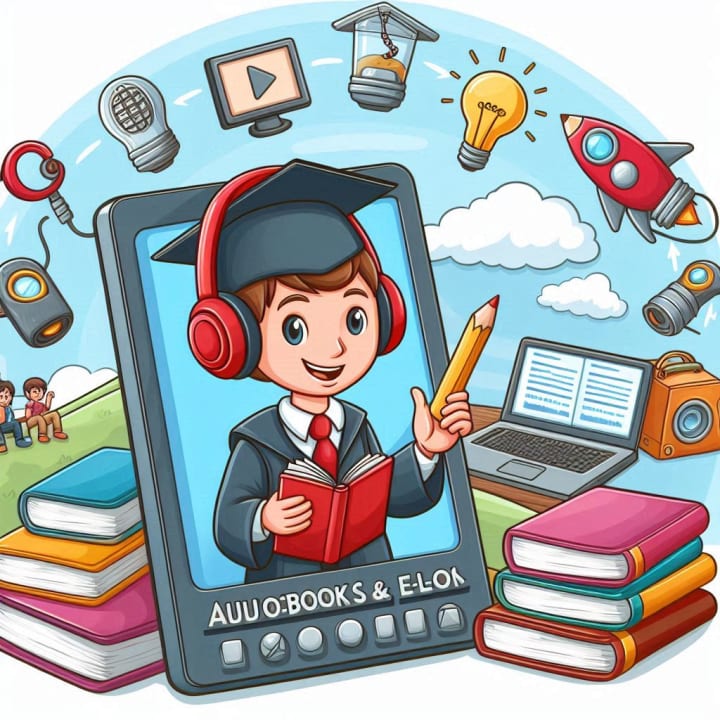
The e-learning industry has seen a massive boom in AI-generated voices. AI can narrate audiobooks, online courses, and training materials without the need for human voice actors.
📚 Publishers use AI to convert books into audiobooks at a fraction of the cost.
🎓 Online educators create interactive lessons with lifelike AI voices.
This makes learning more accessible to visually impaired individuals and those who prefer audio-based content.
4. Gaming & Entertainment

AI voice generation is revolutionizing the gaming industry by creating dynamic, real-time voice interactions for non-playable characters (NPCs).
🎮 Game developers use AI voices to generate unique character dialogues.
📽️ Film studios use AI voice cloning to replicate celebrity voices for dubbing.
A famous example is James Earl Jones licensing his AI-generated voice for future Darth Vader roles in Star Wars!
5. Healthcare & Accessibility
AI voices are making technology more accessible to people with disabilities.
Text-to-speech (TTS) tools help visually impaired users interact with computers.
AI-generated voices assist people with speech disorders by converting text into natural-sounding speech.
Medical professionals are also using AI voice assistants to transcribe patient records and automate appointment reminders.
6. Marketing & Advertising
Marketers are leveraging AI-generated voices to create:
📢 Personalized advertisements
📞 Automated voice calls
📹 Video commercials
With AI, brands can customize voiceovers for different target audiences without needing multiple voice actors.
Advantages of AI Voice Generators
AI voice generators offer several benefits over traditional voice recording methods:
✅ Cost-Effective
Hiring professional voice actors can be expensive. AI voice generators eliminate the need for recording studios, cutting costs significantly.
✅ Time-Saving
AI-generated speech can be produced instantly, reducing the time spent on recording and editing.
✅ Multilingual Support
Many AI tools offer voice synthesis in multiple languages, making it easier to expand content to global audiences.
✅ Consistency
Unlike human voices, AI-generated voices don’t get tired or change over time, ensuring consistent quality across all recordings.
Challenges & Ethical Concerns
Despite their advantages, AI voice generators come with challenges and ethical concerns:
🤖 Deep fake Voices – AI voice cloning technology can be misused for identity fraud or spreading misinformation.
📜 Copyright & Licensing – Legal battles have arisen over the use of AI-generated voices based on real actors or public figures.
🔊 Lack of Emotional Depth – While AI voices sound realistic, they still lack the nuanced emotions of a human speaker.
To counter these challenges, companies are implementing AI watermarking and voice authentication techniques to prevent misuse.
The Future of AI Voice Technology
As AI continues to evolve, we can expect even more lifelike and interactive voice synthesis. Some exciting future developments include:
🚀 AI voices with real-time emotional adaptation
🌍 Hyper-personalized voice assistants
🗣️ AI-generated voices for movies, games, and virtual reality
With ongoing advancements in deep learning, neural networks, and speech synthesis, AI voice generators are set to become an integral part of our daily lives.
Conclusion: Is AI Voice Technology Right for You?
Whether you're a content creator, business owner, or tech enthusiast, AI voice generators offer a powerful way to enhance digital communication.
🔹 Need a professional voiceover for your YouTube videos? AI can do it!
🔹 Want to create multilingual content? AI voice tech has you covered.
🔹 Looking to improve accessibility? AI-generated voices make information available to everyone.
🚀 Ready to explore AI voice generators?
Try out tools like Murf.ai, Google Text-to-Speech, or Eleven Labs and bring your content to life!
👉 What are your thoughts on AI-generated voices? Let us know in the comments!
About the Creator
Abilasha V
Welcome to my blog, where words meet passion! With 4+ years of experience, I craft engaging content on food, Japanese culture, travel, and AI-driven tech. Stay curious—let’s explore together!
Keep reading
More stories from Abilasha V and writers in Futurism and other communities.
🚀 NASA Astronauts Stuck in Space: Sunita Williams’ Return After 9 Months in ISS. Live News Updates
🛰️ Introduction In a dramatic turn of events, NASA astronauts Sunita Williams and Butch Wilmore, who were stranded on the International Space Station (ISS) for over nine months, are finally on their way back to Earth. Their prolonged stay, originally intended to be a short mission, was extended due to propulsion issues with the Boeing Starliner spacecraft. After several delays, they are now scheduled for a safe return aboard SpaceX’s Crew Dragon.
By Abilasha V10 months ago in Futurism
About Binding Prometheus
I want to start actively advocating on behalf of my own work, and the most valuable part of my canon is, without a doubt, Binding Prometheus, the play I have been working on since 2019 and only finished in 2023 as part of my MA. The play itself is an amalgamation of a million different inspirations. On one end, it evokes the Ancient Greek myth-play, deriving its own title from the earliest extant work of Western drama we have, Aeschylus’s Prometheus Bound. On the other end, it borrows significantly from the sci-fi bulwarks from over the years, namely Mary Shelley’s Frankenstein and Karel Capek’s Rossum’s Universal Robots. The play could be an episode of Black Mirror, I fear. I don’t know. I’ve only ever seen one episode of Black Mirror.
By Steven Christopher McKnight17 days ago in Futurism
United States Residential Remodeling Market Size and Forecast 2025–2033
Introduction The United States residential remodeling market has entered a transformative phase, driven by evolving homeowner lifestyles, rising property values, and an increased emphasis on sustainability and modernization. According to Renub Research, the United States Residential Remodeling Market is expected to reach US$ 804.02 billion by 2033, up from US$ 531.34 billion in 2024, growing at a CAGR of 4.71% between 2025 and 2033. This steady expansion reflects the essential role of remodeling in maintaining and enhancing the nation’s aging housing stock while aligning homes with contemporary living standards.
By Renub Research5 days ago in Futurism


Comments (1)
Great 💯👍