
🚀 NASA Astronauts Stuck in Space: Sunita Williams’ Return After 9 Months in ISS. Live News Updates
Sunita Williams and Butch Wilmore’s Dramatic Return: NASA Astronauts Head Home After 9 Months Stranded on the ISS

🛰️ Introduction
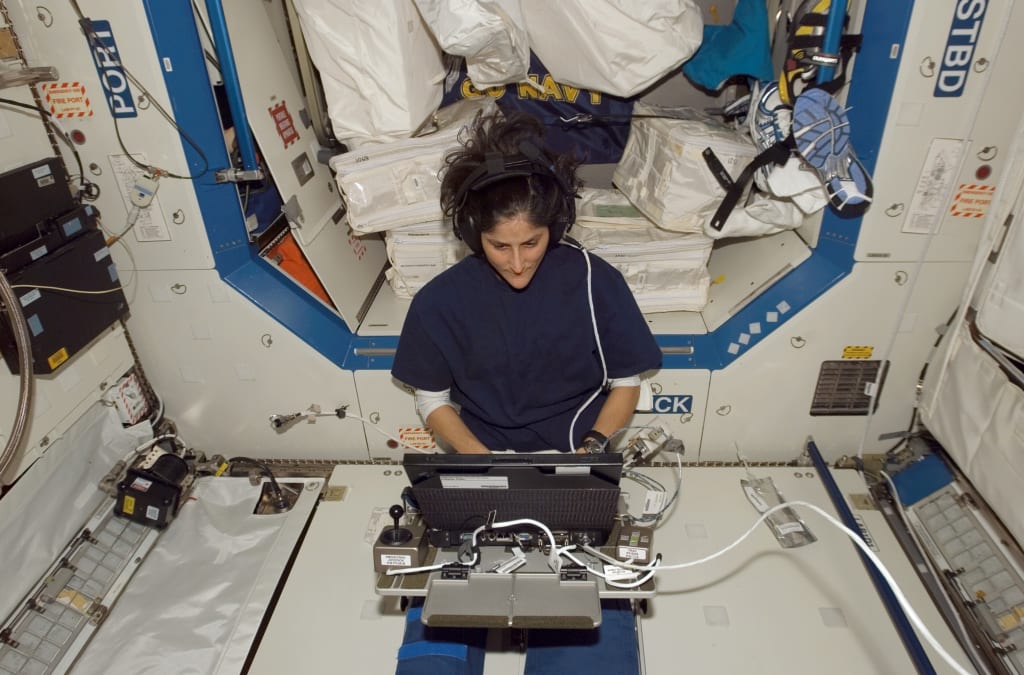
In a dramatic turn of events, NASA astronauts Sunita Williams and Butch Wilmore, who were stranded on the International Space Station (ISS) for over nine months, are finally on their way back to Earth. Their prolonged stay, originally intended to be a short mission, was extended due to propulsion issues with the Boeing Starliner spacecraft. After several delays, they are now scheduled for a safe return aboard SpaceX’s Crew Dragon.
In this article, we’ll explore:
- Why the astronauts were stuck in space.
- Their journey back to Earth.
- The challenges they faced during their extended stay.
- The science behind space travel’s impact on the human body.
- FAQs about Sunita Williams’ return and the future of space missions.
🚀 Why Were Sunita Williams and Butch Wilmore Stuck in Space?
Sunita Williams and Butch Wilmore were part of Boeing's Starliner crewed test flight in June 2024. The mission was intended to be a short-duration expedition to test the spacecraft's capabilities. However, due to propulsion system malfunctions, NASA deemed the Starliner unsafe for their return.
Instead of bringing the astronauts home, NASA integrated them into the Crew-9 mission, keeping them at the ISS until a reliable return option was available.
🔹 Key Events Leading to Their Extended Stay:
- June 2024: The duo traveled to the ISS on the Starliner spacecraft.
- Propulsion Issues: Starliner faced technical problems, preventing their return.
- Extended Stay: They remained on the ISS until a replacement shuttle became available.
- March 18, 2025: NASA confirmed their return aboard SpaceX’s Crew Dragon capsule.
🌎 The Return Journey: NASA Astronauts Headed Back to Earth
After 285 days in space, Williams and Wilmore finally undocked from the ISS aboard the SpaceX Crew Dragon on March 18, 2025.
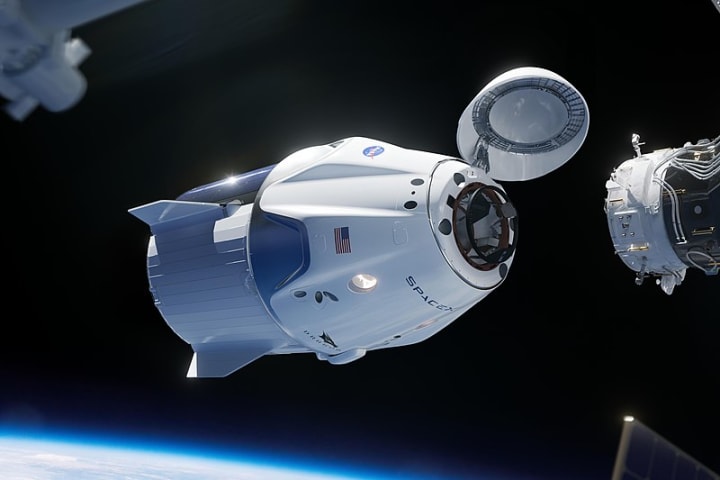
🔹 Return Details:
- Splashdown Date: March 18, 2025
- Location: Off the coast of Florida, USA
- Estimated Time: 5:57 pm ET (21:57 GMT)
- Total Travel Time: 17 hours back to Earth
🚀 The astronauts will re-enter Earth’s atmosphere, and the Crew Dragon capsule will deploy parachutes to ensure a safe landing in the ocean.
🩺 Challenges Astronauts Faced During Their Extended Stay
Spending over nine months in space takes a toll on the human body. During their extended stay, Williams and Wilmore faced several physiological and psychological challenges, including:
✅ 1. Microgravity Effects on the Body
Without gravity, bodily fluids shift upward, causing:
- Facial swelling and fluid accumulation.
- Increased intracranial pressure affecting vision.
- Bone density loss and muscle atrophy due to the lack of mechanical loading.
✅ 2. Radiation Exposure Risks
In space, astronauts are exposed to cosmic radiation, which can lead to:
- DNA damage and increased cancer risks.
- Cardiovascular issues and weakened immune function.
✅ 3. Psychological Stress and Isolation
Long-term space missions involve social isolation and confinement, which can cause:
- Sleep disturbances and mood swings.
- Reduced cognitive performance.
- Depression and mental fatigue.
🚀 Sunita Williams’ Space Record: 285 Days in Orbit
During her extended stay, Sunita Williams set remarkable records, including:
- 285 days in space.
- 4,576 orbits around Earth.
- 121,347,491 miles traveled.
🌟 This mission marked one of the longest-duration space expeditions for a NASA astronaut, showcasing endurance and adaptability in extreme conditions.
🧑🚀 The Science Behind Space Travel’s Impact on the Human Body
Space missions like Williams’ provide valuable data on how prolonged space travel affects human health.
🔹 1. Bone and Muscle Loss:
- Astronauts experience bone density reduction by 1-2% per month.
- Muscles weaken due to the lack of physical resistance in microgravity.
🔹 2. Vision Impairment:
- Fluid shifts increase pressure on the eyes, affecting vision.
- Some astronauts develop Spaceflight-Associated Neuro-Ocular Syndrome (SANS), causing permanent vision changes.
🔹 3. Immune System Changes:
- Space radiation can weaken the immune system, making astronauts more vulnerable to infections.
- Long-term exposure may also increase cancer risks.
🔍 FAQs: Sunita Williams’ Return from Space
❓ 1. Why were Sunita Williams and Butch Wilmore stuck in space?
They were originally scheduled to return on Boeing’s Starliner, but propulsion issues rendered the spacecraft unsafe. As a result, NASA delayed their return until a reliable shuttle, SpaceX Crew Dragon, was available.
❓ 2. When did Sunita Williams return to Earth?
Williams and Wilmore returned to Earth on March 18, 2025, after spending 285 days on the ISS.
❓ 3. How can I watch the live coverage of their return?
NASA and SpaceX provided live coverage of the splashdown on NASA TV and their official YouTube channel.
❓ 4. What challenges did the astronauts face in space?
They faced microgravity effects, radiation exposure, and psychological stress due to their prolonged stay.
❓ 5. What is the significance of this mission?
This mission highlighted the risks of extended space travel, providing NASA with valuable data for future deep-space missions, including possible voyages to Mars.
🌌 Conclusion: A Historic Space Journey
The return of NASA astronauts Sunita Williams and Butch Wilmore marks a historic milestone in space exploration. Their unexpected nine-month stay not only tested their physical and mental resilience but also provided invaluable scientific data for future space missions.
As NASA continues its exploration of space, missions like these pave the way for longer, more ambitious expeditions, helping us better understand the effects of space travel on the human body and improve safety measures for future astronauts.
🌠 Stay tuned for more updates on NASA’s space missions and groundbreaking discoveries!
About the Creator
Abilasha V
Welcome to my blog, where words meet passion! With 4+ years of experience, I craft engaging content on food, Japanese culture, travel, and AI-driven tech. Stay curious—let’s explore together!
Keep reading
More stories from Abilasha V and writers in Futurism and other communities.
The Future of Remote Work: Trends, Challenges, and Innovations for 2025 and Beyond
Introduction The way we work has changed forever. From a temporary solution during the pandemic to a fundamental shift in workforce dynamics, remote work has firmly established itself as the future of employment. The benefits - increased flexibility, improved work-life balance, access to a global talent pool, and cost savings for both employees and companies - have made remote work not just a trend but a strategic move.
By Abilasha Vabout a year ago in Futurism
Digital Out-Of-Home Advertising Market to hit USD 60 Billion By 2033
The Global Digital Out-Of-Home (DOOH) Advertising Market is projected to reach approximately USD 60 Billion by 2033, increasing from USD 19 Billion in 2023, growing at a CAGR of 11.8% during the forecast period from 2024 to 2033. This significant growth is fueled by the rising demand for dynamic, interactive, and data-driven advertising solutions that engage consumers in high-traffic outdoor environments. As digital screens, interactive kiosks, and other forms of digital signage continue to replace traditional static billboards, DOOH advertising is becoming a dominant force in the advertising landscape.
By Roberto Crum6 days ago in Futurism
Handicrafts Market: Global Handmade Goods Expansion, Craft Innovation & Industry Growth
According to IMARC Group's latest research publication, the global handicrafts market reached USD 986.9 Billion in 2025. Looking forward, IMARC Group expects the market to reach USD 2,038.0 Billion by 2034, exhibiting a growth rate (CAGR) of 8.39% during 2026-2034.
By sujeet. imarcgroupabout 10 hours ago in Futurism
My First Time Skiing and I Got Lost, Alone, in the French Alps
Looking back, I can trace some of my life’s biggest adventures to a simple action from my sister. She’d introduced me to Tommy (a very long time ago), a colleague of hers, who had overshared his penchant for Italian-looking women, and I ticked that box.
By Chantal Christie Weiss3 days ago in Humans



Comments
There are no comments for this story
Be the first to respond and start the conversation.