
Unveiling the Peak of Desire: When Are Women Most Sexually Aroused?
Understanding the Connection Between Ovulation and Heightened Sexual Desire in Women


Sexual desire is a natural part of life, just like hunger or sleep. However, many people feel uncomfortable discussing it openly, especially when it comes to female sexuality. There’s nothing shameful about addressing one’s sexual needs. Maintaining a healthy sexual life is essential for overall well-being, reducing stress, and fostering emotional intimacy. But here’s a question many people don’t know the answer to: When are women most sexually aroused during the month? If you’re curious, let’s delve into the science behind it.
The Cycle of Desire
Women’s bodies undergo numerous hormonal changes throughout their menstrual cycle, influencing various physical and emotional responses. One key factor to consider is ovulation, the time when a mature egg is released from the ovaries, making a woman fertile. During this phase, hormonal fluctuations significantly impact sexual desire. Research shows that many women experience an increase in sexual drive around this time. But why does this happen?
Understanding Ovulation
Ovulation occurs once per cycle, typically around the midpoint of a woman's menstrual cycle, which is usually between 21-35 days. The most fertile window for a woman falls between days 13 to 20, depending on the length of her cycle. For women with a 28-day cycle, ovulation generally happens around day 14. This is when the body releases an egg, ready for fertilization, and coincides with a spike in hormones like estrogen and testosterone. These hormonal changes cause a noticeable increase in sexual desire.
It’s during these days—around ovulation—that women are most likely to experience heightened sexual arousal. The body's natural biological clock primes women for reproduction during this fertile window, leading to stronger physical cravings for intimacy.
Signs That Indicate Ovulation
Wondering how you can tell if you're ovulating? There are a few telltale signs your body provides:
- Slight Rise in Body Temperature: Before ovulation, there is often a subtle rise in body temperature, which can be tracked using a basal thermometer.
- Changes in Cervical Mucus: Around ovulation, women may notice a change in cervical mucus. It becomes clearer and more slippery, similar to the consistency of egg whites.
- Increased Sexual Desire: Many women report feeling more sexually energized or “in the mood” during ovulation.
Why Is This Important?
If you’re trying to conceive, timing intercourse around ovulation is essential, as this is when a woman is most fertile. However, even for those not looking to get pregnant, understanding these biological rhythms can enhance relationships. Partners who are in tune with each other’s needs can build a more fulfilling and supportive sexual connection.
For women, it’s important to listen to your body and communicate with your partner about your desires. Unfortunately, societal taboos often prevent open discussions about female sexuality, leaving many women hesitant to express their needs.
Breaking the Stigma
A fulfilling sexual life is a key component of physical and mental health. Studies have shown that regular, satisfying sexual activity can reduce stress, improve mood, and even boost the immune system. Yet, many women feel uncomfortable speaking about their sexual desires, even with their partners.
In a world where discussing sex openly is still considered taboo, women often shy away from conversations about their needs. It's time to break this cycle of silence. There’s no shame in understanding your body and seeking satisfaction, just as there’s no shame in talking about any other aspect of your health.
Building a Stronger Connection
For partners, understanding the ebb and flow of sexual desire in women’s cycles can lead to deeper intimacy and connection. Paying attention to when your partner feels more aroused, especially during ovulation, allows for more meaningful and satisfying experiences together. Physical closeness and emotional bonding during these peak times can strengthen the relationship, creating a stronger, more unified partnership.
Notes:
Sexual desire is a natural and essential part of life. For women, the peak of sexual arousal often occurs around ovulation, when hormonal changes create the perfect environment for intimacy. While many feel embarrassed to discuss this topic, understanding these biological patterns can lead to better communication, enhanced relationships, and improved well-being. If you’re curious about your own cycle, start paying attention to the signs your body gives you. Open conversations with your partner about your needs and desires will only strengthen your connection. After all, a healthy sexual life is just as important as any other aspect of well-being.
About the Creator
William Henry
Writing has been a hobby of mine for years, and I’m excited to share my work here! Besides writing, I’m passionate about dogs and love to travel.
I hope you enjoy my creative journey!
Keep reading
More stories from William Henry and writers in Filthy and other communities.
Can You Get Pregnant Right After Your Period?
Understanding women's reproductive health is crucial, especially regarding the timing of intercourse and the chances of conception. A common question many people have is whether having sexual intercourse immediately after menstruation can lead to pregnancy. This article will explore the menstrual cycle, the timing of ovulation, and how these factors contribute to the possibility of becoming pregnant.
By William Henryabout a year ago in Filthy
United States Hotel Market Size & Forecast 2025–2033: Experience-Driven Travel Fuels a New Era of Growth
United States Hotel Market Outlook The United States hotel market is poised for steady and resilient expansion, rising from US$ 255.33 billion in 2024 to US$ 422.10 billion by 2033, reflecting a compound annual growth rate (CAGR) of 5.76% during 2025–2033. Growth is being driven by strong domestic travel demand, rising interest in experience-based stays, continued investment in hotel development, and the digital transformation of guest services. As leisure and business travel stabilize across the country, hotels of all categories—from luxury resorts to economy motels—are benefiting from shifting traveler preferences and renewed mobility.
By Marthan Sir5 days ago in Filthy
Europe Online Travel Market Size and Forecast 2025–2033
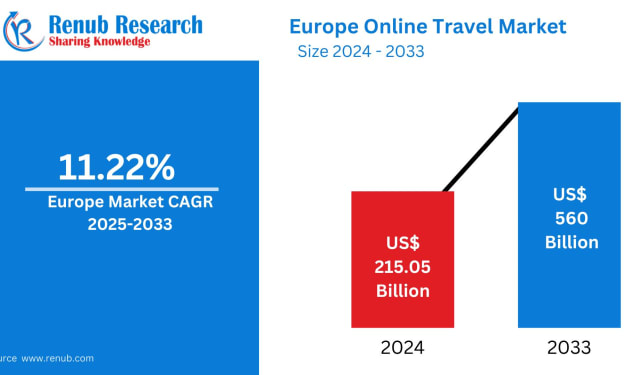
Europe Online Travel Market Outlook (2025–2033) The Europe Online Travel Market is undergoing a powerful transformation as digital innovation, changing consumer preferences, and sustainability-driven choices redefine how Europeans plan and book their journeys. According to Renub Research, the market is expected to expand from US$ 215.05 billion in 2024 to US$ 560 billion by 2033, registering a strong CAGR of 11.22% from 2025 to 2033.
By Janine Root about 8 hours ago in Filthy



Comments
There are no comments for this story
Be the first to respond and start the conversation.