
The Rise and Rule of King Thareesh: The Iron Grip Over Vidathilampatty
After decades of rule, stories of Thareesh's governance became almost mythical, filled with both praise and condemnation. The glittering statue of the king remains, a silent testament to an era of both grandeur and fear, reflecting the complicated history of Vidathilampatty under the reign of King Thareesh.

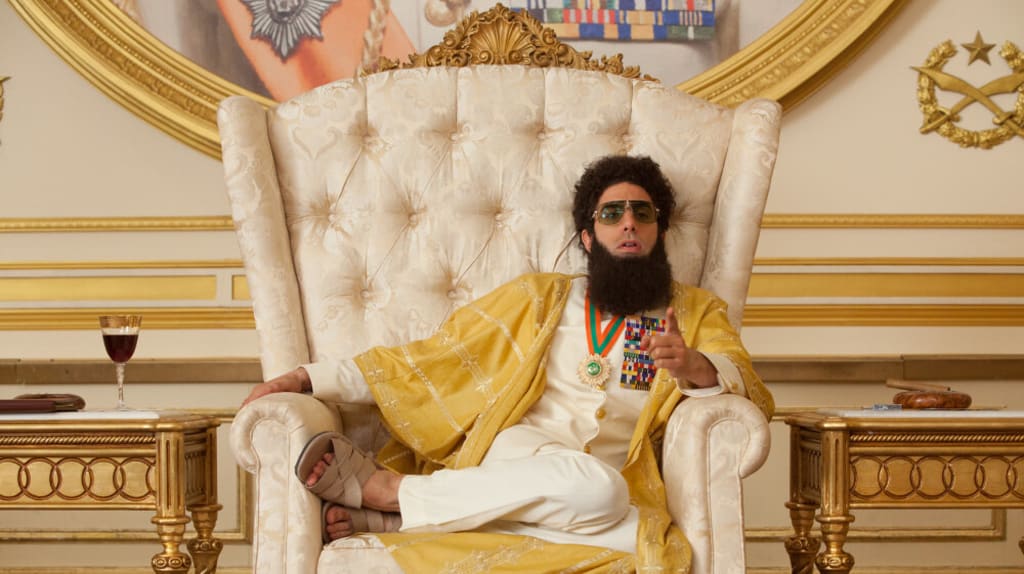
The Rise and Rule of King Thareesh: The Iron Grip Over Vidathilampatty
In the remote and mysterious kingdom of Vidathilampatty, a ruler unlike any other rose to power. King Thareesh, known for his extravagant lifestyle and unyielding authority, became a figure of fascination and fear. This article explores the life, leadership, and legacy of a leader whose name echoed through the annals of history for his unique blend of charisma and absolute control.
The Path to Power
Vidathilampatty, a land rich in culture and heritage, had long been under monarchical rule. However, the reign of King Thareesh was marked by an unusual ascent. Thareesh, rumored to have come from noble roots mixed with a dash of revolutionary spirit, seized power through a calculated mix of cunning diplomacy and sheer force. His initial promises of prosperity and progress were soon overshadowed by a regime that blended humor, flamboyance, and ruthlessness.
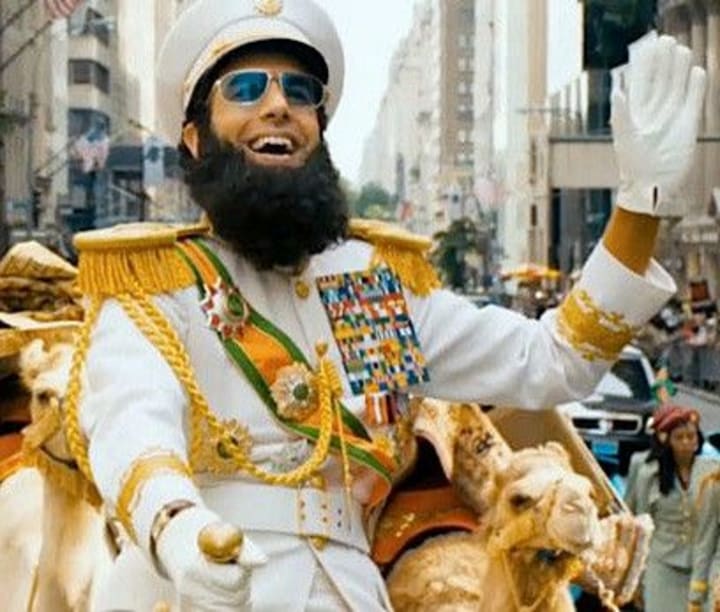
A Reign Defined by Excess and Eccentricity
King Thareesh was not just a leader; he was an entertainer. He often appeared in grand parades, dressed in elaborate uniforms adorned with medals of his own invention. The people of Vidathilampatty watched with a mix of admiration and apprehension as he made public proclamations from golden thrones or piloted fighter jets across the city skyline to celebrate national holidays.
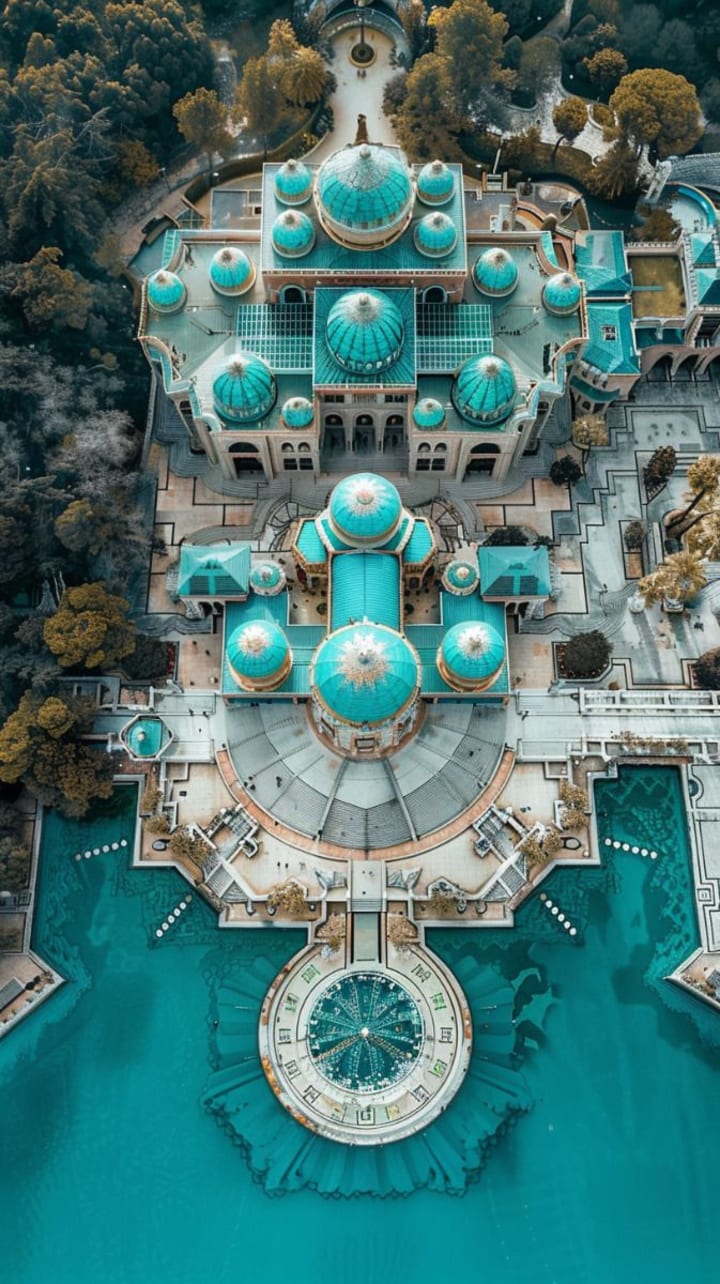
Thareesh's rule was marked by extravagant spending on grand projects—some practical, like improving roads and infrastructure, and others purely symbolic, such as a towering statue of himself in the city center that glittered under the sun. Critics often whispered about the futility of such excesses, but dissent was stifled with severe consequences.
The Iron Fist Behind the Humor
Though King Thareesh's antics amused his followers, they served a more calculated purpose. His humor and theatricality distracted from the strict policies that underpinned his governance. Any opposition was met with swift retribution. The secret police, known as the Vidathilampatty Enforcers, ensured that dissenting voices disappeared before they could pose a threat to the regime.
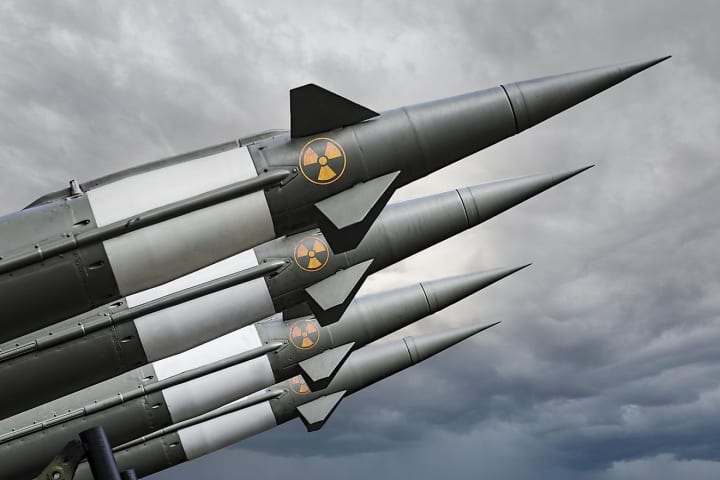
Internationally, Thareesh's reputation was one of defiance and unpredictability. He would issue bold, often satirical statements challenging powerful nations, making him a controversial figure on the global stage. Diplomats struggled to negotiate with him, never sure whether he was serious or simply mocking their efforts.

Moments of Surprising Change
Despite his iron grip, Thareesh occasionally showed surprising moments of reform. It was said that he had a soft spot for technological advancements and education. Schools flourished under his reign, provided they taught a curriculum that praised his achievements and reinforced his authority. Scholarships were granted to the brightest minds, allowing them to study abroad—on the condition that they returned to contribute to the glory of Vidathilampatty.
The Legacy of Thareesh
King Thareesh's legacy is a complex one. To some, he was a symbol of Vidathilampatty's independence and audacity, a leader who dared to mock the norms and stand up against external pressures. To others, he was a tyrant whose whims brought equal parts prosperity and suffering to his kingdom.

A military dictatorship, or a military regime, is a type of dictatorship in which power is held by one or more military officers. Military dictatorships are led by either a single military dictator, known as a strongman, or by a council of military officers known as a military junta. They are most often formed by military coups or by the empowerment of the military through a popular uprising in times of domestic unrest or instability. The military nominally seeks power to restore order or fight corruption, but the personal motivations of military officers will vary.
The balance of power in a military dictatorship depends on the dictator's ability to maintain the approval of the military through concessions and appeasement while using force to repress opposition. Military strongmen may seek to consolidate power independently of the military, effectively creating personalist dictatorships. Military dictators are under constant threat of removal by their fellow military officers, and counter-coups are common against military regimes that fail to maintain support. Politicization of the military can also cause factionalism, and the military is often willing to give up power voluntarily rather than have the military destabilized. Military dictatorships are less involved in political affairs than other regimes, with their policy mainly directed toward benefiting the military as an institution. Military rule is maintained by force more so than in other regimes, though military dictators often create separate security forces to maintain political control independently from the military.
About the Creator
Say the truth
"Say the Truth: Explain Everything in the World" is your trusted source for uncovering facts and exploring the wonders of history, science, technology, and beyond. We simplify complex ideas and reveal truths to inspire curiosity .
Keep reading
More stories from Say the truth and writers in Fiction and other communities.
Exploring The Tempest: Magic, Betrayal, and Forgiveness in Shakespeare’s Enchanting Island Tale
Title: Exploring The Tempest: Magic, Betrayal, and Forgiveness in Shakespeare’s Enchanting Island Tale The Tempest, one of William Shakespeare's final plays, is a tale filled with magic, adventure, and deep emotions. Written around 1610, The Tempest is unique because it blends elements of fantasy with real human struggles, making it both a magical and meaningful story. In the play, we meet characters who have been wronged, others who seek revenge, and still others who yearn for freedom. At its heart, The Tempest is about forgiveness and the human ability to choose kindness over anger. This story, which is set on a mysterious island, unfolds with twists and turns, keeping audiences captivated for over 400 years.
By Say the truth about a year ago in Fiction


Comments
There are no comments for this story
Be the first to respond and start the conversation.