
The Rise and Fall of Velupillai Prabhakaran: Controversial Leader of Sri Lanka's Tamil Separatist Movement
A Deep Dive into the Final Battle of the Sri Lankan Civil War and the Controversies Surrounding Prabhakaran's Death.
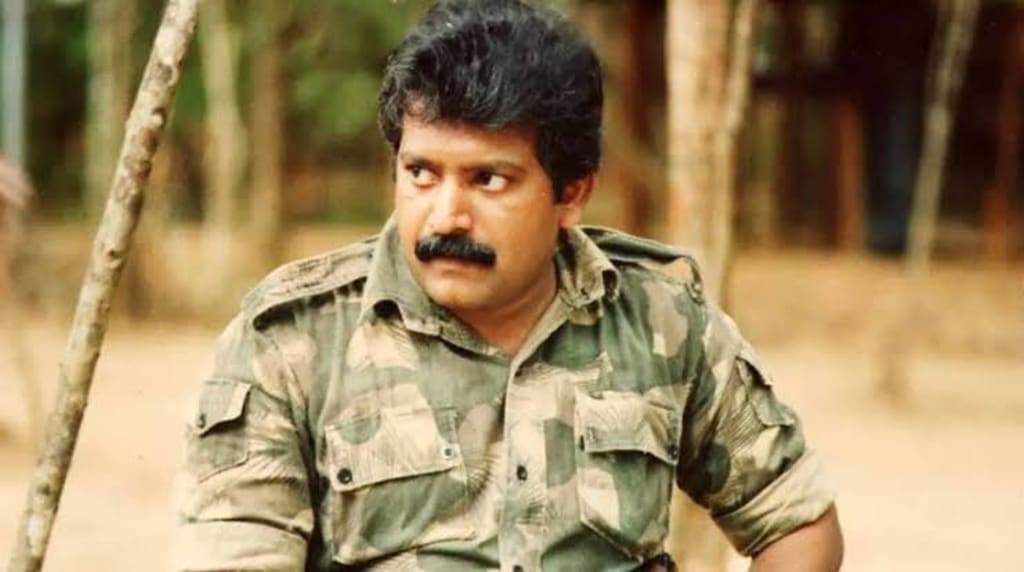
Velupillai Prabhakaran (1954-2009) was a Sri Lankan Tamil militant and the founder and leader of the Liberation Tigers of Tamil Eelam (LTTE), a separatist organization fighting for an independent state for Sri Lankan Tamils in the north and east of Sri Lanka.
Prabhakaran was born in the northern part of Sri Lanka, and he formed the LTTE in 1976 at the age of 22. The group became notorious for its use of suicide bombings, which they popularized and used extensively throughout the Sri Lankan Civil War.
The LTTE fought a brutal and violent conflict against the Sri Lankan government, which lasted for over 25 years and resulted in tens of thousands of deaths. Prabhakaran was a highly controversial figure, praised by some as a hero and freedom fighter, while reviled by others as a ruthless terrorist.
In 2009, the Sri Lankan government declared victory in the civil war, and Prabhakaran was killed in the final battle. His death marked the end of the LTTE and the civil war, but the legacy of the conflict and the Tamil separatist movement in Sri Lanka continue to have significant political and social implications.
Prabhakaran was a charismatic and enigmatic figure who was revered by many of his followers. He was known for his strategic thinking, military prowess, and ability to inspire loyalty and devotion among his supporters. He built the LTTE into a highly organized and disciplined organization, with its own army, navy, and air force.
The LTTE's struggle for an independent Tamil state in Sri Lanka was fueled by a sense of discrimination and marginalization among Sri Lankan Tamils, who make up a significant minority in the country. The LTTE waged a guerrilla war against the Sri Lankan government and military, using hit-and-run tactics, assassinations, and suicide bombings.
The LTTE's tactics, including the use of child soldiers and suicide bombings, were widely condemned by the international community, and the group was designated as a terrorist organization by many countries, including the United States and India.
The Sri Lankan Civil War, which lasted from 1983 to 2009, resulted in the deaths of an estimated 70,000 people, and the displacement of hundreds of thousands. The LTTE was ultimately defeated by the Sri Lankan military in 2009, and Prabhakaran was killed in the final battle.
Although the Sri Lankan government declared victory over the LTTE, the conflict left deep scars on Sri Lankan society, particularly among the Tamil community. The issue of Tamil separatism and the treatment of the Tamil minority in Sri Lanka continue to be contentious political and social issues.
rabhakaran was a highly controversial figure, both within Sri Lanka and internationally. While he was revered by many Tamils as a hero and freedom fighter, he was reviled by others as a terrorist responsible for countless atrocities.Under Prabhakaran's leadership, the LTTE carried out a number of high-profile attacks, including the 1991 assassination of former Indian Prime Minister Rajiv Gandhi. This attack strained India's relationship with the LTTE and damaged the group's international reputation.
The LTTE also developed a reputation for its innovative use of technology and tactics, including the use of women in combat roles and the deployment of suicide bombers.
The Sri Lankan government's military campaign against the LTTE in the final years of the civil war was marked by allegations of war crimes and human rights abuses, particularly against Tamil civilians. The government's victory over the LTTE came at a high cost, with estimates suggesting that as many as 40,000 civilians may have been killed in the final months of the conflict.
The legacy of the Sri Lankan Civil War and the role of the LTTE in the conflict continue to be contentious issues in Sri Lanka and the wider region. While the end of the war brought an end to the LTTE's armed struggle, it did not address the underlying issues that led to the conflict in the first place. The Tamil minority in Sri Lanka continues to face discrimination and marginalization, and calls for greater autonomy and self-determination remain a divisive issue in the country.
About the Creator
Keep reading
More stories from SAHAYA JEGANATH A S and writers in Fiction and other communities.
A Tale of Romance and Social Conventions: The Story of "Pride and Prejudice"
Pride and Prejudice is a novel by Jane Austen, first published in 1813. The story follows Elizabeth Bennet, the second of five sisters, as she navigates the social norms and expectations of 19th-century England in her search for love and marriage.
By SAHAYA JEGANATH A S3 years ago in Fiction
Miss Persephone's Manual to a Seemingly Ordinary Life
Miss Persephone was found at the dining table, her blue eyes swollen, her tears arriving and retreating like the tides of the ocean. Earlier that day, her family had visited her in the retirement home where she had lived for eight years. It was her eightieth birthday.
By Imola Tóth5 days ago in Fiction
Coming of Age
Over the last five years, life in the Bay State seemed to be in a constant state of turmoil. Tariffs on glass, lead and several other items were responded to by the colonists with boycotts. Unrest grew to a fevered pitch until, on March 5th, 1770, the Boston Massacre occurred. Three years later, a group of men dressed as Native Americans boarded a ship and tossed its cargo of tea into Boston Harbor. Their action was dubbed the Boston Tea Party. It was easy to see how a fourteen-year-old boy who lived twenty miles from the big city could be easily confused by the state of the world.
By Mark Gagnon4 days ago in Fiction
Silver Screen Magic with Mae West
American actress and singer Mae West became a popular film actress during the Great Depression. She started entertaining in vaudeville, then performed on Broadway, and finally went to Hollywood. She signed up with Paramount Pictures and made her debut in the 1932 film “Night After Night.” She also starred in musicals, comedies, and crime dramas. The American Film Institute named her one of the best classic Hollywood actresses.
By Rasma Raisters6 days ago in Geeks


Comments
There are no comments for this story
Be the first to respond and start the conversation.