
A Tale of Romance and Social Conventions: The Story of "Pride and Prejudice"
The Triumph of Individualism Over Social Convention
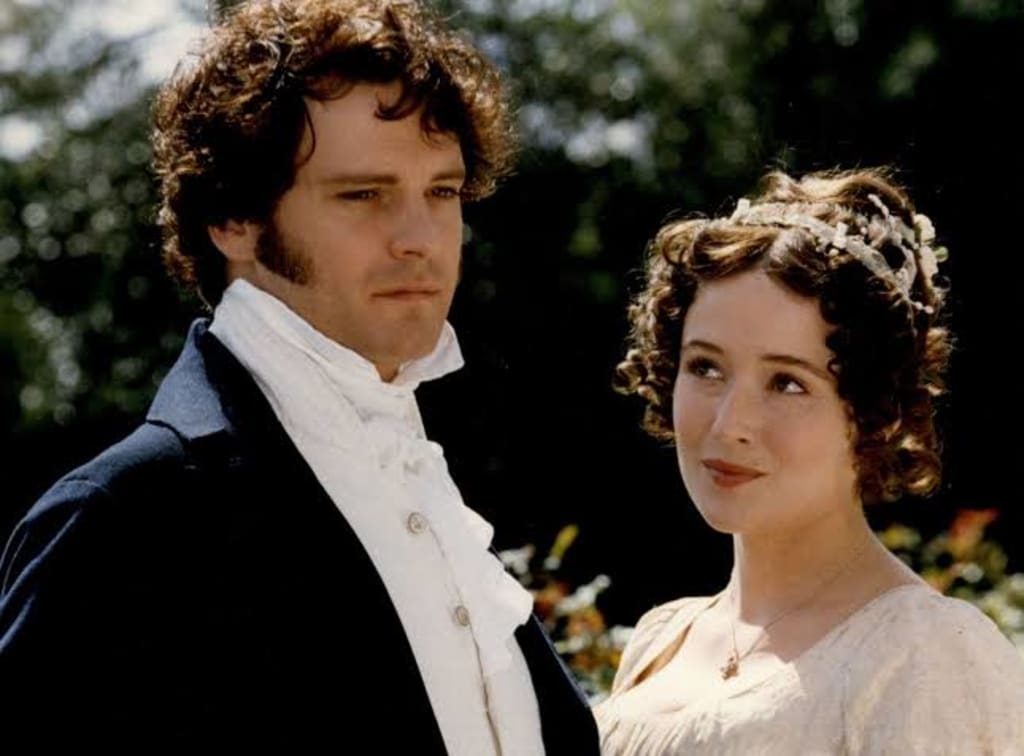
Pride and Prejudice is a novel by Jane Austen, first published in 1813. The story follows Elizabeth Bennet, the second of five sisters, as she navigates the social norms and expectations of 19th-century England in her search for love and marriage.
The novel is set in the fictional town of Meryton and surrounding areas, and focuses on the relationships between the Bennet family and their acquaintances, particularly the wealthy Mr. Darcy and his social circle. As Elizabeth and Darcy's initial negative impressions of each other give way to mutual respect and admiration, the novel explores themes of pride, prejudice, social status, and the challenges of finding love and happiness in a rigidly stratified society.
The novel is widely regarded as one of the greatest works of English literature, and has been adapted numerous times for film, television, and stage. Its enduring popularity is due in part to its insightful portrayal of human nature and its witty and engaging prose.
The novel begins with the arrival of a wealthy young bachelor, Mr. Bingley, in the town of Meryton. Mr. Bingley is immediately taken with Jane Bennet, Elizabeth's eldest sister, and they begin a courtship. Meanwhile, Elizabeth meets Mr. Darcy, Bingley's friend and a man of great wealth and status, but she is put off by his cold and aloof manner.
As the story progresses, Elizabeth and Darcy are repeatedly thrown together, and their initial dislike of each other slowly gives way to attraction and affection. However, misunderstandings and social conventions threaten to keep them apart. In addition, the Bennet family faces financial difficulties, and the fate of the family's estate rests on the marriage prospects of the Bennet sisters.
The novel is full of memorable characters, including the sharp-tongued Elizabeth, her foolish mother, her practical and affectionate father, and her flighty and flirtatious younger sisters. Through their interactions and conversations, Austen offers a commentary on the manners, customs, and social mores of the era, as well as a critique of the role of women in society.
In the end, after overcoming numerous obstacles, Elizabeth and Darcy are able to confess their love for each other and marry. The novel ends with a sense of closure and happiness, as the various romantic entanglements are resolved and the characters find their place in society.
Throughout the novel, the theme of marriage and social status is prominent. The Bennet family's financial situation makes it imperative that the sisters marry well, which creates pressure and tension as they navigate the social scene. Elizabeth is particularly resistant to the idea of marrying for wealth and status alone, and she struggles to find a partner who meets her standards of intelligence and character.
In addition to the romantic plotlines, the novel also addresses the limitations placed on women in 19th-century England. The Bennet sisters are well-educated and capable, but they are largely confined to roles as wives and mothers. Austen uses the character of Elizabeth to challenge these gender expectations, portraying her as a strong-willed and independent woman who refuses to conform to societal norms.
Throughout the novel, there are also moments of humor and satire. Austen uses wit and irony to skewer the foibles of the characters and to comment on the social and cultural norms of the time. The novel's famous opening sentence, "It is a truth universally acknowledged, that a single man in possession of a good fortune, must be in want of a wife," is a prime example of this.
Overall, Pride and Prejudice is a classic novel that has endured for over 200 years due to its insightful portrayal of human nature, its exploration of the complexities of love and marriage, and its engaging characters and witty prose.
About the Creator
Keep reading
More stories from SAHAYA JEGANATH A S and writers in Fiction and other communities.
So You Decided To Become a Nurse Practitioner:
So you decided to become an "Advanced Practice" nurse. Congratulations!... is what I would say if this was a good idea. Grad school? In this economy? What were you thinking? Likely it was something along the lines of either 1) “I've seen these other chucklefucks do it— Why can't I?” or even 2) “I've got a nice career, I should shake it up. I miss feeling like I have no clue what I'm doing.”
By Sandor Szabo3 days ago in Fiction




Comments
There are no comments for this story
Be the first to respond and start the conversation.