
Best prompts for developing complex characters in fiction
Best Prompts for Developing Complex Characters in Fiction: Unlocking Depth, Motivation, and Growth
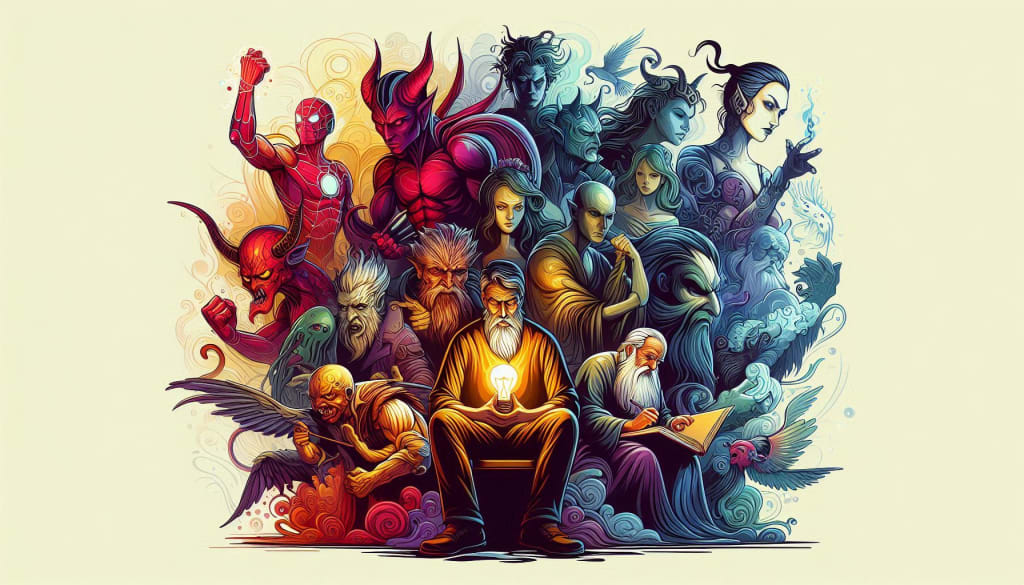
Creating complex characters is essential for crafting compelling fiction. These characters not only drive the story but also captivate readers with their depth, growth, and realism. To develop such characters, writers need to explore their inner lives, motivations, and conflicts. Here are some of the best prompts to help writers create multifaceted characters that resonate with readers.
1. Personal Conflict Prompts
Personal conflicts are key to developing characters who feel real and relatable. These prompts can help you explore your character’s internal struggles:
- What is your character’s biggest fear, and how does it influence their behavior and decisions?
- Exploring fear reveals vulnerabilities and can drive character growth through challenges.
- What is a secret your character is hiding, and how would revealing it impact their relationships and life?
- Secrets add layers to a character and create tension, providing opportunities for character development and plot twists.
- How does your character’s past trauma affect their present actions and relationships?
- Past trauma influences a character’s personality and behavior, offering insight into their motivations and responses.
2. Motivation and Desire Prompts
Understanding what drives a character helps in making their actions and decisions more believable:
- What does your character want more than anything, and what are they willing to sacrifice to achieve it?
- This reveals priorities and shows the lengths to which they will go to fulfill their desires, highlighting their determination or flaws.
- What is your character’s core belief about the world, and how does this belief shape their goals and actions?
- Core beliefs influence decisions and conflict with other characters or situations, providing a framework for their actions.
- How does your character define success, and how does this definition influence their choices and relationships?
- Different definitions of success can lead to varied life paths and conflicts, showing the character’s personal values.
3. Relationship Dynamics Prompts
Characters don’t exist in a vacuum; their relationships reveal much about their personalities and growth:
- How does your character interact with authority figures, and what does this reveal about their respect for rules and hierarchy?
- Interactions with authority can highlight a character’s attitude towards control, rebellion, or conformity.
- What is your character’s most important relationship, and how does it shape their worldview and behavior?
- Significant relationships influence a character’s development, showing how they handle intimacy, conflict, and support.
- How does your character deal with betrayal or disappointment from someone they trust?
- Responses to betrayal can reveal a character’s coping mechanisms, resilience, and capacity for forgiveness.
4. Decision-Making and Morality Prompts
Exploring how characters make decisions and their moral compass adds complexity:
- When faced with a moral dilemma, what factors does your character consider, and what do their choices reveal about their values?
- Moral dilemmas test characters’ values and principles, providing insight into their integrity and ethical beliefs.
- How does your character handle guilt or regret from past actions, and how does this affect their future choices?
- Guilt and regret shape a character’s self-perception and can drive their journey towards redemption or self-destruction.
- What would your character do if they had absolute power for a day, and how does this reflect their true nature?
- Imagining absolute power exposes a character’s desires, fears, and potential for corruption or altruism.*
5. Personal Growth and Change Prompts
Dynamic characters evolve throughout the story. These prompts explore their development:
- What is the biggest mistake your character has ever made, and how has it shaped who they are today?
- Mistakes and their consequences highlight personal growth and can drive significant character arcs.
- How does your character respond to failure or setbacks, and what does this reveal about their resilience or vulnerability?
- Responses to failure show how characters handle adversity and their capacity for growth and adaptation.*
- What does your character hope to achieve by the end of the story, and how does their journey toward this goal reveal their true self?
- The pursuit of goals reflects a character’s evolution, showing how they confront obstacles and change over time.
Conclusion
Developing complex characters requires delving deep into their fears, motivations, relationships, decision-making processes, and growth. By using these prompts, writers can create characters who are not only integral to the plot but also resonate with readers on an emotional level. The richness of a character’s inner world, coupled with their evolving journey, ensures that they are memorable and engaging. Crafting such characters enriches the narrative, making the story more impactful and compelling.
About the Creator
Hanzlah Riaz
Check out My Blog: Bitcoin Starter Tips
Keep reading
More stories from Hanzlah Riaz and writers in Fiction and other communities.
How do I create memorable characters in fiction?
Creating memorable characters in fiction is one of the most crucial aspects of storytelling. Characters drive the plot, evoke emotions, and allow readers to connect with the story on a personal level. Whether you’re writing a novel, a short story, or a screenplay, developing characters that linger in readers' minds long after they've finished reading is a powerful skill. This article will delve into techniques and strategies for crafting unforgettable characters, from their conception to their role within the narrative.
By Hanzlah Riazabout a year ago in Writers
So You Decided To Become a Nurse Practitioner:
So you decided to become an "Advanced Practice" nurse. Congratulations!... is what I would say if this was a good idea. Grad school? In this economy? What were you thinking? Likely it was something along the lines of either 1) “I've seen these other chucklefucks do it— Why can't I?” or even 2) “I've got a nice career, I should shake it up. I miss feeling like I have no clue what I'm doing.”
By Sandor Szabo4 days ago in Fiction



Comments
There are no comments for this story
Be the first to respond and start the conversation.