
How do I create memorable characters in fiction?
Crafting Unforgettable Personalities: Techniques for Developing Characters That Resonate with Readers
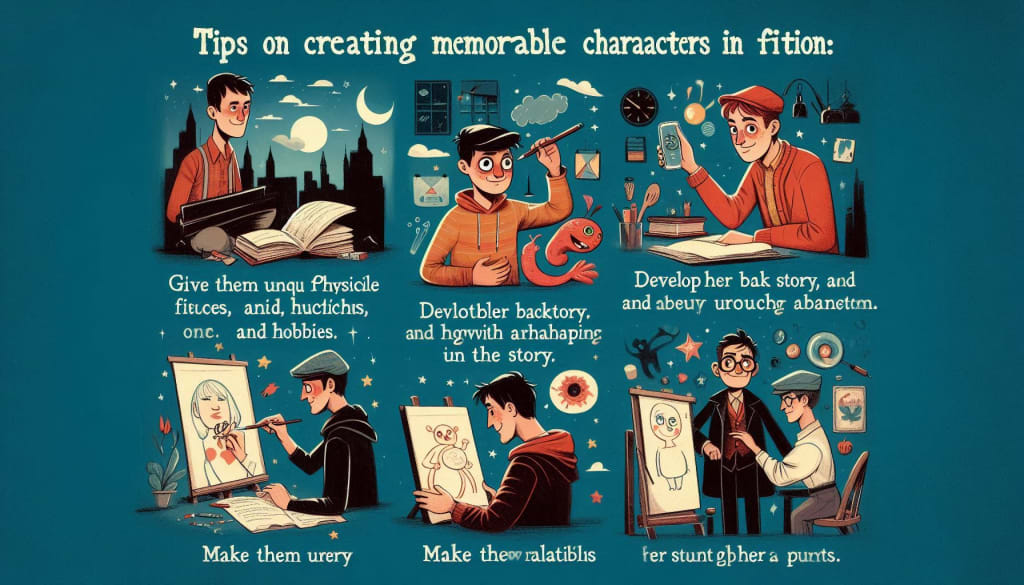
Creating memorable characters in fiction is one of the most crucial aspects of storytelling. Characters drive the plot, evoke emotions, and allow readers to connect with the story on a personal level. Whether you’re writing a novel, a short story, or a screenplay, developing characters that linger in readers' minds long after they've finished reading is a powerful skill. This article will delve into techniques and strategies for crafting unforgettable characters, from their conception to their role within the narrative.
Understanding the Importance of Memorable Characters
Memorable characters are the heart and soul of any great story. They are the ones who:
- Carry the plot: A well-developed character can lead the story in unexpected directions, providing depth and complexity.
- Create emotional resonance: Characters that readers can empathize with, root for, or even despise leave a lasting impact.
- Bring themes to life: Through their actions, decisions, and growth, characters can embody the themes of the story.
1. Start with Strong Character Foundations
a. Know Their Backstory
A character's backstory is the foundation upon which they are built. This doesn’t mean you need to detail every moment of their life, but understanding their history, experiences, and the events that shaped them is essential.
- What has shaped their personality?** Consider key events in their past that have influenced their worldview.
- What are their motivations?** Understanding what drives your character can help you craft realistic actions and decisions.
- How do they perceive the world?** A character's background will often dictate how they interact with others and the world around them.
b. Define Their Strengths and Flaws
No one is perfect, and neither should your characters be. Memorable characters have a balance of strengths and flaws that make them relatable and believable.
- Strengths: What are they good at? This could be anything from physical abilities to emotional intelligence or problem-solving skills.
- Flaws: What are their weaknesses? Flaws humanize characters and provide growth opportunities.
2. Give Them Distinctive Personalities**
a. Create Unique Traits and Mannerisms**
Memorable characters often stand out because of their unique traits, quirks, or habits. These small details can make a character more vivid in the reader's imagination.
- **Speech patterns:** Do they have a particular way of speaking? Perhaps they use specific phrases or have a regional accent.
- **Physical mannerisms:** Do they have a nervous tic, a way of smiling, or a posture that reflects their confidence or insecurity?
- **Hobbies or interests:** What does your character do in their spare time? Their hobbies can add depth to their personality.
b. Develop Consistent Behavior
Consistency in behavior helps readers understand and predict how a character might react in various situations. However, consistency doesn’t mean predictability; characters should grow and evolve.
- Align actions with motivations: Ensure that your character's actions make sense within the context of their motivations and background.
- Allow for growth: As the story progresses, your character should develop and change in response to the events they experience.
3. Craft Emotional Complexity
a. Explore Inner Conflicts
Inner conflicts make characters more complex and relatable. These conflicts can arise from opposing desires, moral dilemmas, or struggles between personal needs and external demands.
- Dual desires: Your character might want something that conflicts with another of their desires (e.g., the desire for love vs. the fear of vulnerability).
- Moral dilemmas: Place your character in situations where they must choose between two difficult options, each with its consequences.
b. Show Vulnerability
Vulnerability is what makes characters human. When readers see a character's weaknesses, fears, and struggles, they are more likely to form an emotional connection.
- Moments of doubt: Show your character questioning their beliefs or abilities.
- Exposing fears: Allow your character's fears to surface, whether in private moments or during critical scenes.
4. Integrate Characters with the Plot
a. Make Them Integral to the Story
Memorable characters don’t just exist within the plot—they drive it. Their decisions, actions, and growth should be crucial to the progression of the story.
- Active participation: Ensure your characters are not passive; they should influence the direction of the plot through their actions.
- Personal stakes: Give your characters something personal to lose or gain, which keeps them engaged with the story's outcome.
b. Use Relationships to Enhance Character Depth
The relationships your character forms can reveal different aspects of their personality and add layers to their characterization.
- Contrast with other characters: Use contrasting personalities to highlight specific traits in your main character.
- Evolving relationships: Allow relationships to change over time, reflecting the growth of your character.
5. Show, Don’t Tell
One of the golden rules of writing is to "show, don’t tell." Instead of telling the reader what your character is like, show it through their actions, dialogue, and interactions.
- Dialogue: Use what your character says and how they say it to reveal their personality and state of mind.
- Actions: Let your character’s actions speak louder than words, showing their true nature.
- Reactions: How your character reacts to different situations can reveal their internal state and priorities.
Frequently Asked Questions (FAQs)
Q: How do I avoid creating stereotypical characters?
- A: Avoid stereotypes by giving your characters unique traits and backstories that set them apart. Consider their motivations, fears, and personal history to create a well-rounded individual. Also, think about subverting common tropes to surprise readers.
Q: Can a character's flaw be the same as their strength?
- A: Absolutely. A character's strength can double as their flaw, depending on the context. For example, determination can be a strength, but if taken to the extreme, it might become stubborn.
Q: How do I make my antagonist memorable?
- A: Make your antagonist as complex as your protagonist. Give them motivations that go beyond simply being evil. Allow them to have a backstory, flaws, and even virtues that make them relatable or understandable, even if they are not likable.
Q: Should my characters always be likable?
- A: Not necessarily. Characters don’t have to be likable, but they should be interesting. Even if a character is flawed or morally ambiguous, as long as they are compelling and evoke strong emotions, they can still be memorable.
Q: How do I balance character development with plot progression?
- A: Character development and plot progression should go hand in hand. Ensure that major plot events are tied to your character's growth, and vice versa. Your character’s decisions and evolution should drive the plot forward.
Conclusion
Creating memorable characters in fiction is a multifaceted process that requires attention to detail, emotional depth, and a strong connection to the plot. By understanding your character's backstory, defining their strengths and flaws, giving them distinctive traits, and ensuring they are integral to the story, you can craft characters that resonate with readers. Remember, memorable characters are not just created—they are discovered through the process of writing, as you explore their complexities and allow them to grow within your narrative. As you continue to refine your craft, your characters will become not just memorable, but unforgettable.
About the Creator
Hanzlah Riaz
Check out My Blog: Bitcoin Starter Tips
Keep reading
More stories from Hanzlah Riaz and writers in Writers and other communities.
Best prompts for developing complex characters in fiction
Creating complex characters is essential for crafting compelling fiction. These characters not only drive the story but also captivate readers with their depth, growth, and realism. To develop such characters, writers need to explore their inner lives, motivations, and conflicts. Here are some of the best prompts to help writers create multifaceted characters that resonate with readers.
By Hanzlah Riazabout a year ago in Fiction
The Comeback Generation: Why Starting Over After 30, 40, or 50 Is Becoming the New Path to Success
For decades, society told a simple story about success: figure out your life early, build your career fast, and lock in your future before you get “too old.” The message was subtle but powerful — if you didn’t make it in your twenties, you were somehow behind. Today, that story is breaking apart. Across the world, people in their thirties, forties, and fifties are walking away from careers, routines, and identities that no longer fit. They are starting businesses, learning new skills, moving to new cities, and chasing dreams they once believed were no longer allowed. This shift is being driven by more than just dissatisfaction. It’s being driven by clarity. With age often comes a deeper understanding of what truly matters. Many people spend their younger years chasing external approval — money, titles, or social status. But after years of experience, they begin to ask different questions. Do I enjoy my daily life? Does my work reflect my values? Am I proud of how I spend my time? For some, the answers lead to a powerful realization: staying the same feels riskier than starting over. Technology has made this kind of reinvention more possible than ever. Online courses allow people to learn new careers from their living rooms. Remote work opens doors to opportunities that were once limited by geography. Social platforms give individuals the ability to build personal brands, launch creative projects, or start businesses without massive upfront costs. What once required permission from companies, investors, or institutions can now begin with a laptop and an internet connection. But the comeback generation isn’t just about opportunity. It’s about mindset. One of the biggest barriers to starting over is fear — fear of failure, judgment, and wasted time. Many people worry that changing direction means admitting they made a mistake. But a growing number of voices are reframing that idea. They see their past not as a failure, but as training. Every job, relationship, and challenge becomes part of a skillset. Communication, resilience, problem-solving, and emotional intelligence don’t disappear when someone switches careers or goals. They carry forward, often making older beginners stronger than younger ones. There is also a quiet confidence that comes with experience. Younger people often feel pressure to prove themselves. Older beginners tend to care less about appearances and more about meaning. This shift in focus can lead to deeper commitment and greater satisfaction. Of course, starting over is not easy. It can involve financial uncertainty, uncomfortable learning curves, and moments of self-doubt. Watching younger people succeed in the same space can trigger insecurity. The question “Am I too late?” can echo loudly in the mind. But many in the comeback generation are discovering a powerful truth: there is no universal timeline for a meaningful life. Some of the most successful entrepreneurs, artists, and leaders didn’t find their true path until later years. What they often share is not youthful speed, but persistence. They kept moving forward, even when progress was slow and the outcome uncertain. There is also a cultural shift happening. Communities are becoming more supportive of non-linear life paths. Changing careers, taking breaks, and exploring new identities are becoming more accepted. The idea of having “one job for life” is being replaced by the idea of having many chapters. In this new story, life is not a straight road — it’s a landscape. Sometimes you climb. Sometimes you wander. Sometimes you stop and choose a completely new direction. And that choice, made at any age, can be an act of courage. The comeback generation isn’t trying to turn back time. They are using it — using what they’ve learned, what they’ve survived, and what they now understand about themselves. Because success is no longer being defined by how early you start. It’s being defined by how boldly you choose to continue.
By Hazrat Usman Usmanabout 3 hours ago in Writers



Comments
There are no comments for this story
Be the first to respond and start the conversation.