
Artificial General Intelligence (AI)
The simulation of human intelligence processes by computer systems(2023)

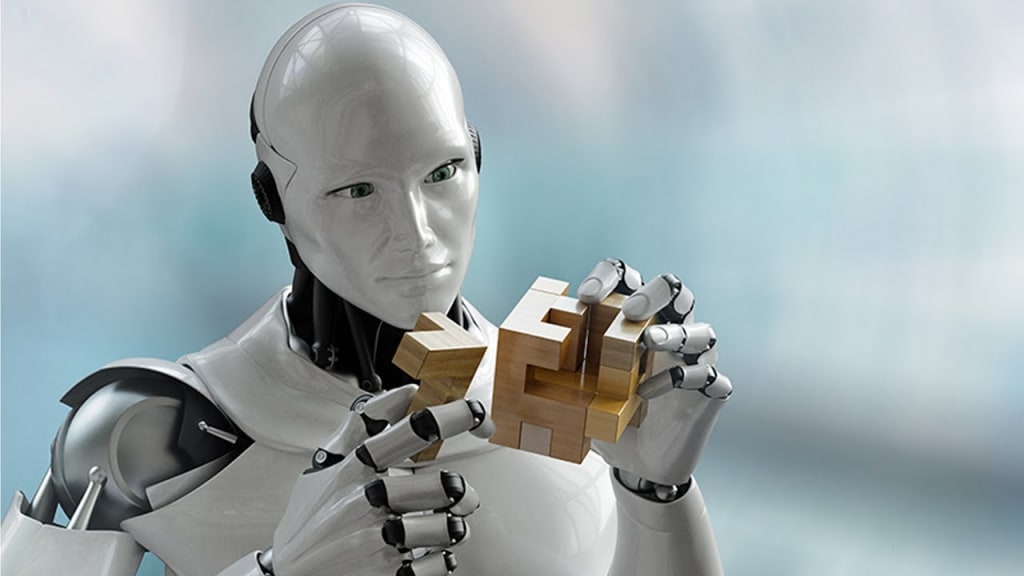
Introduction of Artificial Intelligence
Artificial Intelligence (AI) refers to the simulation of human intelligence in machines that are programmed to think and learn like humans. The field of AI research began in the 1950s, but it has seen significant advancements in recent years due to the availability of more powerful computers and the increase in data. AI is used in a wide range of applications, including self-driving cars, image and speech recognition, and natural language processing. The ultimate goal of AI research is to create machines that can perform any intellectual task that a human can, including understanding natural language, recognizing images and sounds, making decisions, and learning from experience.
How it would be growth of [AI] in 2023
In 2023, artificial intelligence (AI) has seen a significant increase in its capabilities and applications. Some of the key ways in which AI has grown include:
Advancements in machine learning:
Machine learning algorithms have become more sophisticated, allowing for more accurate and efficient data analysis and decision-making.
Increased use of natural language processing:
AI systems have become better at understanding and responding to human speech and text, making them more useful in a variety of applications such as customer service and personal assistants.
Development of autonomous systems:
Self-driving cars, drones, and other autonomous systems have become more prevalent, thanks to advances in AI.
Increased use in healthcare:
AI has been used to improve medical imaging, drug discovery, and patient diagnosis, resulting in more accurate and efficient healthcare.
Advancements in computer vision:
AI has become better at recognizing and understanding images and videos, making it useful in a wide range of applications such as security and surveillance.
Increased use in finance:
AI has been used to identify fraudulent transactions, assess credit risk, and analyze market trends, making the financial sector more efficient.
Overall, the advancements in AI have led to increased productivity, improved decision-making, and new opportunities for innovation in various fields.

1. Machine Learning:
The process of using algorithms and statistical models to enable machines to learn and improve their performance on a specific task without being explicitly programmed. Example: A self-driving car using machine learning to improve its ability to navigate traffic.
2. Natural Language Processing (NLP):
The use of AI to understand and respond to human language. Example: A virtual assistant like Siri or Alexa using NLP to understand and respond to spoken commands.
3. Computer Vision:
The use of AI to analyze and understand visual information, such as images and videos. Example: A security camera system using computer vision to detect and alert security personnel of suspicious activity.
4. Robotics:
The use of AI to control and program robots for various tasks, such as manufacturing or medical procedures. Example: A robot surgeon using AI to perform complex procedures with precision and accuracy.
5. Reinforcement Learning:
A type of machine learning where an agent learns by interacting with its environment and receiving rewards or penalties. Example: A game-playing AI that learns to improve its performance by receiving points or losing lives.
6. Deep Learning:
A subset of machine learning that uses neural networks with multiple layers to process and analyze large amounts of data. Example: An image recognition system using deep learning to identify objects in an image.
7. Generative Adversarial Networks (GANs):
A type of deep learning where two neural networks, a generator and a discriminator, work together to generate new, previously unseen data. Example: A GAN generating realistic images of faces or buildings.
8. Expert Systems:
A type of AI that mimics the decision-making abilities of a human expert in a specific field. Example: An AI-powered medical diagnosis system that can analyze patient symptoms and make treatment recommendations.
Is there end of artificial intelligence?
There is no definite "end" to the development of artificial intelligence, as research and advancements in the field are ongoing and constantly evolving. However, there may be certain goals or milestones that scientists and engineers aim to achieve in the development of AI. Additionally, the capabilities and capabilities of AI may have limits in certain areas and might not be able to achieve certain tasks or goals.
Artificial intelligence is controlling human?
No, artificial intelligence is not currently controlling humans. While AI systems can make decisions and perform tasks, they are still programmed and controlled by humans. However, there are concerns about the potential for AI to become too powerful and potentially harm humans if not properly controlled and regulated.

Artificial intelligence is dangerous for humans ?
There is a concern that artificial intelligence (AI) could potentially pose a threat to human safety and security if not properly controlled and regulated. Some potential dangers include:
Autonomous weapons:
AI-controlled weapons could make decisions and take actions without human oversight, which could lead to unintended consequences and loss of human life.
Job displacement:
As AI becomes more advanced and capable, it could replace human workers in many industries, leading to widespread unemployment and economic upheaval.
Biased decision-making:
AI systems may perpetuate and amplify existing societal biases, leading to unfair or discriminatory outcomes.
Privacy concerns:
AI systems that collect and analyze large amounts of personal data could be used to invade privacy and undermine civil liberties.
However, it is important to note that these potential dangers can also be mitigated through responsible development and regulation of AI. Additionally, the benefits of AI, such as improved efficiency and decision-making, could greatly benefit humanity as well.

Conclusion of artificial intelligence
In conclusion, artificial intelligence (AI) is a rapidly advancing field that has the potential to revolutionize various industries and improve our daily lives. It involves the development of computer systems that can perform tasks that typically require human intelligence, such as recognizing speech, understanding natural language, and making decisions. However, as with any new technology, there are also concerns about the potential negative impacts of AI, such as job displacement and privacy issues. It is important for society to continue to monitor and regulate the development and use of AI to ensure its benefits are maximized and its risks are minimized.
About the Creator
Reader insights
Outstanding
Excellent work. Looking forward to reading more!
Top insights
Eye opening
Niche topic & fresh perspectives
Easy to read and follow
Well-structured & engaging content
Excellent storytelling
Original narrative & well developed characters
Expert insights and opinions
Arguments were carefully researched and presented
Heartfelt and relatable
The story invoked strong personal emotions
Masterful proofreading
Zero grammar & spelling mistakes
Compelling and original writing
Creative use of language & vocab
On-point and relevant
Writing reflected the title & theme




Comments (2)
Super abi... Useful information 👍
Good Abi... Nice Information... Keep posting your information about many fields...