
5G NETWORK TECHNOLOGY IN 2023
The impact of 5G on internet speed and connectivity.

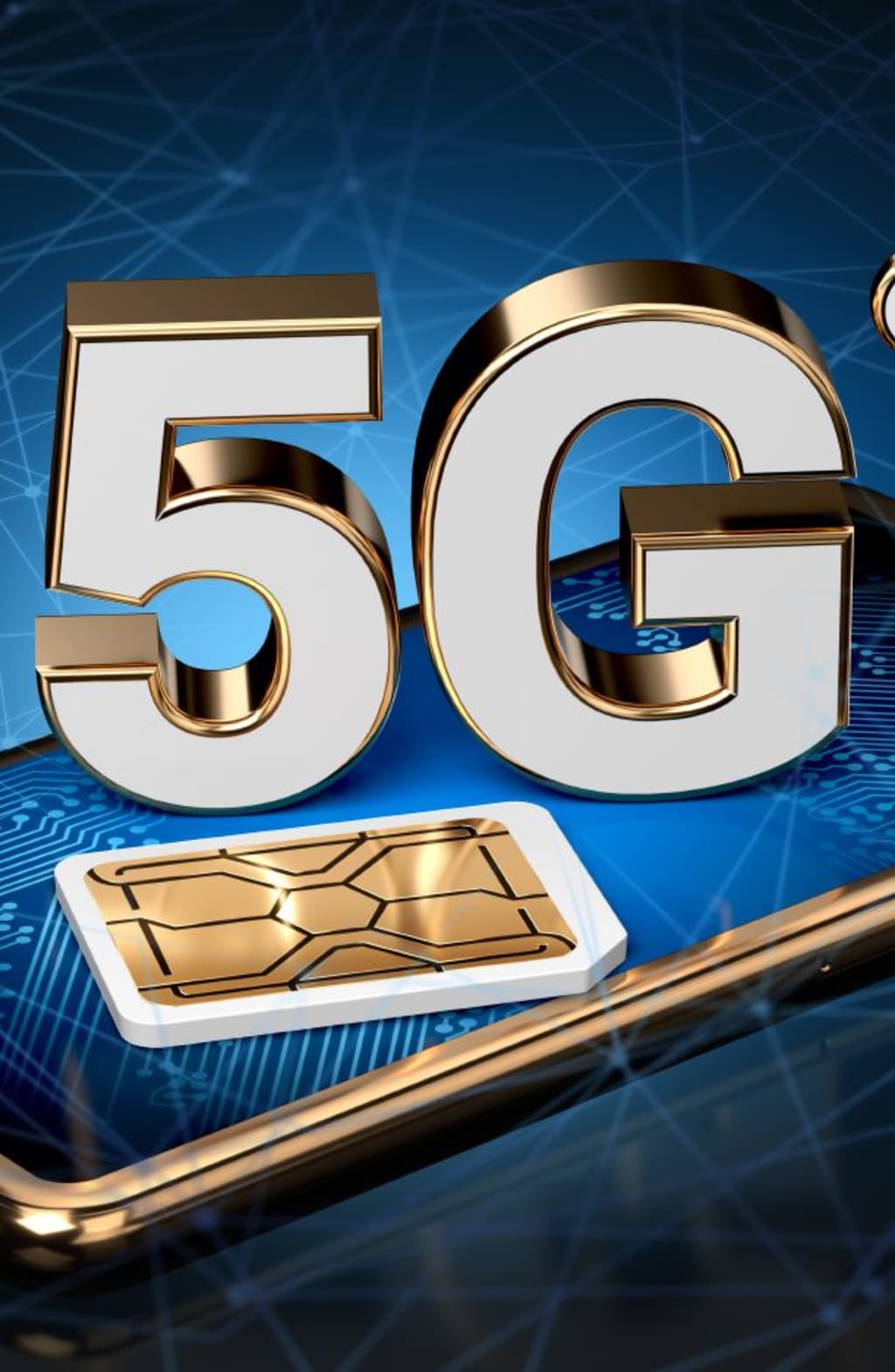
What is 5G Network?
5G technology is expected to bring significant improvements in internet speed and connectivity. With 5G, users can expect download speeds that are up to 100 times faster than current 4G networks, with a theoretical maximum of up to 20 Gbps. This means that users will be able to download large files, such as high-definition movies and games, much faster than before.
Additionally, 5G networks are designed to handle a much larger number of connected devices than current 4G networks. This means that the network will be able to support more devices without experiencing slowdowns or connection drops. This will be particularly beneficial for areas with high population density, such as cities, where many people rely on their devices to stay connected.
Another benefit of 5G is that it is designed to be more reliable and resilient than current networks. This means that users will experience fewer dropped calls and connection failures. This will be especially important for applications that require a constant and stable connection, such as self-driving cars and remote surgery
5G NETWORK IN 2023
It is expected that 5G networks will be widely available and adopted by 2023. This next generation of mobile networks will offer faster speeds, lower latency, and increased capacity compared to current 4G networks. This will enable new technologies such as the Internet of Things (IoT) and autonomous vehicles to function more efficiently and effectively. Additionally, 5G networks will also support new use cases such as virtual and augmented reality, making it a transformative technology for various industries. However, the roll-out of 5G networks will vary by country and region, with some areas having access to 5G before 2023.
The impact of 5G on the Internet of Things (IoT)
5G technology has the potential to greatly enhance the capabilities and reach of the Internet of Things (IoT). Here are some of the ways 5G could impact IoT:
Increased connectivity:
5G offers faster download and upload speeds, lower latency, and improved reliability compared to 4G. This means more devices can be connected to the internet at once, and they can communicate with each other more efficiently.
More advanced applications:
With 5G, IoT devices can handle more data and process it faster, enabling new and more advanced applications such as autonomous vehicles, smart cities, and industrial automation.
Wider coverage:
5G has a longer range than 4G, which means it can reach remote areas and devices that were previously out of range. This could enable new use cases such as monitoring and controlling industrial equipment in remote locations.
Increased security:
5G networks are more secure than 4G networks, with better encryption and authentication. This will be important for IoT devices, which are often used to control critical systems and collect sensitive data.
Cost-effectiveness:
5G can support a larger number of devices at a lower cost than 4G, which means it could be more cost-effective to deploy IoT devices.
Overall, 5G technology will greatly expand the capabilities and reach of IoT devices, enabling new and more advanced applications and providing more secure and cost-effective connectivity.
5G deployment strategies and challenges
Spectrum allocation:
One of the biggest challenges in deploying 5G networks is the availability of spectrum. In order to achieve the high speeds and low latency promised by 5G, large amounts of spectrum are needed. Governments around the world are currently working to allocate spectrum for 5G use, but the process can be slow and difficult.
Network infrastructure:
Building the infrastructure for 5G networks is a major challenge. 5G networks require more cell sites and small cells than previous generations of cellular networks. This can be difficult and costly to implement, especially in rural areas where infrastructure may be limited.
Interoperability:
5G networks will need to be able to work seamlessly with existing 4G and even 3G networks. This can be challenging as different operators may use different technologies and standards.
Security:
With the increased use of 5G networks, there are concerns about security and potential vulnerabilities. Ensuring the security of 5G networks will be critical to their successful deployment.
Cost:
The cost of deploying 5G networks is significant, and it can be difficult for operators to recoup their investments. This can be a barrier to deployment, especially for small operators.
Regulation:
Different countries have different regulations for 5G deployment, which can make it difficult for operators to move forward with their deployment plans.
Backhaul:
In 5G networks, the backhaul (the links between the cell sites and the core network) is critical for performance. As 5G networks rely on a large number of small cells, the backhaul must be able to handle the increased traffic and provide the required bandwidth and low latency.
Interference:
5G networks operate in a much higher frequency range than previous generations of cellular networks, which can make them more susceptible to interference. This can be a challenge for operators, as they will need to find ways to mitigate interference in order to provide reliable service.
About the Creator
Reader insights
Outstanding
Excellent work. Looking forward to reading more!
Top insights
Excellent storytelling
Original narrative & well developed characters
Easy to read and follow
Well-structured & engaging content
Eye opening
Niche topic & fresh perspectives
Heartfelt and relatable
The story invoked strong personal emotions
Masterful proofreading
Zero grammar & spelling mistakes
Compelling and original writing
Creative use of language & vocab
On-point and relevant
Writing reflected the title & theme
Expert insights and opinions
Arguments were carefully researched and presented
Twitter Down
Twitter Down When a major social media platform like Twitter experiences technical problems, millions of users immediately search for answers. Twitter, also known as X, plays a central role in news sharing, public discussion, and real time updates, so even short disruptions can feel significant. Recently, many users have reported difficulties accessing Twitter, loading timelines, posting content, or using certain features. This has led to widespread questions about whether Twitter is down, why it happens, and what users should expect. This article answers the most common questions people search for and explains the situation clearly.
By America today 5 days ago in 01
Navigating Cryptocurrency Asset Recovery
The challenging environment of digital asset theft and loss has given rise to a specialized sector focused on recovery. This field consists of companies with distinct operational models, from direct investigation to technical support and foundational analytics. The following outlines five notable entities often referenced in this space, categorized by their primary function.
By Milan Robertsabout 20 hours ago in 01




Comments (3)
Very nice and wonderful article Abi...
Very nice and wonderful article Abi...
Nice article abi. It's very useful and needy article to know about our upcoming technology. 👍👍