
Zero Oil Cooking: The Modern Age Skill That Every Kitchen Needs
Transform Your Health, Reclaim Flavor, and Future-Proof Your Kitchen — One Oil-Free Meal at a Time.
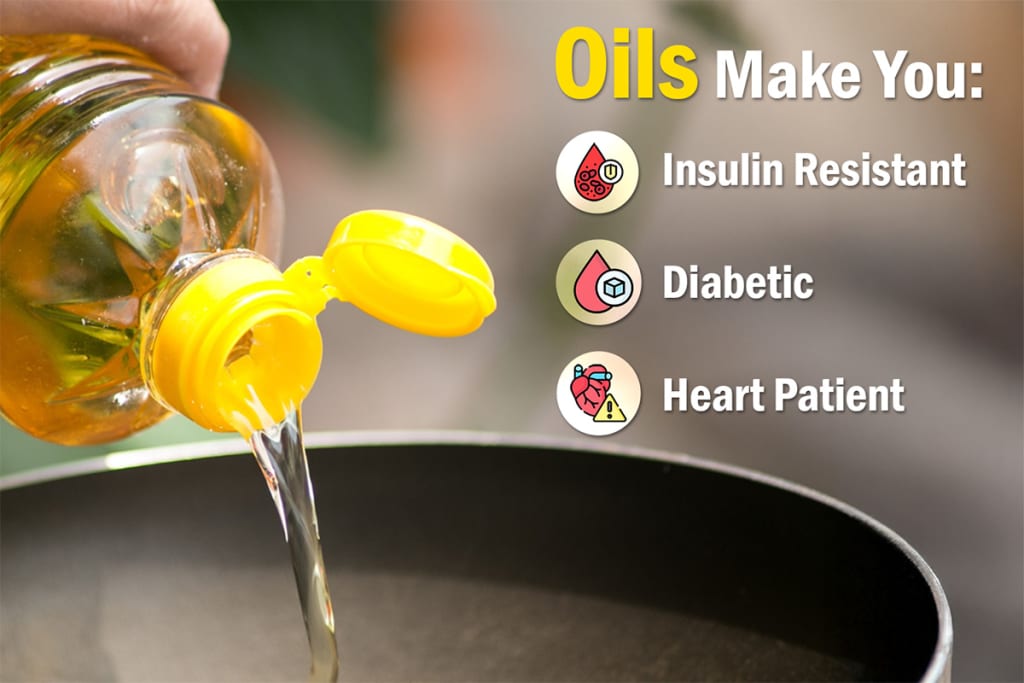
In a world filled with dietary trends, buzzwords, and confusing nutrition advice, one phrase has stood the test of time — and the science — zero oil cooking. Once seen as extreme, it’s increasingly becoming a mindful lifestyle choice, a medically validated intervention, and a culinary art.
But let’s be honest. Most people still believe “zero oil” equals “zero flavor.” Or worse — “boiled and bland.”
It’s time to retire that myth.” Because today’s zero oil cooking is not about deprivation — it’s about transformation. Of your health, your taste, and your understanding of what it means to nourish your body.
This isn’t yet another list of oil substitutes. It’s a reality check, a guide to building skills, and a fierce preview of how zero-oil cooking is shaping the future of food, particularly in India, which is experiencing skyrocketing rates of heart disease and diabetes and where food remains our best medicine.
Why Zero Oil Cooking Isn’t Simply a Trend — It’s a Life-Saving Necessity
The data doesn’t lie. Cardiovascular diseases are the biggest killer in India, responsible for more than 28% of total deaths. Up to 65 percent of heart ailments are linked to oil consumption, particularly tinned, re-heated oils, according to ICMR and WHO studies.
When cooking with oil, most Indian households use two to five times more than is medically recommended — and often without even being aware of it. The surplus turns into cholesterol, plaque, triglycerides, insulin resistance, and ultimately, a trip to the hospital.
Zero oil cooking is no longer the exclusive prerogative of patients with the most extreme health issues. It is now endorsed as the key dietary change by leading cardiologists, lifestyle physicians, and preventive health specialists — one that can eliminate medication dependence, reverse lifestyle-disorders and massively improve metabolic indicators.
What Is Zero Oil Cooking?
Let’s set this straight:
Oil-free cooking doesn’t equal fat-free cooking! It means no added oil.
There’s a big difference.
Healthy fats are still on the menu — from nuts, seeds, avocado, olives, soybeans, and even some whole grains. What we’re eliminating are the empty, processed, inflammatory oils used when cooking — mustard, olive, refined, ghee, or coconut oil.
This approach:
Replenishes essential fatty acids via whole foods
Removes trans fats and oxidized lipids created upon heating
Encourage nutrient-dense foods instead of calorie-dense fats
Put another way, it’s smart eating, not restrictive eating.
Delhi’s “Zero Oil Families”: An Expanding Movement
Consider the example of 42-year-old Nidhi and Rohit Sharma, a couple based in South Delhi. Rohit was found to have coronary artery disease and was advised to undergo an angioplasty. With her passion for home cooking, Nidhi never lost hope.
“I gave up all oil,” she says. “I reinvented my kitchen. My sabzi, dal, even parathas — all zero oil.”
Three months later, Rohit’s cholesterol and angina levels were substantially better. His doctor postponed the procedure.
This isn’t an isolated story. Zero oil cooking classes, recipe groups , and online forums are booming across metro cities, including Delhi, Bangalore, and Mumbai. People are no longer waiting to get the illness — they’re opting for prevention.
The Five Principles of Successful Zero Oil Cooking
This is where the majority of blogs leave off with “steam your veggies.” We won’t.
To do zero-oil cooking sustainably, you have to understand the fundamental techniques and the psychology behind it:
Rebuild the Flavor Matrix
Fat carries flavor, but so do spices and caramelization. Build depth with:
Dry-roasted masalas
Tomato paste reductions
Kasuri methi, tamarind, lemon, black salt
Charred onions or garlic base
Zero oil doesn’t mean zero layers of flavor. You just create them differently.
Master Water-Sautéing
A method in which you utilize a tablespoon of water or vegetable stock when sautéing onions, garlic, or masalas, slowly, with mindfulness. Use a heavy-bottom pan, stir often, and allow the ingredients to caramelize on their own time.
Have a Mindset Shift About Texture
The oodles of oil we crave are, for the most part, mouthfeel. Replace that with:
Toasted nuts or seeds for sprinkling on top
Creaminess from plant-based yogurt
Oats and dal mixes for binding and crisping of patties or tikkis
Texture isn't lost. It's just reimagined.
Use Non-Stick, Cast Iron, or Ceramic Cookware
Your tools matter. A well-seasoned cast iron pan gives the perfect crust without a drop of oil. An air fryer becomes your best friend. A silicon baking sheet? A lifesaver for roasted snacks.
Cook, Not Out of Obligation But Out of Emotion
Zero oil isn’t a punishment. When cooking is a mindful act of self-care, the food demonstrates that. Experiment, hone, and revel in the process of re-establishing health sovereignty.
Nutrition Math: How Much You Save With Zero Oil Cooking
Let’s crunch a quick number.
1Tbsp of oil = 120 calories
Medium Indian meal (3tbsp oil) = 360 additional calories
Week = 2,500+ calories saved
That’s almost 1 kg of fat saved every month, without you changing anything else.
Now throw in the reduced LDL, better liver function, greater insulin sensitivity, and less inflammation. The effect is not only visible — it’s quantifiable.
Doctor Approved: What Cardiologists and Nutritionists Recommend
The heart and lifestyle expert and founder of the Saaol Heart Program, and one of the pioneers of zero oil cooking over the last 30 years, Dr. Bimal Chhajer, has been prescribing zero oil cooking for his patients.
“Our research on thousands of patients shows that zero oil cooking combined with a plant-based diet and stress control can even clear heart blockages. It’s not theory. It’s real science.”
Even the leading nutritionist, Garima Arora agrees:
“Oil is not a health food. With Internet Marketing, the truth has been warped. The healthiest communities on earth eat food close to nature — unrefined, unprocessed, and cooked without oil.”
Zero Oil Cooking in Indian Cuisine — Yes, It Works
Whether chole, rajma, sambhar, poha, tikkis, biryani, or sweets — we can make zero oil versions of all the Indian dishes.
Key examples:
Tandoori gobi made in the oven with a spice marinade
Moong dal halwa with date puree and roasted flour
Zero oil sambhar with tempering done in the dry-roast style
Stuffed parathas, dry-roasted and brushed with soy yogurt
There’s a reason that health retreats and disease-reversal centres now serve fully oil-free thalis — and patients are loving them.
Conclusion: Cooking Without Oil Isn’t for the Sick — It’s for the Smart
In the next five years, zero oil cooking won’t be an exception. It will be a global norm, just like how smoking was once cool and is now unacceptable. The decision is yours: wait for disease to force the shift, or choose the path of proactive, conscious living. If you care about energy, longevity, clarity, and protecting your organs, this is the kitchen skill worth mastering.
Not just for your body, but for your family’s legacy of health.
FAQs
Q: Can I do zero oil cooking and still get enough healthy fats?
Yes. Include nuts, seeds, avocado, olives, and tofu. You get more bioavailable, anti-inflammatory fats from these sources than from any oil bottle.
Q: Will I lose taste in my food without oil?
Not if you follow flavor-building techniques. Most people say their taste buds actually sharpen after two weeks of zero oil food.
Q: Is zero-oil cooking safe for children and athletes?
Absolutely. Just ensure adequate calories and protein. Use nutrient-dense foods like coconut, legumes, and whole grains.
About the Creator
Amit Singh
I am a dedicated medical writer with a passion for translating complex medical information into engaging and accessible content. With a background in medical education, I have contributed to numerous publications and online platforms.
Keep reading
More stories from writers in Feast and other communities.
Flavorful Feast
The Chinese New Year's Eve dinner, or Nian Ye Fan, is more than just a meal—it’s a cherished tradition filled with symbolic dishes that represent wishes for prosperity, health, and good fortune in the coming year. These ten classic homestyle recipes are perfect for creating that special festive spread at home. They balance flavor, meaning, and tradition, ensuring your family table is both abundant and auspicious. Let's get cooking!
By yue . shuia day ago in Feast
Cabin Fever Because of Snow, Sleet, and Freezing Rain That Turned to Icy Roads
What Is Cabin Fever? The short answer is that cabin fever is restlessness from being in a confined area. Cabin fever is the distressing irritability or restlessness experienced when a person or group is stuck at an isolated location or in confined quarters for an extended time. Research shows that prolonged cold, gray skies, and being stuck indoors can trigger mood shifts similar to “winter blues.”
By Margaret Minnicksabout 22 hours ago in Humans
A Love Forboding
The chipped stone slope caused unbearable footing. I slid, skirting on my heels. I cast my shield, relinquishing my guard to stay upright. Left with my double-edge and a prayer to the maker, I skated toward my objective. The earthly stubble gave way to solid ground. I found myself restored, a trail of dust in my wake.
By James U. Rizzi2 days ago in Fiction


Comments
There are no comments for this story
Be the first to respond and start the conversation.