
Why Your Brain Loves When Art and Food Collide
A Lesson in Emotional Branding

I. A Taste of Memory: Why the Brain Is Wired for Sensory Connection
Imagine this: you’re watching a film, and at a pivotal moment, you’re served a dish that mirrors the scene’s emotion. The flavors, the visuals, the sounds — all converge, creating a memory that’s hard to forget. This isn’t just a delightful coincidence; it’s the power of engaging multiple senses simultaneously.
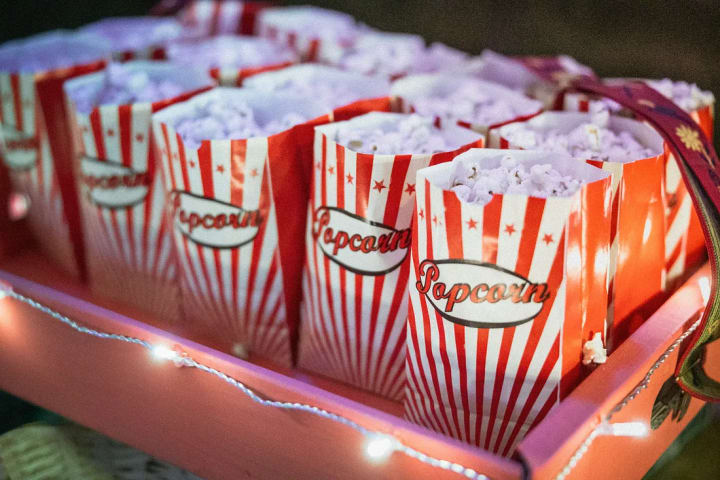
Photo by Corina Rainer on Unsplash
Our brains are designed to process sensory information collectively. When multiple senses are stimulated together, it enhances our emotional responses and memory retention. This phenomenon is the foundation of multisensory brand experiences.
II. The Neuroscience of Multisensory Experiences
The human brain thrives on sensory input. Engaging more than one sense can significantly enhance how we perceive and remember experiences. This is due to a process called multisensory integration, where the brain combines information from different senses to form a cohesive perception.

Photo by Hal Gatewood on Unsplash
Table 1: Impact of Sensory Engagement on Memory Retention
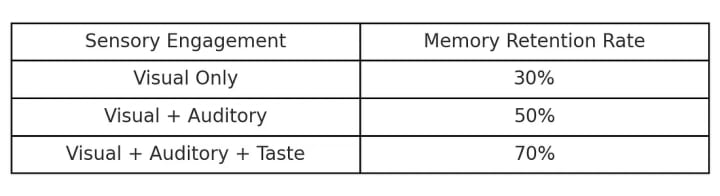
Source: Lindstrom, M. “Brand Sense”
By tapping into multiple senses, brands can create more impactful and lasting impressions on their audience.
III. How Art and Food Stimulate Emotion Differently — But Powerfully
Art and food, while distinct, both have profound effects on our emotions. Visual art can evoke feelings through color, composition, and subject matter. Food, on the other hand, can trigger memories and emotions through taste and aroma.

Photo by Toa Heftiba on Unsplash
When combined, they create a layered experience. For instance, pairing a visually striking dish with ambient music or a thematic setting can elevate a simple meal into a memorable event. This synergy is at the heart of multisensory brand experiences.
IV. Emotional Branding: Making the Experience the Product
Emotional branding focuses on creating a bond between the brand and the consumer by appealing to their emotions. It’s not just about selling a product; it’s about selling an experience.

Photo by Meg Boulden on Unsplash
Brands that successfully engage multiple senses can foster deeper emotional connections, leading to increased loyalty and advocacy.
Table 2: Emotional Engagement vs. Brand Recall
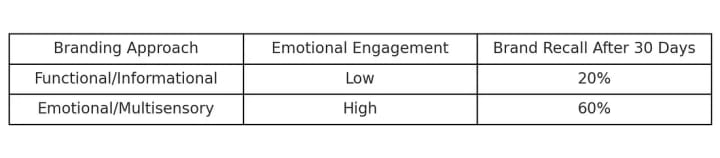
Source: Harvard Business Review, 2023
By focusing on the emotional aspects of the consumer experience, brands can differentiate themselves in a crowded marketplace.

Photo by Lidya Nada on Unsplash
V. Case Study 1: Eatable — Fusing Film, Food & Feeling
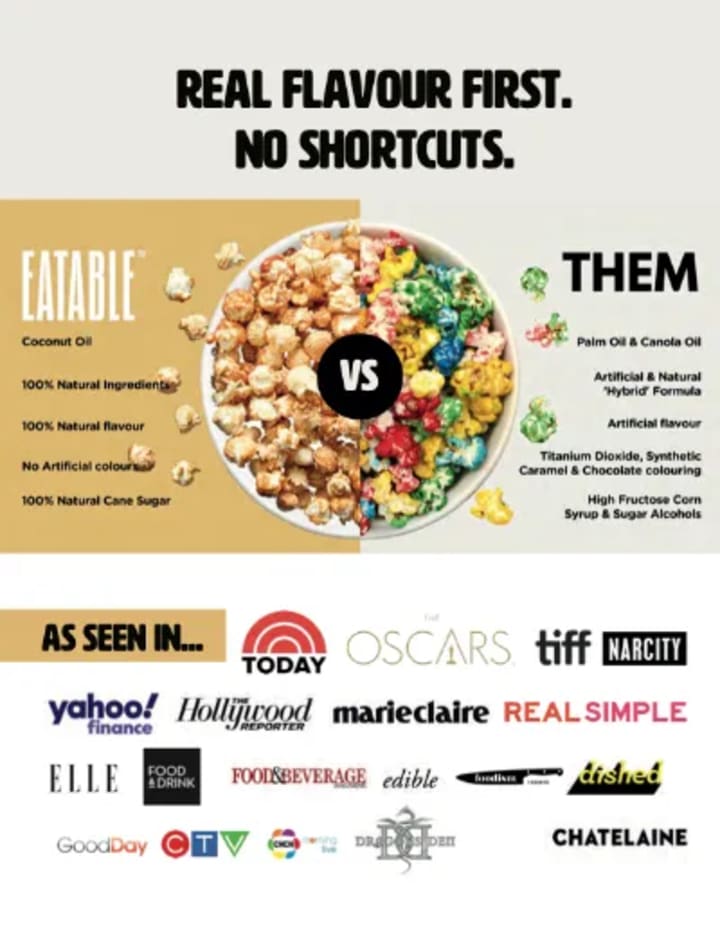
Eatable is a platform that curates film screenings paired with themed menus, creating immersive experiences that engage multiple senses.
Purpose: To enhance storytelling through synchronized culinary and cinematic experiences.
Execution: Curated menus themed to films, timed courses to dramatic arcs, and designed environments.
Outcome: Increased audience engagement, social media buzz, and a loyal customer base.
Experiences like this one use cinematic immersion and fine dining to build lasting impressions. It’s not just food on a plate — it’s curated storytelling on the tongue.
VI. Case Study 2: Sensorium — The Luxury Pop-Up That Turned Dinner Into a Dreamscape
Sensorium is a luxury pop-up dining experience that takes guests on a sensory journey by integrating changing light colors, soundscapes, and aromatic elements with each course.
Purpose: To create a dining experience that stimulates all senses.
Execution: Sensory-controlled environments, shifting light colors with each course, soundscapes designed to heighten flavor perception.
Outcome: High customer satisfaction, media coverage, and repeat patronage.
By crafting an environment where every sense is considered, Sensorium offers a dining experience that’s both unique and memorable.
VII. Practical Takeaways: How You Can Use This in Your Own Brand or Experience
For Creatives: Incorporate sensory elements into your content to enhance audience engagement.
For Marketers: Design campaigns that stimulate multiple senses to create a deeper connection with your audience.
For Event Planners: Create immersive environments that engage all senses, leaving a lasting impression on attendees.
For Product Developers: Consider how design and experience influence emotional reactions, not just functionality.
By thoughtfully integrating sensory elements, brands can create experiences that resonate on a deeper emotional level.
VIII. Personal Reflection
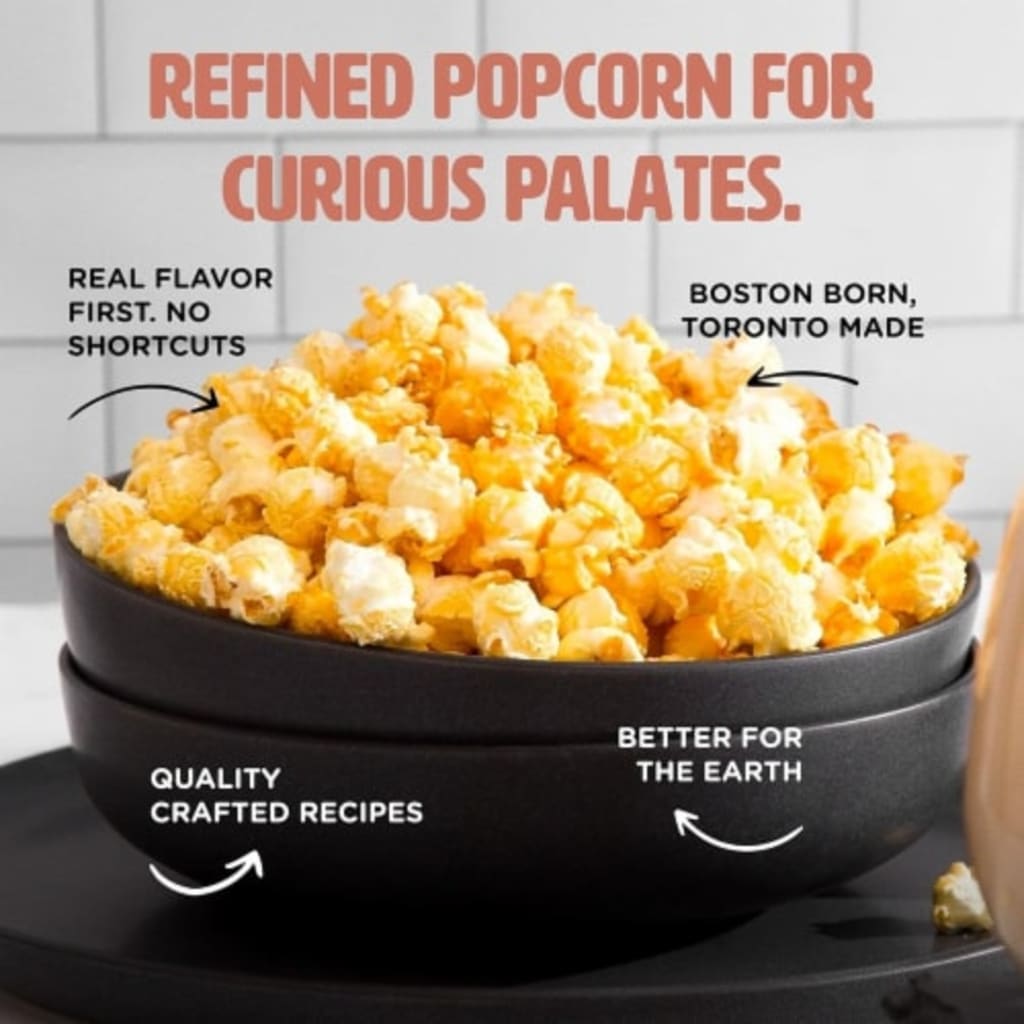
Just like that, Eatable’s popcorn caught my attention. It wasn’t just the taste — it was the entire experience. The visual appeal, the aroma, the texture — all combined to create a memorable moment. This approach aligns with the principles of multisensory brand experiences, where engaging multiple senses can deepen emotional connections with a brand.
Have you guys checked out that pop it brings? No pun intended! Their popcorn made me grab a bite just to see if it would satisfy my brain’s sensories, and before I was even aware — voilà! I found myself eager to help them share their vibrant, flavorful creations. Want a bite too? Eatable Popcorn is their name.
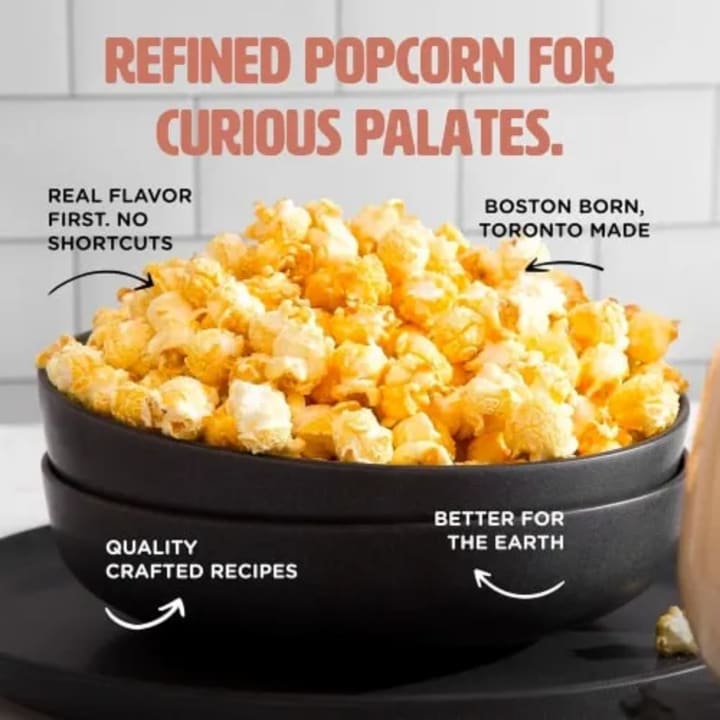
Reflecting on this, I realized how powerful such experiences can be. When a product engages multiple senses, it creates a lasting impression that goes beyond the initial interaction. It’s not just about taste or sight; it’s about the holistic experience that resonates emotionally.
About the Creator
CaribCr8 | Crowdfunding Websites for Startups
CaribCr8 is a full-service crowdfunding marketing agency that helps through creative strategy, content production, influencer marketing, and performance optimization.
Keep reading
More stories from CaribCr8 | Crowdfunding Websites for Startups and writers in Feast and other communities.
Decaf Tea, The Ordinary Cup With Real Benefits
Decaf Tea, The Ordinary Cup With Real Benefits Many people think a cup of decaf tea is somehow weaker or pointless. That idea is not really true. The facts about decaffeinated tea show that it can be a very good choice, especially for people who want the comfort of tea without the strong effect of caffeine.
By George’s Girl 2026 about 17 hours ago in Feast
Widow invests $800,000 to start hawker culture experience centre in honour of late husband
In a touching tribute to love, memory, and cultural heritage, a Singaporean widow has invested nearly $800,000 to establish a hawker culture experience centre dedicated to preserving and celebrating the vibrant food traditions that her late husband cherished throughout his life. The centre, which opened recently in Singapore, aims to provide visitors with an immersive journey into the country’s beloved hawker culture while honouring the legacy of a man who spent decades supporting local food vendors. The project was initiated by Lim Mei Hua, whose husband, Tan Wei Chong, passed away three years ago after a long illness. Tan was widely known among friends and family as a passionate supporter of traditional hawker stalls and frequently spent his weekends exploring different food centres across Singapore. According to Lim, the idea of creating a space dedicated to hawker heritage had long been one of her husband’s dreams. “He always believed that hawker culture was the heart of Singapore,” Lim said during the centre’s opening ceremony. “After he passed away, I wanted to do something meaningful that would keep his passion alive and allow future generations to understand why these traditions matter.” Singapore’s hawker culture is a cornerstone of the nation’s identity. The bustling open-air food centres, filled with vendors serving affordable and diverse dishes, reflect the multicultural roots of the country. In recognition of its cultural importance, UNESCO added Singapore’s hawker culture to its Representative List of the Intangible Cultural Heritage of Humanity in 2020. Lim’s experience centre is designed to showcase this heritage through interactive exhibits, live cooking demonstrations, and storytelling sessions led by veteran hawkers. Visitors can learn about the origins of iconic dishes such as Hainanese chicken rice, Laksa, and Char kway teow, while also exploring the personal journeys of the hawkers who prepare them. The centre includes a small exhibition gallery featuring photographs, kitchen tools, and handwritten recipes collected from hawker families across the city. Many of these items date back decades, offering a glimpse into how culinary traditions have been passed down through generations. One section of the centre recreates a traditional hawker stall environment, allowing visitors to experience what it feels like to work behind the counter during a busy lunch rush. Young participants can try their hand at simple cooking techniques while learning about the discipline and dedication required to master hawker cuisine. Local hawkers have warmly welcomed the initiative. Many worry that younger generations may be less interested in taking over family stalls, which often involve long hours and physically demanding work. By highlighting the cultural significance of these businesses, Lim hopes the centre will inspire renewed appreciation among the public. “Hawker food is not just about eating,” said veteran vendor Ong Kee, who participated in one of the centre’s demonstration sessions. “It’s about history, family, and community. Places like this help remind people why our traditions should continue.” Beyond cultural preservation, the experience centre also aims to support hawkers economically. A portion of ticket sales will be directed toward training programs for aspiring food vendors, helping them learn both traditional recipes and modern business skills. Lim believes this approach can help sustain the industry while adapting to changing times. Tourism officials in Singapore have also expressed optimism about the centre’s potential to attract international visitors interested in culinary experiences. Food tourism has become an increasingly important part of the country’s travel industry, with visitors eager to explore authentic local cuisine. For Lim, however, the centre’s true purpose goes far beyond tourism or business success. Every corner of the space reflects memories of her husband—his favorite dishes, the stalls he frequently visited, and the stories he loved to share. “Whenever I see people enjoying the exhibits or learning about hawker culture, I feel like his spirit is still here,” she said quietly. “This place is not just about the past. It’s about keeping something precious alive.” Through her remarkable gesture, Lim has transformed personal grief into a lasting tribute that celebrates love, heritage, and the enduring power of food to bring communities together. Her $800,000 investment ensures that the spirit of Singapore’s hawker culture—and the memory of the man who cherished it—will continue inspiring generations to come.
By Fiaz Ahmed 6 days ago in Feast



Comments (2)
The idea of multisensory brand experiences is really interesting. I remember a time when I attended an event where they combined great food with cool visuals. It made the whole thing more memorable. How do you think brands can better use this concept to stand out? Also, I wonder if there are limits to how many senses a brand can effectively engage at once. Maybe it could get overwhelming? What are your thoughts on that?
This multisensory stuff is really interesting. I remember once at a tech expo, they had these interactive displays that engaged sight, touch, and even a bit of sound. It made the whole experience way more memorable. You mention art and food creating a layered experience. Have you ever been to an event where they combined the two in a really unique way? I'm curious how that turned out. Also, how do you think brands can better utilize multisensory integration to stand out?