
What Are The Key Differences Between Espresso And Brewed Coffee?
Yes, espresso and coffee differ significantly from each other. While they are both coffee and caffeine-packed drinks, their different preparation methods result in some highly distinct traits.

Espresso or Coffee? This is a long-standing debate. There is a constant back and forth between espresso and coffee lovers regarding which is better, more caffeinated, and hits you almost perfectly. If you want to strengthen your stance, you need to know what are the key differences between espresso and brewed coffee.
And when it comes to coffee, a coffee lover demands facts and no cap. So, for a reliable source of knowledge to find out everything there is to know about espresso and coffee, make Espresso Coffee Time your one and only go to! We tell you, this is the place for you if you want to avoid misinformation.
Key Differences Between Espresso & Coffee: Let’s begin by what they are!
Espresso:
Espresso is basically a way to prepare concentrated coffee in small quantities called the ‘shots.’ Ideally, espresso is prepared in espresso machines. The preparation method involves forcing pressurized hot water through finely-ground coffee in a filter. What results is an intense liquid that will wake your eyes wide open!
Espresso can be enjoyed on its own (if you have a thing for the bitter flavors). Or, you can pair it with milk, syrups, and other ingredients to create mouth-watering specialty beverages.
Brewed Coffee:
Coffee is another caffeinated beverage. However, brewed coffee lacks the nitty-gritty or optimal temperature, pressure, and espresso machines. It is easily and simply prepared by brewing roasted and ground coffee with hot water.
Coffee is a lot about the type of roast for the coffee beans you use. They range from dark roast to light roast, however, Starbucks has recently introduced a new variety: the ‘Blonde roast.’ You may wanna try that out!
What distinguishes Espresso from Coffee and Vice Versa?

Mostly, espresso and brewed coffee differences are stated about their preparation methods. However, we’ll discuss their differences in detail across various factors!
Grind Size:
For espresso, you can simply not compromise on the grind size. In order for your espresso machine to brew the perfect shot of espresso, the coffee beans need to be finely ground. Many espresso machines do the job for you with their built-in grinders. However, in other cases, you’ll need to ensure a fine ground size.
Coffee, on the other hand, has no strict demand for grind size. It mostly depends on the brewing method. For instance, a French Press requires coarse beans whereas for filter coffee the beans will need to be finer.
Brewing Time:
Brewing espresso in an espresso machine takes mere seconds. If you’re a fan of instant gratification then espresso is your thing. In fact, most machines brew two shots at a time which saves a lot of time.
However, coffee brewing requires more time. You’ll need at least five minutes to brew a large batch. Whereas espresso takes barely a fraction of that time to pull more shots.
Liquid Texture:
Despite both the drinks being prepared using ground coffee beans, their textures differ. Due the pressurized system of the espresso machine, espresso boasts a thicker texture because of the higher amount of dissolved coffee.
Roast Type:
Typically, espresso is made using dark roast beans. Dark roast beans have minimal to no acidity. Hence, they add sweet and chocolatey flavors to the espresso shot. This is the perfect combination to the strong bitterness of the drink.
Caffeine Content:
One can easily assume espresso to have less caffeine content compared to brewed coffee since it’s consumed in such small quantities. However, that is a grave mistake! Espresso has a much higher caffeine content than your average coffee and it is precisely because of its small quantity.
Espresso is highly concentrated with less water and more flavors, oils, and other elements including caffeine extracted from the beans in a higher amount. Whereas when you brew your coffee, it is not as concentrated or packed with various coffee elements.
Where 8 ounces of coffee can have between 70 to 140 mg of caffeine, a mere 1.5 ounces of espresso can be loaded with 70 to 80 milligrams of caffeine.
Bottom Line
So, the bottom line is, yes, espresso and coffee differ significantly from each other. While they are both coffee and caffeine-packed drinks, their different preparation methods result in some highly distinct traits.
We would sum the key differences between espresso and brewed coffee, in one word: intensity. All the differences basically only lie around the higher intensity of everything in espresso compared to coffee!
With that knowledge, choose your caffeinated drinks wisely (especially keeping your body tolerance in mind). And caffeinate yourself away to coffee heaven!
About the Creator
Keep reading
More stories from writers in Feast and other communities.
My Tous les Jours Trip
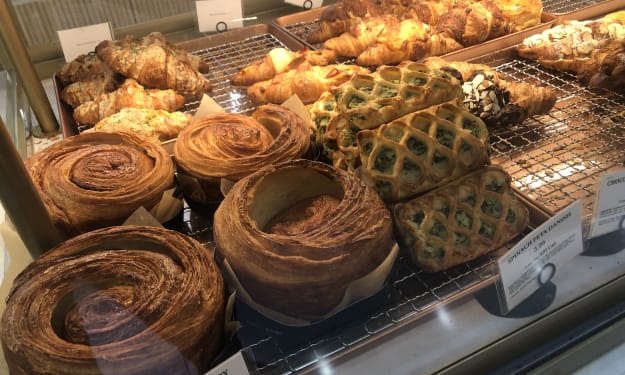
As someone who lives in a rural area, I don't get the chance to visit fancy restaurants or bakeries that often. So, when a friend told me about a French-Asian bakery that's less than an hour away, I knew I had to check it out and grab some pictures for social media. Tous les Jours ended up providing an immersive experience that went above and beyond my expectations--although I did leave with a few reservations.
By Kaitlin Shanks26 days ago in Feast
Searching for the Best Pizza in Doha
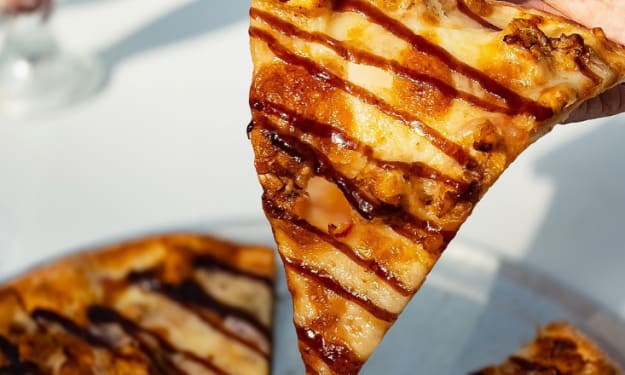
The search for the best pizza in Doha doesn’t begin with a map or a list. It usually starts with a feeling. Hunger, yes—but also nostalgia, comfort, or the simple desire to slow down at the end of a long day. Doha is a city that moves quickly, shaped by ambition and constant change, yet food often becomes the place where life briefly pauses. Pizza, though not native to Qatar, has quietly earned its place in that pause.
By Harley Morris3 days ago in Feast


Comments
There are no comments for this story
Be the first to respond and start the conversation.