
Vegan Pad Thai - Mastering Thailand’s Signature Dish with a Plant-Based Twist
Discover the Vibrant Flavors of Thailand with a Vegan Pad Thai Recipe - A Perfect Blend of Sweet, Sour, and Umami for Plant-Based Food Lovers

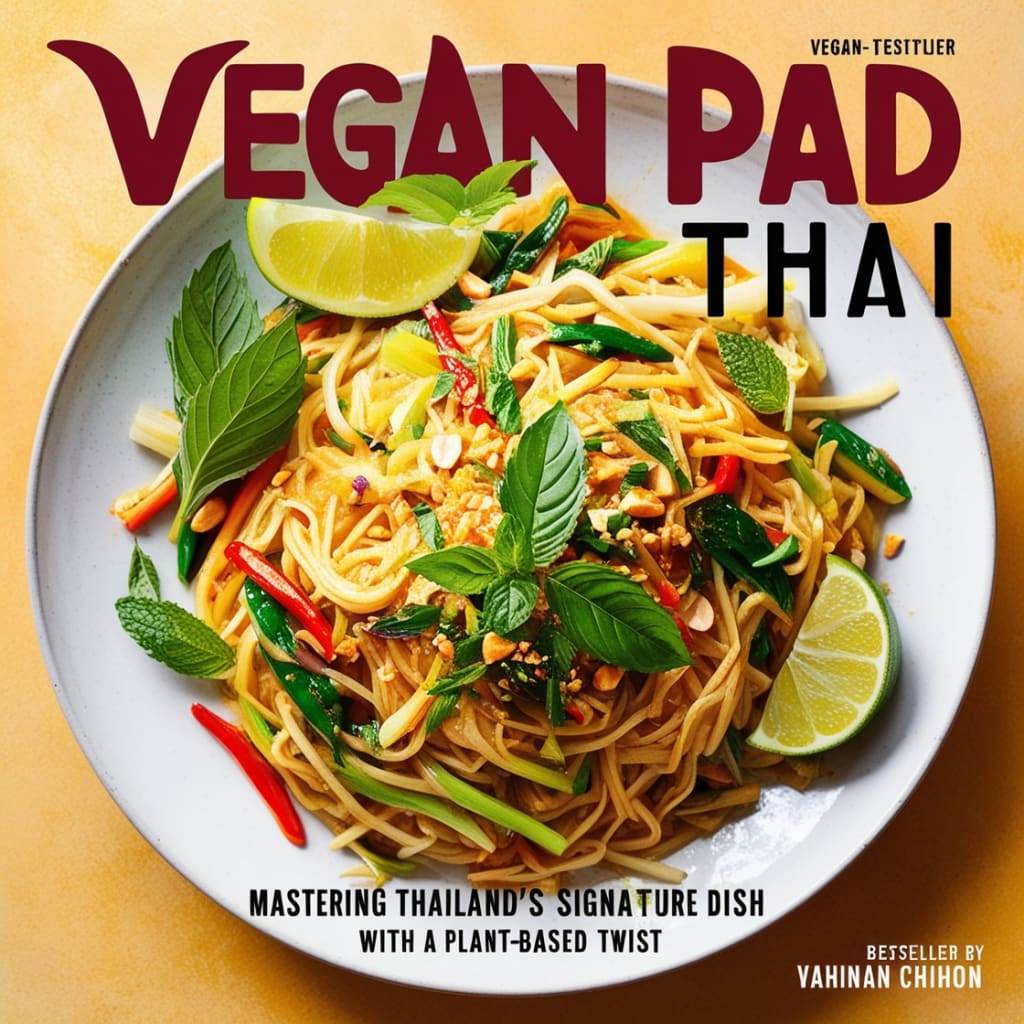
Vegan Pad Thai - Mastering Thailand’s Signature Dish with a Plant-Based Twist
Discover the Vibrant Flavors of Thailand with a Vegan Pad Thai Recipe - A Perfect Blend of Sweet, Sour, and Umami for Plant-Based Food Lovers
Introduction
Thailand is famous for its vibrant cuisine, and Pad Thai is one of its most iconic dishes, loved by food enthusiasts worldwide. Traditionally made with stir-fried rice noodles, shrimp or chicken, and a savory sauce, Pad Thai offers a perfect balance of sweet, salty, and tangy flavors. However, as plant-based eating grows in popularity, many are now enjoying this beloved dish in its vegan form. In this article, we’ll explore the origins of Pad Thai, the benefits of vegan ingredients, and a step-by-step guide to making an authentic Vegan Pad Thai at home.
Whether you’re a seasoned vegan or just curious about exploring plant-based recipes, this article will provide all the information you need to create a satisfying and flavorful Vegan Pad Thai. We’ll delve into ingredient substitutions, variations, and helpful cooking tips to ensure your dish is as delicious as its traditional counterpart.
Table of Contents
1. The History of Pad Thai: Thailand’s National Dish
2. Why Vegan Pad Thai?
3. Health Benefits of Vegan Pad Thai
4. Key Ingredients in Vegan Pad Thai
5. Step-by-Step Vegan Pad Thai Recipe
6. Vegan Substitutes for Traditional Pad Thai Ingredients
7. Customizing Your Vegan Pad Thai
8. Tips for Making the Best Vegan Pad Thai
9. Serving Suggestions and Accompaniments
10. Frequently Asked Questions about Vegan Pad Thai
11. Conclusion: Bringing the Flavors of Thailand into Your Vegan Kitchen
1. The History of Pad Thai: Thailand’s National Dish
Pad Thai is a staple street food and one of Thailand’s most famous dishes. Its origins can be traced back to the early 20th century, during a time of nationalism in Thailand under the leadership of Prime Minister Plaek Phibunsongkhram. He promoted the dish as part of a larger campaign to build national identity and reduce rice consumption by using rice noodles instead.
Despite its modern association with Thailand, Pad Thai was influenced by Chinese immigrants who introduced stir-frying techniques and noodles to Thai cuisine. The dish soon evolved into the uniquely Thai version we know today, featuring bold flavors from tamarind, fish sauce, and peanuts.
While the original Pad Thai recipe includes shrimp or chicken, the vegan version replaces these ingredients with tofu and plant-based alternatives, making it suitable for those following a plant-based or vegan lifestyle.
2. Why Vegan Pad Thai?
Switching to a vegan version of Pad Thai opens up a world of possibilities for those who want to enjoy this Thai classic without using animal products. Choosing a plant-based version of this dish aligns with a growing global movement toward sustainable eating and a more ethical approach to food production. Whether you're vegan for ethical, environmental, or health reasons, Vegan Pad Thai offers the same bold, satisfying flavors with a healthier twist.
One of the greatest advantages of Vegan Pad Thai is its versatility. You can easily substitute traditional ingredients like fish sauce and eggs with vegan alternatives while keeping the balance of sweet, salty, sour, and umami intact. For those who are lactose-intolerant, egg-free, or avoiding animal products for other reasons, this dish provides a guilt-free way to savor Thai cuisine.
3. Health Benefits of Vegan Pad Thai
Vegan Pad Thai is not only delicious but also nutritious, packed with vitamins, minerals, and healthy plant-based proteins. Let’s take a closer look at the health benefits of some key ingredients:
- Rice Noodles: Rice noodles are naturally gluten-free and a good source of carbohydrates, providing energy without adding excess fat or sugar.
- Tofu: A common vegan protein substitute, tofu is rich in iron and calcium, low in calories, and high in protein. It also absorbs flavors well, making it ideal for stir-fried dishes like Pad Thai.
- Tamarind Paste: This tangy fruit paste is a staple in Thai cuisine and is rich in antioxidants. It aids digestion and contains vitamins such as B1, B2, and C.
- Peanuts: Peanuts add crunch to the dish and are a great source of healthy fats, protein, and fiber. They are also rich in heart-healthy monounsaturated fats.
- Bean Sprouts: High in fiber and low in calories, bean sprouts add a fresh, crunchy texture to the dish, along with vitamins C and K.
- Vegetables: Pad Thai can be loaded with various vegetables like carrots, bell peppers, and cabbage, making it a nutrient-dense, fiber-rich meal.
- Lime Juice: A great source of vitamin C, lime juice boosts the immune system and adds a fresh, zesty flavor to the dish.
When prepared with healthy, whole ingredients, Vegan Pad Thai can be a balanced meal that supports heart health, boosts digestion, and provides an array of essential nutrients.
4. Key Ingredients in Vegan Pad Thai
The beauty of Vegan Pad Thai lies in its use of fresh, plant-based ingredients that mimic the rich and complex flavors of the traditional recipe. Below is a list of essential ingredients that you'll need to prepare an authentic Vegan Pad Thai:
Noodles and Protein:
- Rice Noodles: Wide rice noodles (often labeled as Pad Thai noodles) work best for this dish.
- Tofu (extra firm): Pressed tofu is used as the main protein source, seasoned and stir-fried to perfection.
Vegetables:
- Bean Sprouts: For crunch and freshness.
- Carrots: Julienne or thinly sliced.
- Green Onions: Adds a mild onion flavor.
- Garlic: For its aromatic and bold taste.
- Red Bell Peppers: Adds sweetness and color.
Sauce:
- Tamarind Paste: The star of the sauce, giving the dish its signature tangy taste.
- Soy Sauce or Tamari: A vegan alternative to fish sauce, for savory umami flavor.
- Coconut Sugar: Provides a subtle sweetness.
- Sriracha or Chili Flakes: For heat (optional based on your spice tolerance).
Garnishes:
- Crushed Peanuts: Adds crunch and nuttiness.
- Fresh Lime Wedges: A squeeze of lime brightens up the dish.
- Fresh Cilantro: Adds an herbaceous finish.
Optional: Vegan Fish Sauce or Liquid Aminos for additional umami.
5. Step-by-Step Vegan Pad Thai Recipe
Ingredients:
- 8 oz rice noodles
- 1 block extra firm tofu (pressed and cubed)
- 1 cup bean sprouts
- 1 medium carrot (julienned)
- 1 red bell pepper (sliced thinly)
- 2 green onions (chopped)
- 3 cloves garlic (minced)
- 2 tbsp tamarind paste
- 3 tbsp soy sauce or tamari
- 1 tbsp coconut sugar
- 1 tbsp lime juice
- 2 tbsp vegetable oil (for stir-frying)
- 1/4 cup crushed peanuts
- 1 tbsp sriracha (optional for spice)
- Fresh cilantro, lime wedges, and extra peanuts for garnish
Instructions:
1. Prepare the Rice Noodles: Soak the rice noodles in warm water for 20-30 minutes, or until they are soft but still slightly firm (al dente). Drain and set aside.
2. Cook the Tofu: Heat 1 tablespoon of vegetable oil in a large pan over medium heat. Add the cubed tofu and stir-fry until golden brown on all sides, about 6-8 minutes. Remove from the pan and set aside.
3. Prepare the Sauce: In a small bowl, mix the tamarind paste, soy sauce (or tamari), coconut sugar, and lime juice. Stir until the sugar dissolves and the sauce is well combined.
4. Stir-Fry the Vegetables: In the same pan, add another tablespoon of vegetable oil. Add the garlic and stir-fry for 30 seconds until fragrant. Add the carrots, bell peppers, and green onions, and stir-fry for 2-3 minutes until the vegetables are slightly softened.
5. Combine Noodles and Tofu: Add the drained rice noodles and cooked tofu back into the pan with the vegetables. Pour the sauce over the noodles and toss everything together. Stir-fry for 2-3 minutes until the noodles absorb the sauce and are fully cooked.
6. Add Bean Sprouts and Garnishes: Turn off the heat and fold in the bean sprouts. Garnish with crushed peanuts, fresh cilantro, and a squeeze of lime juice.
7. Serve: Serve hot with additional lime wedges and extra sriracha or chili flakes for those who enjoy more heat.
6. Vegan Substitutes for Traditional Pad Thai Ingredients
One of the challenges of creating a Vegan Pad Thai is replacing non-vegan ingredients like fish sauce, eggs, and shrimp. Here are some excellent plant-based substitutes:
- Fish Sauce: Instead of traditional fish sauce, you can use a vegan version made from seaweed, soy sauce, or tamari. This will add a similar salty and umami-rich flavor.
- Eggs: Replace eggs with scrambled tofu, which mimics the texture of cooked eggs and absorbs the flavor of the sauce
. Alternatively, you can omit the egg entirely.
- Shrimp: Vegan shrimp substitutes made from konjac or seaweed are widely available in stores, or you can use extra tofu, mushrooms, or tempeh as a replacement for protein.
These substitutions allow you to enjoy the authentic flavor of Pad Thai without sacrificing the principles of veganism.
7. Customizing Your Vegan Pad Thai
Vegan Pad Thai is incredibly versatile, allowing you to customize it to your taste and dietary preferences. Here are some ways you can modify the recipe:
- Add Different Vegetables: You can swap or add more vegetables based on your preference. Some great options include zucchini, broccoli, snow peas, and spinach.
- Add More Protein: Tempeh, seitan, or chickpeas are excellent plant-based protein options that can be added to your Vegan Pad Thai for extra nutrition.
- Adjust the Spiciness: If you prefer a spicier Pad Thai, increase the amount of sriracha or add Thai bird’s eye chilies to the stir-fry. For a milder version, omit the chili sauce altogether.
8. Tips for Making the Best Vegan Pad Thai
To ensure your Vegan Pad Thai is as authentic and delicious as possible, keep these tips in mind:
- Don’t Overcook the Noodles: Rice noodles can become mushy if overcooked. Soak them just until they are pliable, then finish cooking them in the stir-fry.
- Balance the Flavors: Pad Thai is all about achieving the perfect balance of sweet, salty, sour, and umami. Taste the sauce and adjust the seasonings as needed before adding it to the noodles.
- Use Fresh Ingredients: Fresh lime juice, garlic, and cilantro will elevate the flavors of the dish and give it a vibrant, fresh taste.
- Cook on High Heat: For the best stir-fry results, make sure your pan or wok is hot before adding the ingredients. This helps to cook everything evenly and quickly without steaming.
9. Serving Suggestions and Accompaniments
Vegan Pad Thai is delicious on its own, but you can enhance your dining experience with the following accompaniments:
- Thai Spring Rolls: Serve crispy vegetable spring rolls with a dipping sauce to complement the flavors of your Pad Thai.
- Tom Yum Soup: A light and tangy Vegan Tom Yum Soup makes a great starter before diving into a plate of Vegan Pad Thai.
- Thai Iced Tea: Pair your meal with a sweet and refreshing Thai iced tea made with coconut milk for an authentic touch.
- Cucumber Salad: A simple cucumber salad with a light vinegar dressing adds a refreshing contrast to the rich and savory Pad Thai.
10. Frequently Asked Questions about Vegan Pad Thai
Q: Can I use gluten-free noodles for Vegan Pad Thai?
A: Yes! Rice noodles are naturally gluten-free, but always check the packaging to ensure no gluten-containing additives are included. If you need to avoid gluten, also use tamari instead of soy sauce.
Q: How can I store leftover Vegan Pad Thai?
A: Store leftovers in an airtight container in the refrigerator for up to 3 days. Reheat gently in a pan over medium heat, adding a splash of water or soy sauce to revive the noodles.
Q: Can I freeze Vegan Pad Thai?
A: While it’s best enjoyed fresh, you can freeze Vegan Pad Thai. However, the texture of the noodles may change slightly after freezing. To freeze, cool the dish completely and transfer it to a freezer-safe container. It will last up to 2 months. Thaw overnight in the fridge before reheating.
Conclusion: Bringing the Flavors of Thailand into Your Vegan Kitchen
Vegan Pad Thai is a celebration of the bold, vibrant, and balanced flavors of Thai cuisine, all while staying true to a plant-based lifestyle. With its harmonious blend of sweet, salty, sour, and umami, this dish will transport you to the streets of Thailand from the comfort of your own kitchen. By following this recipe and tips, you’ll be able to create a flavorful, healthy, and satisfying Vegan Pad Thai that’s sure to become a favorite in your household.
Enjoy the process of cooking and customizing your dish, experimenting with different vegetables, and creating your perfect version of this classic Thai meal. Vegan Pad Thai proves that going plant-based doesn’t mean giving up flavor—it means exploring new and exciting ways to enjoy your favorite foods. Happy cooking!
About the Creator
Md Obydur Rahman
Md Obydur Rahman is a passionate Story and Content Writer, known for crafting engaging narratives that resonate with readers. He skillfully weaves emotion and realism, bringing characters and stories to life.
Keep reading
More stories from Md Obydur Rahman and writers in Feast and other communities.
Vietnam’s Vegan Banh Mi - A Plant-Based Twist on Vietnam’s Iconic Sandwich.
Vietnam’s Vegan Banh Mi - A Plant-Based Twist on Vietnam’s Iconic Sandwich. Discover the rich history, flavors, and nutritional benefits of Vietnam's beloved Banh Mi with a vegan twist that maintains its authenticity while catering to modern dietary preferences.
By Md Obydur Rahmanabout a year ago in Feast
My Tous les Jours Trip
As someone who lives in a rural area, I don't get the chance to visit fancy restaurants or bakeries that often. So, when a friend told me about a French-Asian bakery that's less than an hour away, I knew I had to check it out and grab some pictures for social media. Tous les Jours ended up providing an immersive experience that went above and beyond my expectations--although I did leave with a few reservations.
By Kaitlin Shanks23 days ago in Feast




Comments
There are no comments for this story
Be the first to respond and start the conversation.