
United States Chocolate Market Size 2024–2033: A $49.26 Billion Sweet Revolution Powered by Premium Demand, Gifting Culture & Health-Inspired Cocoa
The future of chocolate in America is richer, darker, healthier, and more premium than ever—driven by evolving consumer taste, gifting demand, festive surges, and clean-label innovation.

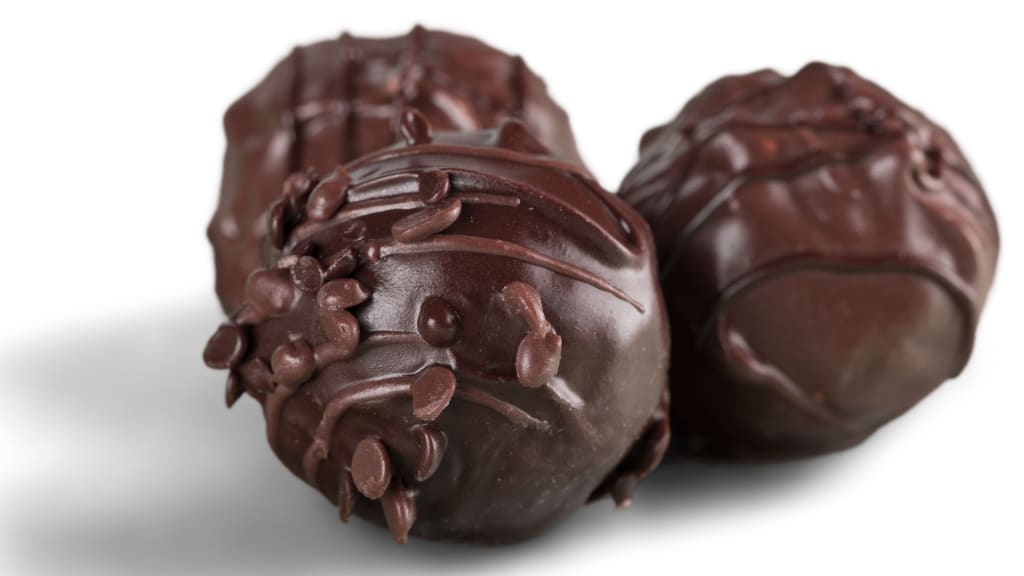
The love for chocolate in the United States runs deep—and delicious. From Valentine’s Day heart-shaped truffles to Halloween candy aisles overflowing with milk chocolate bars, America’s appetite for cocoa-based indulgence remains insatiable. But today’s chocolate market is no longer just about sweetness—it's about premium quality, bold flavors, sustainability, gifting culture, functional benefits, and conscious consumption.
According to Renub Research, the United States chocolate market was valued at US$ 35.25 billion in 2024 and is projected to grow at a CAGR of 3.79% from 2025 to 2033, ultimately reaching US$ 49.26 billion by 2033. This growth is fueled by rising demand for premium chocolates, health-focused alternatives, seasonal gifting habits, sustainability consciousness, and evolving consumer taste.
Chocolate in America—More Than a Sweet Treat, a Cultural Staple
Chocolate in the U.S. is not just a snack—it’s a daily comfort, a seasonal tradition, a luxury indulgence, and even a symbolic expression of love. Available in forms ranging from chocolate bars, artisanal truffles, cocoa beverages, baking melts, and flavored bonbons, chocolate is embedded in American routines, celebrations, and emotional moments.
The key chocolate types shaping demand include:
Dark Chocolate – Driven by health benefits, antioxidants, and lower sugar appeal
Milk & White Chocolate – The oldest and most beloved categories, offering creamy indulgence
While classic milk chocolate still dominates mainstream purchases, dark chocolate is gaining major momentum due to growing awareness about heart health, stress reduction, inflammation support, and clean-label nutrition.
Top Trends Defining the U.S. Chocolate Market
🍫 1. Premium & Luxury Chocolates Are the New Status Symbol
Today's consumers are curating their chocolate purchases just like wine—seeking origin stories, cacao percentages, and artisanal craftsmanship. Premium brands such as Lindt, Ghirardelli, Ferrero Rocher, and Godiva continue attracting loyal buyers, especially among millennials and Gen Z.
According to data by the National Confectioners Association (NCA):
67% of consumers purchase premium chocolates occasionally
Nearly 30% actively prefer premium over regular chocolate
Impulse buying, aesthetic packaging, luxury retail displays, and experiential chocolate gifting further amplify premium demand.
🎁 2. Gifting Culture & Seasonal Sales Drive Market Peaks
Chocolate in the U.S. thrives in key retail moments:
Festival/Season Chocolate Sales Impact
Valentine’s Day Premium boxed chocolates peak
Easter Chocolate eggs & bunnies dominate
Halloween Candy packs drive mass volume
Christmas/Winter Holidays Gifting, gourmet hampers soar
The NCA confirms that 64% of annual chocolate sales come from these seasonal events, signaling that chocolate is not a product—it’s an emotion tied to celebration.
🌿 3. Rise of Functional & Health-Focused Chocolate
As sugar awareness increases, Americans now prefer chocolates that:
✔ Contain higher cacao percentages
✔ Use natural sweeteners or no added sugar
✔ Support gut, heart, and mental wellness
✔ Carry certifications (organic, vegan, fair-trade)
According to Johns Hopkins Medicine, dark chocolate antioxidants can support heart health, brain function, and inflammation reduction—making cocoa not just tasty, but therapeutic.
This has encouraged brands to introduce plant-based, sugar-free, keto-friendly, and protein-rich chocolate products.
🌎 4. Sustainable & Ethical Cocoa Is No Longer Optional
Consumers increasingly expect brands to ensure:
Fair-trade sourcing
Farmer welfare initiatives
Plastic-free packaging
Sustainable cocoa supply chains
Example: Navitas Organics uses regenerative farming for raw cacao—an approach that resonates strongly with eco-conscious U.S. buyers.
🔬 5. Innovation in Exotic Flavors & Ingredients
Today’s consumer wants more than “milk or dark”—they want storytelling through flavor. Emerging favorites include:
Matcha-infused white chocolate
Sea salt caramel dark bars
Goji berry, quinoa, honeycomb chocolate
Middle-Eastern pistachio, rose, saffron profiles
Wellness blends like turmeric, CBD, collagen cocoa
Brands like Royce Chocolate’s green tea bars and Cacao Barry’s WholeFruit Chocolate showcase how innovation is reshaping consumer expectations.
Challenges Facing U.S. Chocolate Manufacturers
⚠ 1. Rising Cocoa Prices & Supply Chain Uncertainty
Cocoa supplies from West Africa—where 60%+ of cocoa originates—are facing disruptions from:
Climate challenges
Political instability
Logistic bottlenecks
Inflation
Since cocoa is the primary raw material, price spikes put pressure on manufacturers to either increase retail pricing or absorb profit losses.
⚠ 2. Sugar Aversion & Health Skepticism
Despite demand for indulgence, concerns around:
Obesity
Diabetes
Sugar overconsumption
…are pushing brands to reformulate, reduce sugar, and invest in product reinvention—raising production complexity and R&D costs.
How Americans Buy Chocolate: Retail Landscape Breakdown
Hypermarkets/Supermarkets dominate U.S. chocolate sales due to:
Large shelf space
Competitive pricing
Seasonal promotions
Multi-brand availability
However, online retail stores are rapidly expanding due to:
Subscription chocolate boxes
Direct-to-consumer luxury brands
Wider flavor access
Convenient gifting deliveries
Other channels include:
Convenience stores
Specialty retail
Drug stores
Brand flagship outlets
Top Performing States in Chocolate Consumption
🍫 California
Largest population and foodie culture
Strong focus on organic, raw, sustainable chocolate
Home to many artisanal and boutique chocolate makers
Growing demand for wellness-focused cocoa products
🍫 New York
Major premium and luxury consumption hub
Diverse demographic with demand for international flavors
Strong seasonal sales, tourism, and gifting culture
Preference for ethical and high-cocoa content chocolates
Other high-consumption states include:
Texas, Florida, Illinois, Pennsylvania, Ohio, Georgia, New Jersey, Washington, North Carolina, and more.
Key Players Driving the U.S. Chocolate Market
Brand Strength
Hershey’s Mass retail dominance, seasonal chocolates
Nestlé S.A. Global footprint, product innovation
Mondelez International Brand power (Cadbury, Toblerone)
Lindt & Sprüngli Premium chocolate authority
Godiva Luxury gifting category leader
Ferrero Group Kinder, premium seasonal category expansion
Cargill, General Mills, Saputo Manufacturing & supply scale
Recent Strategic Moves by Major Brands
✅ Puratos acquired Foley’s Chocolates (Dec 2023) to scale U.S. manufacturing and expand in plant-based, sugar-free, and protein chocolate segments
✅ Mars Inc. acquired Hotel Chocolat for £534M (Nov 2023) to fuel global retail expansion
✅ Toblerone launched “Never Square” campaign (Oct 2023) focused on premium repositioning
✅ Theo Chocolate merged with American Licorice Co. (July 2023) for restructuring and product expansion
✅ Ferrero launched new Kinder offerings at Sweets & Snacks Expo (May 2023) to boost retail engagement
Market Segmentation Snapshot
By Type:
Dark Chocolate
Milk/White Chocolate
By Distribution Channel:
Hypermarkets/Supermarkets
Convenience Stores
Online Retail
Others
By Region/States:
California, Texas, New York, Florida, Illinois, Pennsylvania, Ohio, Georgia, New Jersey, Washington, North Carolina, Massachusetts, Virginia, Michigan, Maryland, Colorado, Tennessee, Indiana, Arizona, Minnesota, Wisconsin, Missouri, Connecticut, South Carolina, Oregon, Louisiana, Alabama, Kentucky, Rest of U.S.
Competitive Landscape
Nestlé S.A.
The Hershey Company
Mondelez International
Ferrero Group
Lindt & Sprüngli
Godiva Chocolates
Cargill Inc.
General Mills
Saputo Inc.
Final Thoughts: The Future is Sweet, Smart & Sustainable
The U.S. chocolate market is evolving beyond indulgence—it’s now a category powered by premium experiences, conscious consumption, innovation, gifting emotions, and wellness benefits. The brands that will win by 2033 are those that blend taste, transparency, sustainability, and storytelling.
By 2033, with a market size of US$ 49.26 billion, chocolate in America won’t just be a treat—it will be a lifestyle choice, an emotional currency, and an industry powered by purpose and pleasure.
About the Creator
Diya Dey
Market Analyst
My Tous les Jours Trip
As someone who lives in a rural area, I don't get the chance to visit fancy restaurants or bakeries that often. So, when a friend told me about a French-Asian bakery that's less than an hour away, I knew I had to check it out and grab some pictures for social media. Tous les Jours ended up providing an immersive experience that went above and beyond my expectations--although I did leave with a few reservations.
By Kaitlin Shanks16 days ago in Feast
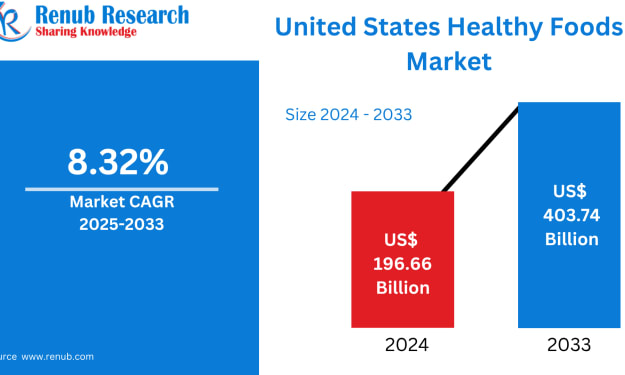
United States Healthy Foods Market Size & Forecast 2025–2033
Introduction: A Health Revolution on America’s Plates The United States healthy foods industry is entering a period of extraordinary expansion. According to Renub Research, the market is projected to grow from US$ 196.66 billion in 2024 to US$ 403.74 billion by 2033, registering a robust Compound Annual Growth Rate (CAGR) of 8.32% during 2025–2033. This remarkable growth reflects a nationwide shift in consumer priorities—from convenience-first eating to nutrition-driven decision-making.
By Renub Research2 days ago in Feast
📢 Raise Your Voice Thread: 01/08/2026
Our “Raise Your Voice Threads” are hosted most alternating Thursdays at 12PM ET to offer creators more avenues to uncover exceptional stories on Vocal. As we are continuously searching for fresh creators and inspiring stories, this thread provides an opportunity to exchange and discuss the stories that have moved and motivated us on Vocal.
By Raise Your Voice by Vocal4 days ago in Resources


Comments
There are no comments for this story
Be the first to respond and start the conversation.