
The Search for Sweet and Sour Pork
unknowingly looking in the wrong country

I didn't have to travel the world to experience authentic cuisine. As an adult, I now realize how lucky I was to grow up in an Asian pocket of a neighborhood in Phoenix, Arizona. Even though the restaurants often advertised themselves as Chinese, Thai, Japanese, or even Vietnamese- I can now see they were all Korean ran. It showed in the offerings on the menu and the unique preparation of some dishes. That's what started this journey for me.
The Chinese labeled restaurant behind my house named David Kwans had the best sweet and sour pork I've had in my life. It was also the only place I was allowed to walk to by myself as a 10-year-old as my overprotective father trusted them because I went there so often. It was like a second home that filled me with so much happiness. I look back on it with so many fond memories, but it will always be about the sweet and sour pork for me; It was so different than any of the sweet and sour pork I've encountered at Chinese restaurants since. This was not a puffy tempura batter that dominated over the amount of meat. It was tight and crispy. It didn't make you feel heavy afterward. The sauce had a beautiful dark amber coloring that was filled with a more natural sweetness to it and a distinct vinegar taste, not just any old white vinegar. It was not the red syrup most places dish out. It was a truly unique experience. I went as often as I could.
Sadly, the restaurant had a fire when I was 14 and never reopened. I'd been searching for this sweet and sour pork for years, that was until I was 27 and started watching Korean dramas- mostly food orientated ones and I noticed a common theme of them discussing a dish called Tangsuyuk that looked similar to the sweet and sour pork of my childhood. Upon further investigation, I came to find out this is the Korean form of sweet and sour pork! Every recipe clicked with what I remembered. I had found it! The sauce was naturally sweet because it was more fruit-forward than the corn syrup American Chinese dishes have and they used rice vinegar! The difference in the breading is because it was not a tempura batter at all. It was simply potato starch and an egg, double-fried for that extra crisp.
I make this dish for myself now and then, and though I know it's the right one, it still will never compare to the magical taste of David Kwans. Sometimes though, if I close my eyes, I swear I am 10 years old again. I can still feel the red pleather seats sticking to my sweaty legs from my trek to the restaurant in the boiling Phoenix summer heat- which somehow made it taste all that much sweeter.
INGREDIENTS
For the Pork
1 cup potato starch
1 1/2 lbs pork loin, cut into 2-inch long 1/4-inch thin pieces
1 tbsp soy sauce
1 tbsp mirin
pinch of salt and garlic powder
1 egg, beaten
2 tbsp vegetable frying oil (I use peanut)
For the Sauce
1 tsp cooking oil
1/4 small sweet onion, 1-inch cube
1/2 red bell, cut into 1-inch cube
1/2 Persian cucumber, sliced
1 small red apple, cored, and sliced into ⅓ inch thick pieces
1/2 cup chicken stock
1/4 cup pineapple chunks in juice
1/4 cup sugar
1/2 cup rice vinegar
juice from 1/2 lemon
1 tsp soy sauce
1 tbsp starch, mixed with an equal amount of cold water to thicken
HOW TO
In a mixing bowl, combine potato starch and cold water to cover the potato starch, about 1-inch above. Mix and let it sit at least a few hours to overnight. I prep this in the afternoon or the day before.
When the water and starch separate completely, the water should be clear and starch is on the bottom of the bowl. Gently pour out the water on top then add beaten egg and oil in. It's very thick and you need to break up the starch the batter ends up like condensed milk.
Cut up the pork and add the soy sauce, mirin, and seasonings. Marinate for 10 minutes
Preheat oil to 350°F
I dump the marinated pork into the batter and mix well to make sure it's evenly covered.
Then drop one at a time into the preheated frying oil. Make sure the pork doesn’t stick to each other and don't crowd the pot. It might end up taking 2 to 3 batches. Fry the pork for about 2 to 3 minutes or longer if your pork pieces are bigger and thicker. The batter will look pale white/yellow but that's ok cause we are double frying!
When you take the pork batches out place them on a cooling rack over a baking pan to catch any of the oil. Repeat with the rest of the pork and let them cool completely before the second fry.
While waiting for the pork to cool, make the sauce.
Heat a deep-sided pan or wok over high heat, add cooking oil, onion, red bell pepper, cucumber, and apple pieces. Stir fry for about 1 minute and add pineapple chunks with juice, chicken stock, sugar, vinegar, lemon juice. Stir everything together and bring it to a boil. Add 1 tsp of soy sauce.
Once the sauce is boiling, stir in your starch mixture. The sauce is now finished, just keep it warm.
Now raise the frying oil to 375°F
Put the fried pork pieces back in until it develops a nice golden-brown color, this takes about 2 minutes. You can do them all at once or in batches. Remove and place back on the cooling rack.
Once ready, plate and enjoy!
I eat this with the sauce on the side to dip in to, this keeps the crispy texture or you can dump it on top of the pork like in a restaurant.
Note: My sauce is more vinegar forward out of personal preference, so you may want to adjust it down or add 1/4 cup more sugar.
About the Creator
Keep reading
More stories from Miranda Morrison and writers in Feast and other communities.
Glowing Embers
E. I find myself walking down these decaying streets again; the balls of my feet are screaming out from the abuse of dodging unevenly fractured sidewalk slabs from the overgrown vegetation that considers these avenues home. They have started to reclaim them without anyone to battle them back. This has become more of a choreographed dance of jumps and well-timed turns than a walk.
By Miranda Morrison5 years ago in Fiction
My Tous les Jours Trip
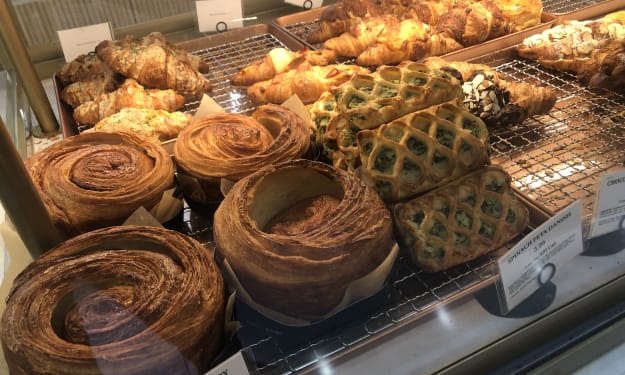
As someone who lives in a rural area, I don't get the chance to visit fancy restaurants or bakeries that often. So, when a friend told me about a French-Asian bakery that's less than an hour away, I knew I had to check it out and grab some pictures for social media. Tous les Jours ended up providing an immersive experience that went above and beyond my expectations--although I did leave with a few reservations.
By Kaitlin Shanks24 days ago in Feast
Global Ready to Drink Tea and Coffee Market Size and Forecast 2025–2033
Introduction: A Beverage Revolution in a Bottle The global beverage industry is undergoing a significant transformation, driven by changing lifestyles, rising health awareness, and the growing need for convenience. At the center of this evolution is the Ready to Drink (RTD) Tea and Coffee Market, which has emerged as one of the fastest-growing segments within the food and beverage industry.
By Marthan Sirabout 16 hours ago in Feast



Comments
There are no comments for this story
Be the first to respond and start the conversation.