
The Science of Taste
Why Food Abroad Always Feels Better
[written by shopaora]
There’s something magical about biting into a warm, flaky croissant in a little Parisian café or sipping spicy pho at a street stall in Hanoi. Many travelers share the same sentiment: food just tastes better when you’re abroad. But is it simply wanderlust playing tricks on us, or is there actual science behind this phenomenon? The answer is both fascinating and complex.
A Taste Shaped by Environment
Food is never just about the plate in front of us. Our brains connect flavors with the sights, sounds, and even the air around us. Eating fresh seafood by the beach in Greece isn’t just about the grilled fish — it’s also about the salt in the air, the crashing waves, and the warm evening breeze. Studies in sensory science show that environment can influence how we perceive taste. A dish in its natural context feels more authentic and vibrant, while the same dish at home might lose some of its spark.
Ingredients That Speak of Place
Another reason food feels so special abroad is authenticity. Many countries rely heavily on local ingredients that don’t always travel well. Tomatoes grown in the volcanic soil of southern Italy, spices harvested fresh in India, or cheese made from sheep grazing in the French countryside carry unique flavors that are almost impossible to replicate elsewhere.
Back home, when we try to recreate the same meal, we often rely on substitutes — a different tomato, a less fresh herb, a different kind of cheese. The result can still be delicious, but it lacks the true flavor of its birthplace. Taste, in this sense, is deeply tied to geography.
The Psychology of New Experiences
Traveling primes our brains to expect something new. Psychologists call this the “novelty effect.” When we’re in an unfamiliar place, our senses are heightened — we notice more, feel more, and taste more. Something as simple as a cup of coffee can feel extraordinary when it’s paired with a view of the Alps or the energy of a bustling Moroccan souk.
At home, routine dulls our senses. We may drink coffee every day without much thought, but abroad, the same act feels like an adventure. Our brains reward novelty by releasing dopamine, the “feel-good” chemical. That’s part of why food on vacation seems richer, more exciting, and more memorable.
The Vacation Mindset
It’s not just about novelty — it’s also about mood. When we travel, we tend to be more relaxed. The stress of daily life, deadlines, and responsibilities fade into the background. In this lighter mindset, we give ourselves permission to enjoy food more freely. Calories don’t count in Italy, right?
Psychologists note that positive emotions can heighten sensory perception. In other words, when we’re happy, food literally tastes better. That pizza in Naples might not just be good because of the ingredients or the recipe — it’s also the joy of being in Italy, free from the grind of everyday life.
Memory on the Tongue
Food is one of the strongest memory triggers we have. Certain dishes abroad stay with us not just for their flavor, but for the moment they represent. Maybe it’s the first time you tried sushi in Tokyo, surrounded by locals, or the plate of tapas you shared with new friends in Barcelona.
These memories embed themselves into the taste. Later, when you try to recreate the dish at home, it can feel flat because the memory isn’t there. The flavors are tied to people, conversations, and emotions that can’t be replicated. This is why food abroad often becomes part of the story of our journey — it’s not just a meal, it’s a memory.
Why Replicating the Experience Fails
Many of us return from trips eager to chase the flavors we loved. We buy the same spices, look up recipes, and sometimes even pack ingredients in our suitcases. But no matter how closely we follow the recipe, something feels missing.
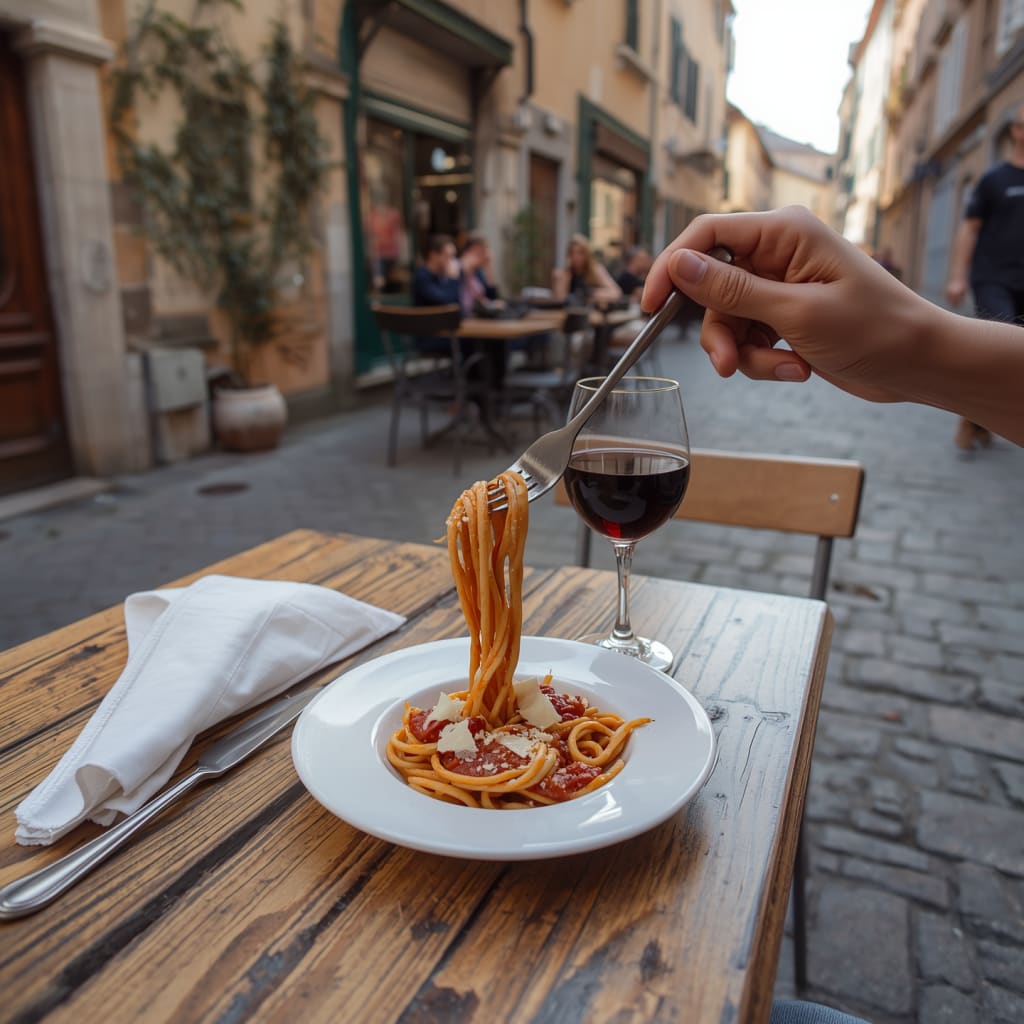
That missing piece is context. You can copy the dish, but not the cobblestone streets, the laughter of strangers, or the music drifting from a nearby café. Food abroad feels better because it’s inseparable from the moment and the place. It’s an experience, not just a recipe.
Final Bite
So why does food abroad always feel better? Because taste is never just taste. It’s environment, culture, novelty, psychology, and memory all wrapped into one. The science tells us that our surroundings and emotions heighten flavor, but the heart knows it’s also about the moments we cherish.
The next time you’re abroad and you savor something unforgettable, don’t just focus on the dish. Take in the view, the atmosphere, the people around you. That’s the secret ingredient that makes it taste so good.
(shopaora)
About the Creator
Keep reading
More stories from shop a ora and writers in Feast and other communities.
Cricket powder cinnamon banana bread
I lived in Mexico for some years, many Moons ago, twice. It was there when I saw for the first time fried crispy crickets (known as chapulines in Mexico) tacos seasoned with lime, garlic, salt, and chile. Cricket tacos are a traditional delicacy which is especially popular in the Oaxaca region of Mexico. You can find them as a street food optionat outdoor markets in Mexico (look for chapulines) or at speciality restauants in the U.S. (just make sure the crickets are for human consumption).
By Susan Fourtané 30 days ago in Feast
North America Pasta Market Size & Forecast 2025–2033
Introduction Pasta has quietly transformed from a traditional Italian staple into a universal comfort food across North America. Once associated mainly with classic recipes and home cooking, it now appears in gourmet menus, meal kits, microwaveable bowls, and plant-based diets. According to Renub Research, the North America pasta market was valued at US$ 6.23 billion in 2024 and is projected to reach US$ 8.91 billion by 2033, expanding at a CAGR of 4.05% from 2025 to 2033.
By Janine Root 5 days ago in Feast


Comments
There are no comments for this story
Be the first to respond and start the conversation.