
The Recipe: Bulla with Spiced Butter and Kale (Gomen)
Cultural Echoes: Enset, Life, and Legacy
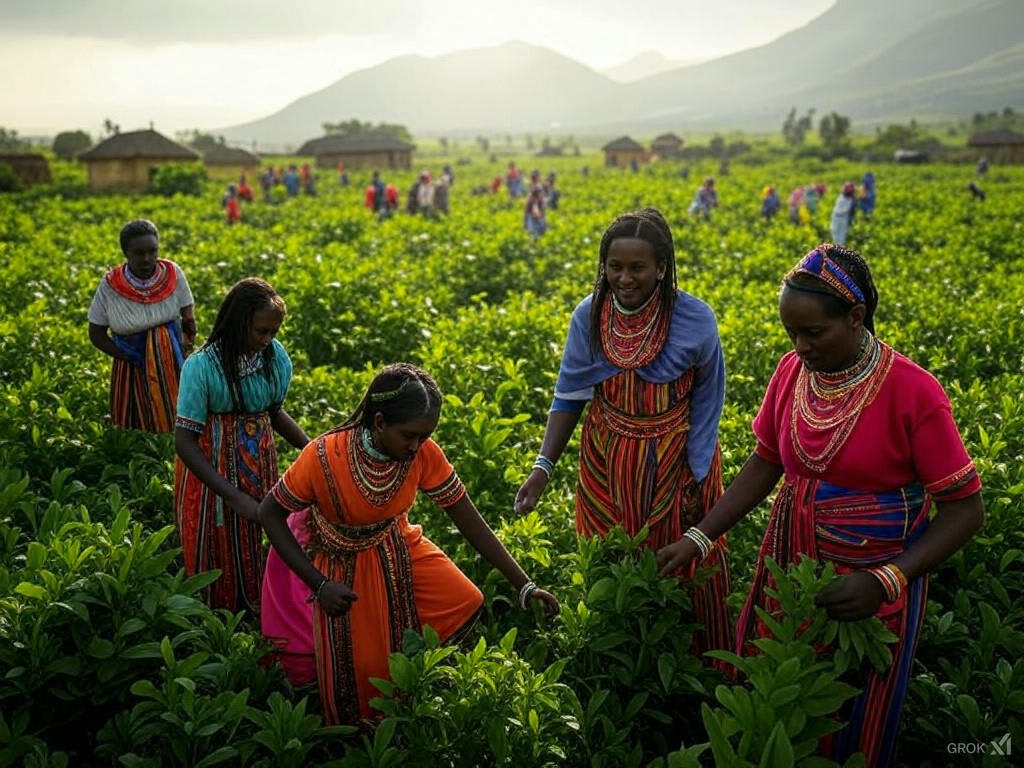
The Recipe: Bulla with Spiced Butter and Kale (Gomen)
Bulla, the core of our highland culinary tradition, can be relished either as a creamy, heartwarming porridge or formed into flatbread, echoing the very texture of the land we call home. When paired with the deeply flavorful nit’r qibe, our spiced butter, and the robust kale wot, this meal encapsulates the essence of simplicity intertwined with rich flavors, a true celebration of southern Ethiopian cooking wisdom.
Ingredients
For Bulla:
2 cups bulla flour (enset starch, available in Ethiopian markets or through online platforms)
4 cups water
1 tsp salt
For Nit’r Qibe (Spiced Butter):
1 cup unsalted butter
1 tsp fenugreek seeds
1 tsp turmeric
½ tsp crushed cardamom seeds
1 clove garlic, minced
1 small onion, finely chopped
1 tbsp grated ginger
For Kale Wot (Stewed Greens):
1 lb of kale or collard greens, chopped
1 onion, diced
3 cloves garlic, minced
1 tbsp minced ginger
1 tsp turmeric
1 tsp paprika
½ tsp cumin
2 tbsp nit’r qibe (or substitute with regular butter)
Salt to taste
Instructions
Prepare Nit’r Qibe:
Start by melting the butter in a saucepan over a gentle flame. As it heats, it murmurs secrets of its transformation; skim away the milk solids that rise like morning fog.
Once the butter is clear, introduce the onions, garlic, and ginger into the pot. They'll twirl in the heat, turning golden, filling your home with an aroma of promise.
Stir in the spices—fenugreek, turmeric, and cardamom—with the care one gives to old tales. Let them cook together for about 5 minutes, allowing each spice to unfold its flavor. Strain this golden elixir into a jar, preserving the highland's essence.
Make Bulla Porridge:
Mix the bulla flour with 1 cup of water in a bowl, forming a paste that drinks in the water like the ground after a drought-breaking rain.
Bring the remaining 3 cups of water to a boil in a different pot. Pour in your bulla paste, stirring as you go. Lower the heat to a simmer, and stir patiently, letting the mixture thicken over 10-15 minutes, each stir a nod to our ancestors' stories.
Enjoy this as a soft, comforting porridge, or for a more traditional touch, spread it out on a greased pan to set, then slice into bread-like pieces, each one a symbol of our resilience and joy.
Cook Kale Wot:
Warm the nit’r qibe in a skillet, evoking memories of past meals. Sauté the onions until they become as translucent as the mist that veils our mountains.
Add garlic, ginger, and spices, blending them into a fragrant melody. Then, introduce the greens with a splash of water, letting them cook down for about 20 minutes until tender, each leaf a testament to our connection with the earth.
Serving:
Present the bulla in a communal dish, drizzled generously with your scented nit’r qibe. Layer the kale wot on top for a visual and tasteful feast. The tradition here is to eat with hands, using injera or bulla slices to scoop, each bite a link back to our roots.
A Taste of Memory
Every spoonful of bulla is a voyage through time, carrying with it the laughter of Abaynesh, the labor of enset farmers under the sun, and the unbreakable spirit of our people. It's more than sustenance; it's a narrative of endurance, adaptation, and the collective memory of our culture. As I teach my daughter this art, I'm not just sharing a recipe; I'm passing on the very heartbeat of our highlands, a legacy as enduring as the enset plant itself.
Cultural Note: The practice of enset farming, celebrated by UNESCO for its cultural significance, is the lifeblood for over 20 million in southern Ethiopia. Bulla's ability to serve as both a survival food during scarcity and a celebratory dish at feasts speaks volumes about the ingenuity and resilience of the Wolayta, Sidama, Gurage, and numerous other communities who have embraced this plant as a life-sustaining ally.
This expansion aims to not only reach the word count but also to enrich the narrative with cultural depth, sensory details, and personal connections, ensuring the recipe remains a vibrant piece of heritage storytelling
The Recipe: Bulla with Spiced Butter and Kale (Gomen)
Bulla, the heart and soul of our highland cuisine, is a dish that speaks volumes of our heritage. It can be cherished either as a creamy, soul-warming porridge or as a flatbread, embodying the very essence of our earth. When combined with nit’r qibe, our spiced butter, and the hearty kale wot, this meal represents a symphony of flavors, a testament to the culinary mastery of southern Ethiopia where simplicity meets sophistication.
Ingredients
For Bulla:
2 cups bulla flour (enset starch, which you can find in Ethiopian markets or through online specialty stores)
4 cups water
1 tsp salt
For Nit’r Qibe (Spiced Butter):
1 cup unsalted butter
1 tsp fenugreek seeds
1 tsp turmeric
½ tsp cardamom seeds, crushed
1 clove garlic, minced
1 small onion, finely chopped
1 tbsp ginger, grated
For Kale Wot (Stewed Greens):
1 lb of kale or collard greens, chopped
1 onion, diced
3 cloves garlic, minced
1 tbsp ginger, minced
1 tsp turmeric
1 tsp paprika
½ tsp cumin
2 tbsp nit’r qibe (or regular butter if nit’r qibe isn't on hand)
Salt to taste
Instructions
Prepare Nit’r Qibe:
Begin by melting the butter in a saucepan over the lowest flame, akin to coaxing stories from an elder. As the butter heats, it starts to reveal its true nature; skim off the milk solids that float up, much like clouds dispersing after a rain.
When clarity arrives in the butter, add the onion, garlic, and ginger. Watch them as they mingle and cook, turning golden, the kitchen now alive with the scent of forthcoming meals.
With a gentle hand, introduce the spices – fenugreek, turmeric, and cardamom. Let them cook together for around 5 minutes, each spice unfolding like chapters of a well-loved book. Once done, strain this mixture, bottling up the essence of our highlands for future use.
Make Bulla Porridge:
In a bowl, combine the bulla flour with 1 cup of water, creating a paste that soaks up the liquid like our land absorbs the first rains after a long drought.
Bring the rest of the water to a boil in another pot. Once it dances with bubbles, whisk in your bulla paste. Turn down the heat, and stir with the patience of someone waiting for harvest, cooking for 10-15 minutes until it thickens, each stir a reminder of the stories that have shaped us.
You can savor this porridge soft, like a comforting blanket of warmth, or for a more traditional approach, spread it out on a greased pan to cool. Once set, cut into slices reminiscent of bread, each piece a tribute to our survival and our celebrations.
Cook Kale Wot:
Heat your nit’r qibe in a skillet, each bubble carrying the echo of meals past. Sauté the onions until they're as translucent as the morning mist over our hills.
Add garlic, ginger, and the spices, blending them into a symphony of aromas. Then, toss in the greens with a half cup of water, letting them cook together until they're tender, about 20 minutes, each leaf a leaf in the story of our resilience and connection to the land.
Serving:
Serve the bulla in a communal dish, drizzled with your enriched nit’r qibe, laying the kale wot atop like a second layer of earth. The cultural practice here is to eat with your hands, using injera or slices of bulla to scoop up the flavors, every bite a connection back to our roots, to the very heartbeat of the highlands.
A Taste of Memory
Every mouthful of bulla isn't merely food; it's a journey back in time. With it comes the laughter of Abaynesh, the hard work of those who tend to the enset under the watchful sun, and the unwavering spirit of our people. This dish tells tales of endurance, adaptation, and the collective memory we hold dear. Today, as I guide my daughter in the ways of making bulla, I'm not just teaching her to cook; I'm entrusting her with our heritage, the very pulse of our highlands, as enduring as the enset itself.
Cultural Significance of Enset:
Enset farming, a practice so deeply woven into our lives, has been honored by UNESCO for its cultural heritage value. This plant has been the lifeline for over 20 million in southern Ethiopia, providing not just nourishment but a symbol of life's continuity. Bulla's versatility is a mirror to our community's resilience – from being the sustenance that saw us through famines to the star of our festive tables. This reflects the wisdom of the Wolayta, Sidama, Gurage, and countless other groups who have chosen enset as their ally in both survival and celebration.
The Art of Preparation:
Bulla Flour: The preparation of bulla flour begins with harvesting the enset plant, a process that involves communal effort and patience. The plant's pseudostem is peeled back to reveal the starchy core, which is then processed through fermentation, a method passed down through generations, teaching us to value time and patience in our food.
Nit’r Qibe: Making nit’r qibe is like creating a piece of art. Each spice added brings its own story, contributing to a flavor profile that's both comforting and complex. This spiced butter isn't just an ingredient; it's a conversation between the past and present, a blend of tradition and taste.
Kale Wot: The preparation of greens in our cuisine is a lesson in simplicity and depth. The greens, whether kale or collards, are chosen for their hardiness, much like our people, and their ability to absorb the flavors around them, much like we absorb the lessons from our surroundings.
The Meal as a Social Fabric:
In our culture, food like bulla, nit’r qibe, and kale wot isn't just about eating; it's about gathering, sharing, and storytelling. Meals are where we connect, where we pass on our history, our joys, and our struggles. Each dish, especially one like bulla, serves as a reminder of where we come from, the hardships we've overcome, and the celebrations we've shared.
Legacy and Learning:
Teaching my daughter to make this dish is not merely about culinary skills; it's about passing on resilience, patience, and a deep respect for our land and its gifts. It's about ensuring that the heartbeat of the highlands continues to beat strong, through the hands that knead, the stories shared, and the meals that bring us together.
About the Creator
Jaffar Redi
A passionate storyteller and creative thinker with a love for crafting engaging content that connects with readers. Always exploring new ideas, learning, and bringing stories to life in unique ways!
Keep reading
More stories from Jaffar Redi and writers in Feast and other communities.
Hulbat Halva, Canjeero, and Abish: A Celebration of Strength from Ethiopia’s Eastern Heart
The aroma of caramelized onions, fenugreek, and fermenting dough is unforgettable, reminding me of my grandmother’s kitchen. In that cozy space in Harar, sunlight streamed through lace curtains while copper pots made gentle sounds. Here, three culinary traditions—Harari, Somali, and Oromo—came together, creating a rich history of resilience. This narrative is not just about recipes; it reveals how food protects our culture, expresses love when words fall short, and connects diverse pasts.
By Jaffar Redi11 months ago in Feast
My Tous les Jours Trip
As someone who lives in a rural area, I don't get the chance to visit fancy restaurants or bakeries that often. So, when a friend told me about a French-Asian bakery that's less than an hour away, I knew I had to check it out and grab some pictures for social media. Tous les Jours ended up providing an immersive experience that went above and beyond my expectations--although I did leave with a few reservations.
By Kaitlin Shanksabout a month ago in Feast
Global Beef Market Trends & Summary: A Protein-Driven Industry on the Rise
Global Beef Market Outlook 2025–2033 The global beef market is entering a phase of steady yet resilient growth as changing diets, rising incomes, and evolving consumer expectations reshape the world’s meat industry. According to Renub Research, the global beef market is expected to reach US$ 749.90 billion by 2033, up from US$ 520.53 billion in 2024, expanding at a compound annual growth rate (CAGR) of 4.14% from 2025 to 2033.
By Marthan Sir6 days ago in Feast




Comments
There are no comments for this story
Be the first to respond and start the conversation.