
The Power of AI: From Science Fiction to Everyday Reality
Power of AI

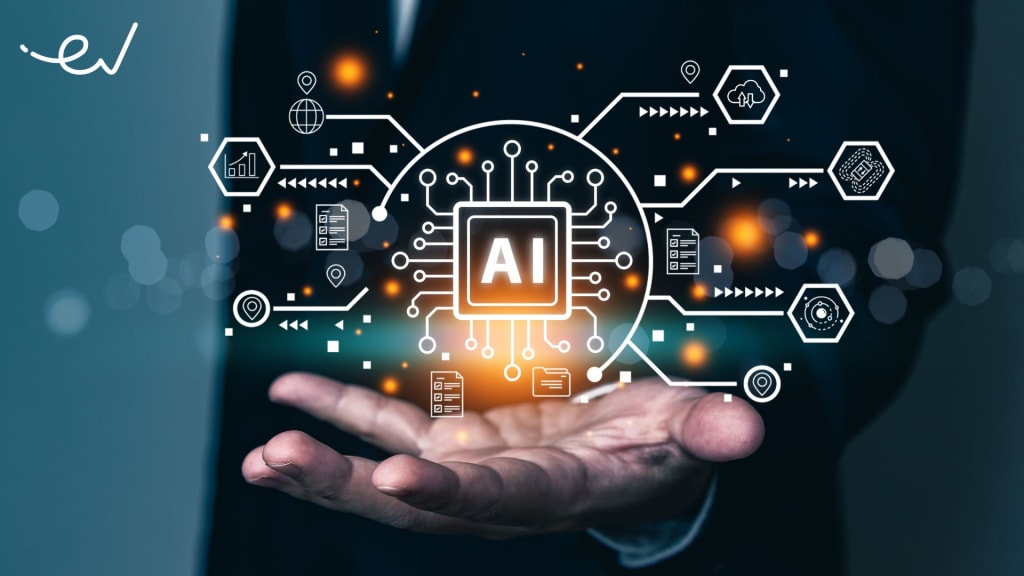
Artificial Intelligence (AI) has transitioned from the realm of science fiction to become an integral part of our everyday reality. Once a futuristic concept confined to the pages of novels and the screens of movies, AI now permeates various aspects of modern life, revolutionizing industries, shaping economies, and impacting society in profound ways. In this exploration, we delve into the journey of AI, tracing its evolution from fiction to reality and examining its transformative power across different domains.
I. The Origins of AI in Science Fiction:
AI's journey begins in the imaginative realms of science fiction literature and films. From Isaac Asimov's "I, Robot" to Arthur C. Clarke's "2001: A Space Odyssey," authors and filmmakers have long speculated about intelligent machines and their implications for humanity. These early depictions laid the groundwork for how society perceived AI, often portraying it as either a benevolent ally or a menacing threat.
II. Early Days of AI Research:
The transition of AI from fiction to reality started with pioneering research in the mid-20th century. Scholars and scientists began exploring the concept of creating machines capable of simulating human intelligence. The development of early AI algorithms, such as the perceptron by Frank Rosenblatt in the 1950s, marked significant milestones in this journey.
III. Breakthroughs in AI Technology:
Over the decades, breakthroughs in AI technology propelled the field forward, making once-distant possibilities achievable realities. From the invention of expert systems in the 1970s to the emergence of neural networks and deep learning in the 21st century, each advancement expanded the capabilities of AI and brought it closer to everyday applications.
IV. Integration into Everyday Life:
Today, AI has seamlessly integrated into various aspects of everyday life, enhancing efficiency, convenience, and innovation across industries. From virtual assistants like Siri and Alexa to recommendation systems on streaming platforms and e-commerce websites, AI-powered technologies have become ubiquitous, simplifying tasks and enriching user experiences.
V. Transforming Industries:
One of the most significant impacts of AI is its transformative effect on industries ranging from healthcare and finance to transportation and manufacturing. In healthcare, AI-driven diagnostic tools assist doctors in detecting diseases earlier and more accurately, leading to improved patient outcomes. Financial institutions leverage AI algorithms for fraud detection, risk assessment, and algorithmic trading, optimizing operations and decision-making processes.
VI. Shaping Economies:
The widespread adoption of AI is reshaping economies worldwide, driving innovation, and fostering economic growth. Countries and companies that invest in AI research and development gain a competitive edge in the global marketplace, fueling job creation, and driving productivity gains. However, concerns about job displacement and income inequality persist, highlighting the need for proactive policies to mitigate potential societal impacts.
VII. Ethical Considerations:
As AI becomes more pervasive, ethical considerations surrounding its development and deployment have come to the forefront. Issues such as algorithmic bias, data privacy, and the potential for autonomous weapons raise complex ethical dilemmas that require careful consideration and regulation. Ethical frameworks and guidelines are essential to ensure that AI technologies serve the common good and adhere to principles of fairness, transparency, and accountability.
VIII. Challenges and Opportunities:
While AI offers immense potential for societal benefit, it also presents significant challenges and risks. Concerns about job displacement, algorithmic discrimination, and the misuse of AI for malicious purposes underscore the need for responsible AI development and governance. However, amid these challenges lie opportunities to harness AI for solving some of humanity's most pressing problems, from climate change and healthcare disparities to poverty alleviation and education access.
IX. The Future of AI:
Looking ahead, the future of AI promises further advancements and innovations that will continue to reshape our world. From autonomous vehicles and smart cities to breakthroughs in healthcare and education, AI will play an increasingly prominent role in shaping the future of society. However, realizing the full potential of AI requires collaboration across disciplines, ethical stewardship, and a commitment to ensuring that AI technologies serve the best interests of humanity.
Conclusion:
The journey of AI from science fiction to everyday reality is a testament to human ingenuity and innovation. What once seemed like futuristic fantasy is now an integral part of our daily lives, transforming industries, shaping economies, and challenging societal norms. As we navigate the opportunities and challenges presented by AI, it is essential to approach its development and deployment with care, ensuring that it serves the collective well-being of humanity and contributes to a more equitable and sustainable future.
About the Creator
Paramjeet kaur
Hey people! I am my own person and I love blogging because I just love to share the small Stories
Keep reading
More stories from Paramjeet kaur and writers in Feast and other communities.
Voice of the Nation: Casting Ballots in the Lok Sabha Election
In the world's largest democracy, the Lok Sabha election serves as the quintessential manifestation of the people's voice, a grand spectacle where millions participate to shape the nation's future. With its vast diversity of cultures, languages, and ideologies, India's electoral process is not just an event but a celebration of democracy itself.
By Paramjeet kaur2 years ago in Feast
Apple and Almond Tart
So I spent the first half of Sunday making pancakes (of course, for my mother) and then I baked an apple and almond tart. Did I have to use a recipe from someone else? Nope. This is something quick and simple that you can do with a little bit of patience and a lot of ease. If you're looking for a quick dessert that's filling and tasty then I'd go with this, serving suggestions include:
By Annie Kapura day ago in Feast
Orange vs Red Carrots
Carrots are among the most popular root vegetables around the world. They are widely appreciated for their natural sweetness, crunchy texture, and impressive nutritional value. While most people are familiar with orange carrots, many regions—especially in South Asia—also consume red carrots, particularly during winter. This often raises a common question: which carrot is better for health—orange or red?
By Stories Today7 days ago in Feast
Hottest in the Office
Dear Rafi, You’re very distracting to work around. For the first second I saw you the other day, I thought you were some type of executive. It took a moment to realize no, you were just the new guy, dressed up for the job he wants. Be still, my heart.
By Gabriel Shames6 days ago in Pride




Comments (1)
Hey, just wanna let you know that this is more suitable to be posted in the 01 community 😊