
The largest buffet in America
Shady Maple's remarkable success despite facing numerous challenges


Shady Maple, nestled in the heart of Pennsylvania, stands as a testament to the enduring appeal of the buffet dining experience. As the largest buffet in America, Shady Maple serves approximately 1.2 million people annually. With a sprawling 200-foot buffet featuring 20 trays of meticulously prepared dishes, it draws customers from across the country who are eager to indulge in its vast offerings for a mere $16 on a Saturday morning.
Behind the Scenes at Shady Maple
The kitchen at Shady Maple is a hive of activity, particularly on Saturdays. Preparations begin at 4:00 a.m., with the cooks racing against the clock to get ready for the day. On an average Saturday, they go through 750 pounds of bacon and prepare meals for up to 8,000 patrons. The kitchen offers a wide array of dishes, including traditional Pennsylvania Dutch favorites like scrapple, a local delicacy made from liver and ground pork.
The staff at Shady Maple is dedicated to maintaining the highest standards of freshness and quality. Unlike many buffets that rely on pre-made mixes and bulk-prepared food, Shady Maple prides itself on homemade dishes. The béchamel sauce for mac and cheese, for instance, is prepared from scratch using milk and shredded cheddar. The stuffing, or "filling" as the Pennsylvania Dutch call it, is also made by hand, following the founder's original recipe. This commitment to homemade, fresh food is a key factor in Shady Maple's success.
At the fryer station, chefs crisp up sausage patties and links, while hundreds of pancakes are dropped onto griddles. The egg station alone goes through over 700 eggs for a Saturday breakfast. On the other side of the kitchen, another team starts prepping vegetables for lunch, chopping broccoli, cauliflower, and more by hand. By 8:00 a.m., the line of eager customers wraps around the lobby, and the energy in the kitchen is akin to that of a Super Bowl.
The Dining Experience
For $16, customers can enjoy a wide range of dishes at Shady Maple. The breakfast offerings include made-to-order omelets, pancakes, sausage patties, and scrapple. As the day progresses, the buffet transitions to lunch and dinner, featuring dishes like brisket, fried chicken, barbecue pork, and Cajun catfish. The variety is staggering, and the quality of the food is consistently praised by patrons.
One of the most popular items on the menu is the fried chicken, Each piece is hand-breaded and cooked to perfection, earning rave reviews from customers. Other favorites include the mac and cheese, which is made from scratch using a rich béchamel sauce, and the Pennsylvania Dutch stuffing, a flavorful mix of butter and bread cubes.
In addition to the savory offerings, Shady Maple's dessert selection is equally impressive. Patrons can indulge in a wide array of sweets, from baked French toast to whoopie pies. The cinnamon syrup, thick and decadent, is a particular highlight that many customers rave about.
Historical Roots and Cultural Appeal
Shady Maple's success can also be attributed to its cultural appeal. The buffet embraces the heritage of the surrounding Amish country, offering traditional Pennsylvania Dutch dishes and promoting local food traditions. This connection to the community and its roots adds a layer of authenticity to the dining experience that is hard to replicate.
The concept of buffets has deep historical roots, originating in 18th century Sweden and later popularized in America. In the 1940s, a Las Vegas casino manager introduced the idea of a 24-hour buffet, which quickly became a hit. By the 1970s and 1980s, buffets were a staple of American dining, with chains like Golden Corral and Old Country Buffet leading the way. However, changing dietary trends and several high-profile food safety incidents have led to a decline in the buffet industry.
The Rise and Fall of Buffets in America
Buffets have long been a significant part of American dining culture. The concept can be traced back to 18th century Sweden, where elites feasted on large spreads called smorgasbords. Around the same time, the French introduced similar lavish meals, which they called buffets after the French word for sideboard. The idea was brought to the American masses in 1946 by a Las Vegas casino manager who introduced a 24-hour buffet that cost just a dollar. This concept quickly caught on, leading to the proliferation of buffet restaurants across the country.
The 1970s and 1980s saw the heyday of buffets, with chains like Golden Corral and Old Country Buffet becoming household names. The appeal was clear: affordable prices, a wide variety of food, and a dining experience that catered to families and large groups. However, the buffet industry has seen a decline over the past few decades. The market size for buffets in the U.S. has dropped by roughly 30% since 2012, and several high-profile incidents of food poisoning have damaged the industry's reputation.
In 2000, a Milwaukee Sizzler was responsible for hundreds of probable E. coli cases. In 2003, a Chi-Chi's in Pittsburgh was the site of the largest hepatitis A outbreak in U.S. history, with 660 people infected and four fatalities. These incidents, along with changing consumer preferences towards healthier dining options, led to a decline in the popularity of buffets.
Shady Maple's Secret to Success
Despite the industry's overall decline, Shady Maple has managed to thrive. On average, the buffet attracts 4,000 visitors daily, significantly more than other buffets in the area. This success can be attributed to several factors. Firstly, Shady Maple's reputation for fresh, homemade food sets it apart from other buffets. The staff closely monitors the buffet to ensure that food is always fresh and promptly refilled when trays are close to running out. This attention to detail helps maintain the quality and safety of the food, alleviating some of the concerns associated with buffets.
Secondly, Shady Maple has embraced its Pennsylvania Dutch roots, offering local dishes and creating a unique dining experience that attracts visitors. The buffet is part of a larger complex that includes a grocery store, making it a destination in itself. This multifaceted approach has helped Shady Maple build a loyal customer base that keeps coming back for more.
Moreover, Shady Maple's affordability remains a significant draw. For $16, patrons can enjoy an all-you-can-eat feast, a value that is hard to beat. The variety of food, coupled with the quality, ensures that there is something for everyone, making it a popular choice for families and large groups.
The Future of Buffets
The COVID-19 pandemic dealt a significant blow to the buffet industry, with many establishments forced to close due to health concerns. Communal dining and shared serving utensils became liabilities, and several major buffet chains, including Sizzler and the parent company of Old Country Buffet, filed for bankruptcy.
Shady Maple was not immune to these challenges. The buffet had to close for over five months during the pandemic and briefly reopened before closing again between Thanksgiving and Christmas. However, Shady Maple managed to stay afloat thanks to its grocery store, which brought in thousands of customers daily. Since 2021, Shady Maple's buffet business has bounced back with roaring success. The last two years have been the buffet's best years ever, as people flock back to enjoy the fresh, homemade food and unique dining experience.
Shady Maple's story is one of resilience and adaptation. By focusing on fresh, homemade food and embracing its Pennsylvania Dutch roots, Shady Maple has managed to thrive in an industry that has seen significant decline. Its success highlights the enduring appeal of well-executed buffet dining, even in a changing culinary landscape.
Overall, in a world where buffets are becoming rare, Shady Maple stands out as a destination for those seeking a unique and satisfying dining experience. Its commitment to quality, fresh food, and the cultural heritage of its community has made it a beloved institution. As the largest buffet in America, Shady Maple continues to attract visitors from near and far, proving that with the right ingredients, a buffet can still be a culinary powerhouse.
The enduring success of Shady Maple amidst the decline of the buffet industry demonstrates the power of quality and tradition in maintaining customer loyalty. Its ability to adapt to changing circumstances, such as the COVID-19 pandemic, further underscores its resilience. As diners continue to seek out unique and affordable dining experiences, Shady Maple stands ready to serve, a shining example of the enduring appeal of the American buffet.
About the Creator
I Discovered A Better Way To Cook Cabbage
I recently posted this question on Facebook: I was surprised by some of the answers, especially about cabbage. Chicken: 40% Cabbage: 30% Salmon: 20% Others: 10% (including steak, crab cakes, fish, chili dogs, chicken salad, mac and cheese, cold cuts, potatoes, and ham)
By Margaret Minnicksa day ago in Feast
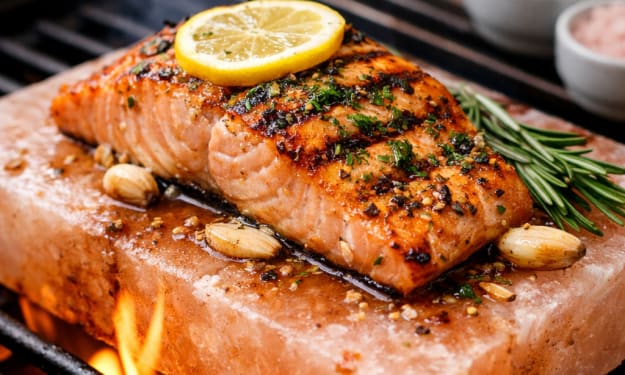
Grilled Salmon on Himalayan Pink Salt Bricks: Extraordinary Taste
That smoky piece of grilled salmon? People love how it tastes, full and hearty, yet light on the body thanks to good fats. Still, nailing the taste at home trips up plenty - too much salt shows up fast, or worse, the flesh turns stiff and parched before it's done.
By Hendra Edwardabout 9 hours ago in Feast
Why Didn't Anyone Tell Us
Men, move along. This is not for you. This is for the women. I was forty-five when I began menopause. It is pretty young for that to be going on in a woman’s life, but I had undiagnosed PCOS, my entire life. Thank you to all the gynecologists I had seen my entire life. That in itself should encourage women to keep seeking second opinions, especially when you are not getting correct answers or any at all.
By Alexandra Grant3 days ago in Humans



Comments
There are no comments for this story
Be the first to respond and start the conversation.