
The impact of digital media on traditional arts
Art has always been an evolving form of human expression, reflecting cultural, social, and technological advancements.


Traditional arts, which include painting, sculpture, theater, music, and literature, have long been the backbone of artistic expression. However, with the rapid rise of digital media, the landscape of art has undergone significant transformations. Digital media has not only influenced the way art is created and consumed but has also reshaped its accessibility, preservation, and monetization. While some argue that digital media threatens traditional arts, others believe it enhances and revitalizes them. This article explores the multifaceted impact of digital media on traditional arts, highlighting both challenges and opportunities.
Transformation of Artistic Creation
One of the most significant impacts of digital media on traditional arts is the transformation of the creative process. Digital tools such as graphic design software, digital painting applications, and animation programs have enabled artists to explore new forms of expression. Traditional painters can now use digital brushes to create stunning artworks without needing physical materials. Sculptors can design 3D models using software before creating physical sculptures.
Furthermore, musicians and composers have embraced digital audio workstations (DAWs) to compose, record, and edit music without the need for expensive studio equipment. Even theater performances have integrated digital elements such as projection mapping and virtual reality to enhance storytelling. These advancements allow artists to push the boundaries of their craft and experiment with innovative techniques that were previously unimaginable.
Increased Accessibility and Global Reach
Before the digital age, traditional arts were often limited to galleries, theaters, and physical exhibitions. Now, with digital platforms such as social media, streaming services, and online galleries, artists can showcase their work to a global audience. Websites like Instagram, Behance, and DeviantArt provide visual artists with instant exposure, while musicians can reach millions of listeners on platforms like Spotify, SoundCloud, and YouTube. Writers can self-publish books on Kindle Direct Publishing (KDP) or share short stories on platforms like Vocal Media.
This increased accessibility has democratized the arts, allowing independent artists to gain recognition without relying on traditional gatekeepers such as art dealers, publishers, or record labels. Additionally, digital platforms enable artists from underrepresented communities to share their work and gain visibility in ways that were previously difficult.
Challenges to Traditional Art Forms
Despite its advantages, digital media also poses challenges to traditional arts. The widespread availability of digital content has led to concerns about originality and authenticity. Digital replication makes it easier for art to be copied and distributed without proper credit or compensation to the original creators. For instance, piracy is a significant issue for musicians, filmmakers, and writers, as their work can be illegally shared online, impacting their earnings.
Moreover, the shift to digital consumption has led to a decline in traditional art experiences. Museums, theaters, and bookstores have seen reduced foot traffic as more people turn to digital alternatives. The tactile experience of a physical painting, the ambiance of a live theater performance, or the smell of a newly printed book cannot be fully replicated in the digital world. As a result, some traditional artists struggle to adapt and find sustainable ways to continue their craft.
Preservation and Evolution of Art Forms
On the other hand, digital media has played a crucial role in the preservation of traditional arts. Museums and libraries have digitized priceless artworks, manuscripts, and historical artifacts, ensuring that they remain accessible for future generations. Online archives allow scholars and enthusiasts to study ancient art forms without the risk of damage to the original pieces.
Moreover, digital media has given rise to new art movements that blend traditional techniques with modern technology. For example, digital painting combines classical art principles with the flexibility of digital tools. Similarly, hybrid forms of music integrate traditional instruments with electronic elements, creating unique sounds that appeal to contemporary audiences.
Monetization and New Opportunities
The digital era has opened up new opportunities for artists to monetize their work. Platforms like Patreon, Kickstarter, and NFTs (non-fungible tokens) allow artists to sell their creations directly to supporters without relying on intermediaries. Musicians can earn from streaming royalties, while visual artists can sell digital prints or commission work online. Writers can publish e-books or offer exclusive content through subscription models.
Additionally, digital media has expanded career opportunities for artists beyond traditional roles. Graphic designers, video game artists, and social media influencers leverage their artistic skills in lucrative industries. Even traditional artists can diversify their income by offering online courses, live streaming their creative process, or collaborating with brands.
Conclusion
The impact of digital media on traditional arts is complex, bringing both challenges and opportunities. While some fear that digital advancements may overshadow traditional art forms, others see it as an evolution rather than a replacement. Digital tools have revolutionized artistic creation, expanded accessibility, and opened new financial opportunities. However, issues such as piracy, the loss of physical experiences, and the struggle of traditional institutions must be addressed. Ultimately, digital media has the power to preserve, transform, and innovate the arts, ensuring that creativity continues to thrive in the modern world. Traditional arts will not disappear; rather, they will adapt, merge, and evolve alongside digital advancements, keeping the essence of artistic expression alive for generations to come.
About the Creator
Badhan Sen
Myself Badhan, I am a professional writer.I like to share some stories with my friends.
Keep reading
More stories from Badhan Sen and writers in Feast and other communities.
The impact of digital media on traditional arts
Traditional arts, such as painting, sculpture, music, dance, and theater, have been practiced for centuries, with techniques passed down through generations. However, the advent of digital media has dramatically changed how artists create, distribute, and consume art, leading to both challenges and opportunities for traditional forms of artistic expression.
By Badhan Sen11 months ago in Feast
My Tous les Jours Trip
As someone who lives in a rural area, I don't get the chance to visit fancy restaurants or bakeries that often. So, when a friend told me about a French-Asian bakery that's less than an hour away, I knew I had to check it out and grab some pictures for social media. Tous les Jours ended up providing an immersive experience that went above and beyond my expectations--although I did leave with a few reservations.
By Kaitlin Shanks24 days ago in Feast
Global Fruit Snacks Market Set to Double by 2033 as Healthier Snacking Takes Center Stage
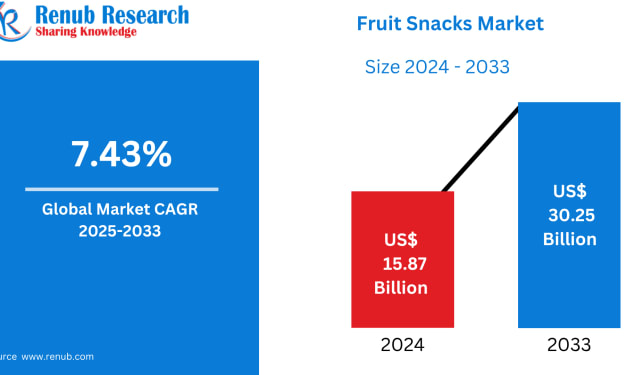
Global Fruit Snacks Market Size & Forecast 2025–2033 The Global Fruit Snacks Market was valued at US$ 15.87 billion in 2024 and is expected to grow to US$ 30.25 billion by 2033, registering a strong CAGR of 7.43% during 2025–2033, according to Renub Research. This robust expansion is being driven by a powerful combination of changing consumer lifestyles, increasing health awareness, and the global shift toward convenient, naturally derived snack foods.
By jaiklin Fanandishabout 7 hours ago in Feast



Comments
There are no comments for this story
Be the first to respond and start the conversation.