
The Healing Power of Garlic: A Comprehensive Guide to its Health Benefits
Discover How Garlic Can Help Prevent and Treat a Range of Diseases and Conditions, from Cardiovascular Disease to Skin Problems


Garlic is a versatile and flavorful ingredient that is used in cuisines around the world. But beyond its culinary uses, garlic has a range of health benefits that have been recognized for centuries. From boosting the immune system to reducing the risk of chronic diseases, garlic is a superfood that should be a regular part of your diet.
Here are some of the key health benefits of garlic:
Boosts the Immune System: Garlic contains compounds like allicin, which have antimicrobial properties. These compounds can help to boost the immune system and fight off infections like colds and flu.
Lowers Blood Pressure: Garlic has been shown to have a positive effect on blood pressure, with some studies suggesting that it may be as effective as medication in lowering blood pressure in people with hypertension.
Reduces the Risk of Cardiovascular Disease: Garlic has been linked to a reduced risk of heart disease and stroke. It can help to lower cholesterol levels, reduce inflammation, and improve blood flow, all of which are important factors in maintaining cardiovascular health.
May Help to Prevent Cancer: Some studies have suggested that garlic may have anti-cancer properties, particularly when it comes to reducing the risk of stomach and colon cancer. However, more research is needed to confirm these findings.
Improves Digestive Health: Garlic can help to improve digestion by stimulating the production of digestive enzymes. It may also help to reduce inflammation in the gut, which can improve overall digestive health.
May Improve Athletic Performance: Garlic has been shown to improve exercise performance in some studies, possibly by reducing fatigue and increasing endurance.
Promotes Healthy Skin: Garlic contains antioxidants that can help to protect the skin from damage caused by free radicals. It may also have antibacterial properties that can help to prevent acne and other skin infections.
May Improve Bone Health: Some studies have suggested that garlic may have a positive effect on bone health, possibly by increasing bone density and reducing the risk of osteoporosis.
When it comes to incorporating garlic into your diet, there are many options. You can add it to dishes like soups, stews, and stir-fries, or roast it and spread it on bread. Some people even take garlic supplements, although it's important to speak to a healthcare professional before starting any new supplement regimen.
It's worth noting that while garlic has many potential health benefits, it can also have some side effects. Some people may experience stomach upset, heartburn, or bad breath after consuming garlic. It may also interact with certain medications, so it's important to speak to a healthcare professional before adding garlic to your diet or supplement routine.
Garlic is known to have several health benefits and has been used for centuries as a natural remedy for various ailments. Here are some of the diseases and conditions that garlic is believed to be beneficial for:
Cardiovascular disease: Garlic is known to lower blood pressure and reduce the risk of heart disease. It helps to reduce the amount of cholesterol in the blood, which in turn helps to prevent plaque buildup in the arteries.
Cancer: Several studies have suggested that garlic may help to prevent certain types of cancer, including colon, stomach, and prostate cancer. This is due to its high antioxidant content, which helps to protect cells from damage.
Infections: Garlic has powerful antibacterial and antiviral properties, which makes it an effective natural remedy for fighting infections. It is particularly effective against bacteria that are resistant to antibiotics.
Respiratory problems: Garlic is known to be beneficial for respiratory problems such as asthma, bronchitis, and colds. It helps to clear the airways and reduce inflammation in the lungs.
Digestive problems: Garlic can help to improve digestion and reduce the symptoms of digestive disorders such as diarrhea and colitis. It also helps to stimulate the production of digestive enzymes.
Diabetes: Garlic has been shown to help regulate blood sugar levels in people with diabetes. It helps to increase insulin sensitivity and improve glucose metabolism.
Arthritis: Garlic has anti-inflammatory properties that can help to reduce the symptoms of arthritis. It helps to reduce inflammation in the joints and improve mobility.
Cognitive function: Garlic has been shown to improve cognitive function and reduce the risk of age-related cognitive decline. It helps to improve blood flow to the brain and protect against oxidative stress.
Skin problems: Garlic can be used topically to treat skin problems such as acne, psoriasis, and eczema. It has antibacterial and antifungal properties that can help to clear up infections and reduce inflammation.
In summary, garlic is a superfood that has been recognized for its health benefits for centuries. From boosting the immune system to reducing the risk of chronic diseases, garlic is a versatile and flavorful ingredient that can improve your overall health and wellbeing.
About the Creator
MEHMET CALISKAN
6be465ca83422ab5303f52ba68c9181463a2d9eecc505aa11d28f715361fce4e
Keep reading
More stories from MEHMET CALISKAN and writers in Feast and other communities.
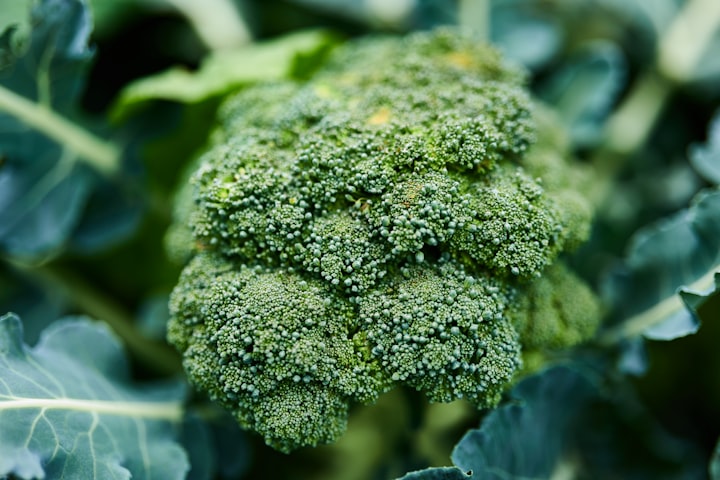
The Superfood You Need to Know About: The Health Benefits of Broccoli
Broccoli is a green vegetable that is packed with vitamins, minerals, and antioxidants. This nutrient-dense vegetable has been found to have a range of health benefits for the human body, from reducing inflammation to promoting healthy digestion. In this article, we will explore the effects of broccoli on the human body in more detail.
By MEHMET CALISKAN3 years ago in Feast
My Tous les Jours Trip
As someone who lives in a rural area, I don't get the chance to visit fancy restaurants or bakeries that often. So, when a friend told me about a French-Asian bakery that's less than an hour away, I knew I had to check it out and grab some pictures for social media. Tous les Jours ended up providing an immersive experience that went above and beyond my expectations--although I did leave with a few reservations.
By Kaitlin Shanks23 days ago in Feast
North America Pasta Market Size & Forecast 2025–2033
Introduction Pasta has quietly transformed from a traditional Italian staple into a universal comfort food across North America. Once associated mainly with classic recipes and home cooking, it now appears in gourmet menus, meal kits, microwaveable bowls, and plant-based diets. According to Renub Research, the North America pasta market was valued at US$ 6.23 billion in 2024 and is projected to reach US$ 8.91 billion by 2033, expanding at a CAGR of 4.05% from 2025 to 2033.
By Janine Root 7 days ago in Feast



Comments
There are no comments for this story
Be the first to respond and start the conversation.