

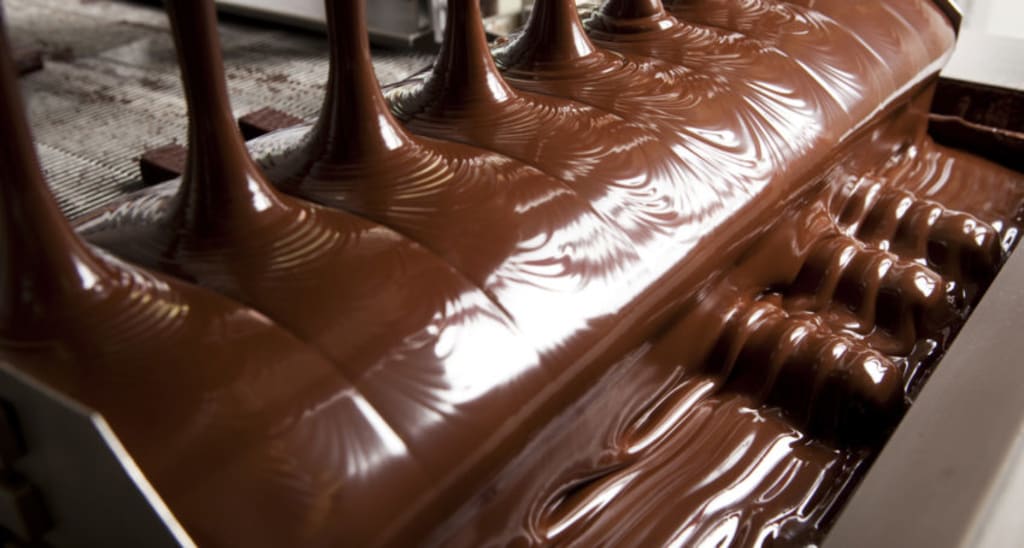
The world of chocolates is a rich and diverse one, with a long and fascinating history that spans centuries and continents. From the ancient Maya and Aztec cultures of Mesoamerica to the European chocolate houses of the 18th and 19th centuries, chocolate has played a central role in human culture for millennia.
The story of chocolate begins in the tropical rainforests of Central and South America, where the cacao tree (Theobroma cacao) is native. The Maya and Aztec peoples of Mesoamerica were the first to cultivate cacao, and they prized the beans for their rich flavor and medicinal properties. They believed that cacao had magical and spiritual powers, and used it in religious ceremonies and as a currency.
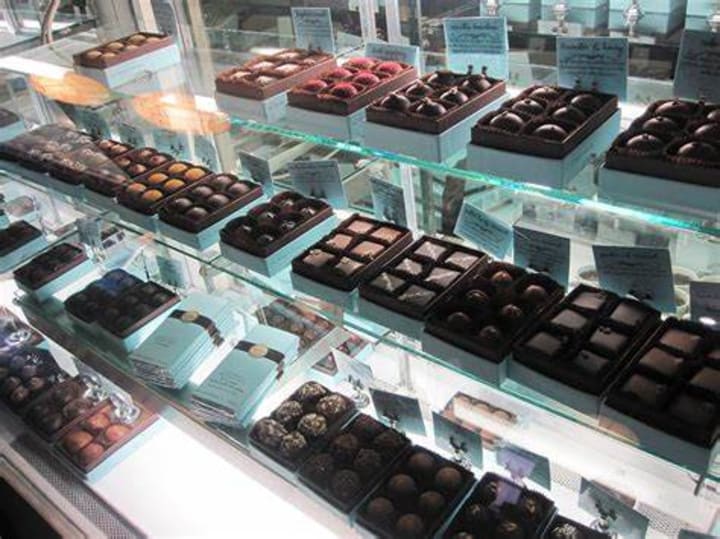
The process of making chocolate in ancient Mesoamerica was quite different from the modern methods we use today. The cacao beans were first fermented and then roasted, after which they were ground into a paste with a stone metate and mixed with water, spices, and sometimes cornmeal or honey to make a frothy, bitter drink called xocolātl.
It wasn't until the 16th century that chocolate made its way to Europe, thanks to Spanish conquistadors like Hernán Cortés, who introduced it to the court of King Charles V. At first, chocolate was still consumed primarily as a bitter drink, but Europeans soon began experimenting with different ways of preparing it.
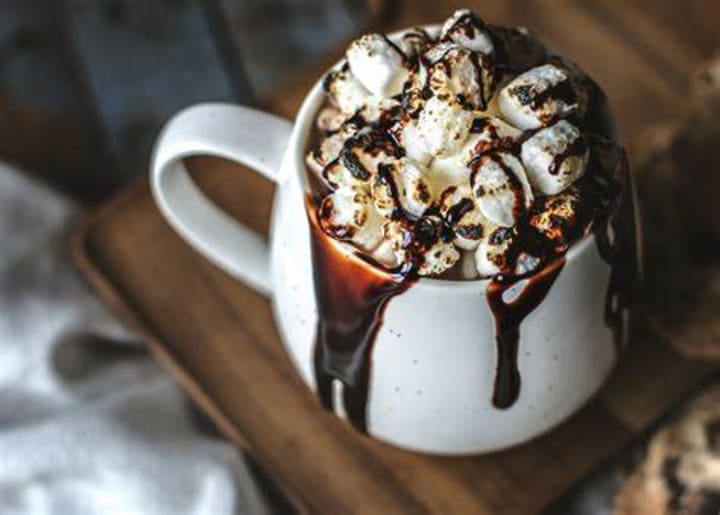
One of the first significant changes was the addition of sugar, which made the drink much more palatable. Europeans also began adding milk to the drink, creating a sweeter, creamier beverage that became known as hot chocolate.
By the 18th century, chocolate had become a luxury item for the wealthy in Europe. Chocolate houses, modeled after the coffee houses that were popular at the time, sprang up in cities like London and Paris, where people would gather to drink hot chocolate, socialize, and conduct business.

The industrial revolution of the 19th century brought significant changes to the world of chocolate. New machines were invented that made it easier and more efficient to process cacao beans, and chocolate began to be mass-produced for the first time. As a result, chocolate became more affordable and widely available to people of all social classes.
Today, the world of chocolate is a vast and complex one. There are countless varieties of chocolate, each with its unique flavor, texture, and aroma. Dark chocolate is perhaps the most well-known, with its rich, intense flavor and high cacao content. Milk chocolate, with its creamy sweetness, is another popular choice, while white chocolate, made from cocoa butter, sugar, and milk, has a milder flavor and a smooth, creamy texture.
In addition to these traditional types of chocolate, there are also many specialty chocolates available today. Some chocolatiers create chocolates with unique flavorings, such as chili peppers, lavender, or sea salt, while others use different types of cacao beans to create chocolate with distinct flavors and aromas.

One of the most significant recent trends in the world of chocolate has been the rise of artisanal chocolate makers. These small-batch producers often work directly with cacao farmers to source the best beans and use traditional, labor-intensive methods to create their chocolate. As a result, artisanal chocolates are often more expensive than mass-produced chocolates, but they offer a level of quality and complexity that is hard to find elsewhere.
Beyond its delicious taste, chocolate also has many potential health benefits. Studies have suggested that eating dark chocolate in moderation may help lower blood pressure, improve heart health, and reduce the risk of certain types of cancer. Chocolate is also rich in antioxidants, which can help protect the body against damage from free radicals.
Despite its many benefits, however, chocolate is not without its downsides.
About the Creator
Shilpa Rawade
Shilpa Rawade is a master of the written word,expertly navigating the realms of poetry,story telling,beauty tips,and recipes.
Keep reading
More stories from Shilpa Rawade and writers in Feast and other communities.
My Tous les Jours Trip
As someone who lives in a rural area, I don't get the chance to visit fancy restaurants or bakeries that often. So, when a friend told me about a French-Asian bakery that's less than an hour away, I knew I had to check it out and grab some pictures for social media. Tous les Jours ended up providing an immersive experience that went above and beyond my expectations--although I did leave with a few reservations.
By Kaitlin Shanks28 days ago in Feast




Comments
There are no comments for this story
Be the first to respond and start the conversation.