
"The Art of Mindful Eating: How to Savor Every Bite and Transform Your Relationship with Food"
Nourishing Body and Soul: Mastering the Art of Mindful Eating
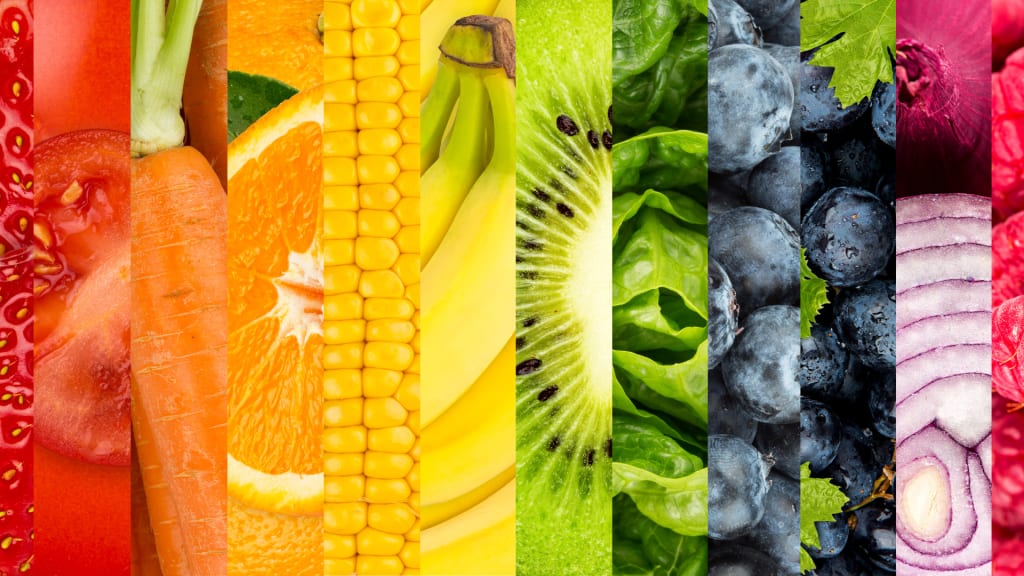
In a world filled with fast food, hectic schedules, and mindless munching, it's time to rediscover the beauty and joy of mindful eating. Imagine savoring each bite, engaging your senses, and nourishing not only your body but also your soul. The art of mindful eating goes beyond the act of consuming food; it is a transformative practice that can bring about a profound shift in your relationship with food. So, let's embark on a journey of mindfulness, where we learn to savor every bite and cultivate a harmonious connection with the nourishment that sustains us.
What is Mindful Eating?
Mindful eating is the practice of paying deliberate attention to the present moment, engaging all your senses, and being fully aware of the food you consume. It involves bringing non-judgmental awareness to your eating experience, including the flavors, textures, smells, and even the thoughts and emotions that arise. By incorporating mindfulness into your meals, you can break free from unhealthy eating patterns, develop a deeper appreciation for food, and make conscious choices that honor your body's needs.
Cultivate Awareness:
Begin by creating a space of awareness before you even take a bite. Take a moment to pause, connect with your breath, and set an intention to eat with mindfulness. Release any distractions, such as electronic devices or racing thoughts, and bring your attention solely to the present moment and the nourishment in front of you.
Engage Your Senses:
As you take your first bite, engage your senses fully. Observe the colors, shapes, and textures of the food. Inhale the aromas and appreciate the flavors as they dance on your taste buds. Allow yourself to be fully present and immersed in the sensory experience that each bite brings.
Slow Down and Chew:
In our fast-paced world, we often rush through meals without truly tasting or appreciating the food. Slow down the pace of your eating and savor each bite. Chew slowly and mindfully, experiencing the texture and flavors unfolding in your mouth. Not only does this enhance the enjoyment of your meal, but it also aids digestion and allows your body to register feelings of satiety.
Notice Hunger and Fullness Cues:
Practice tuning in to your body's signals of hunger and fullness. Pay attention to the subtle shifts in your appetite as you eat. Pause throughout the meal to check in with yourself and assess your level of satisfaction. Are you truly hungry or eating out of habit or emotions? Learn to honor your body's cues and eat until you feel comfortably satisfied, rather than overly full.
Non-Judgmental Awareness:
Practice non-judgmental awareness when it comes to your thoughts and emotions around food. Observe any tendencies to label food as "good" or "bad" and release any guilt or shame associated with eating. Cultivate self-compassion and embrace a mindset of nourishment and balance, rather than restriction or deprivation.
Mindful Food Choices:
Mindful eating also extends to the choices you make when it comes to food. Tune in to your body's needs and preferences, and make conscious decisions that support your well-being. Choose foods that nourish you and bring you joy, while also considering the impact on the environment and sustainability.
Gratitude and Appreciation:
Express gratitude for the food on your plate and the abundance that surrounds you. Reflect on the journey of the food from farm to table, and appreciate the effort and resources that went into its creation. Let gratitude infuse each bite, and let it extend beyond the mealtime to a broader appreciation for the interconnectedness of all beings.
By incorporating the art of mindful eating into your life, you have the power to transform your relationship with food and nourish yourself on a deeper level. Here are a few additional tips to help you along your journey:
Create a Sacred Space: Designate a peaceful and inviting space for your meals. Clear away distractions and create an environment that promotes relaxation and mindfulness. This can be as simple as setting a beautifully arranged table or finding a quiet spot in nature to enjoy your meal.
Practice Mindful Cooking: Extend mindfulness to the preparation of your food. Engage in the process of cooking with intention and attention. Notice the colors, smells, and textures of the ingredients as you chop, stir, and sauté. Connect with the nourishing qualities of the food you're preparing.
Mindful Eating Beyond the Table: Mindful eating isn't limited to mealtimes alone. Extend it to snacks and eating on the go. Pause before mindlessly reaching for a snack and check in with your hunger levels. Ask yourself if you're truly hungry or if there's an underlying emotion driving the desire to eat. Choose snacks that align with your body's needs and savor them with the same level of mindfulness as a full meal.
Embrace Imperfection: Remember, mindful eating is a practice, and it's not about being perfect. There will be times when you eat unconsciously or make choices that don't align with your intentions. Approach these moments with kindness and curiosity, using them as opportunities to learn and grow.
Seek Support: Consider joining a mindful eating group or seeking guidance from a registered dietitian or therapist who specializes in this area. Having a supportive community or professional guidance can provide valuable insights and accountability on your mindful eating journey.
Embracing the art of mindful eating has the potential to revolutionize your relationship with food and transform the way you nourish yourself. It's an invitation to slow down, be present, and find joy in every bite. By savoring the flavors, textures, and nourishment that food offers, you can cultivate a deeper connection to yourself, the environment, and the world around you. So, take a deep breath, pick up your fork, and embark on a mindful eating adventure that will nourish not only your body but also your soul.
About the Creator
Keep reading
More stories from Carmen Galloway and writers in Feast and other communities.
"The Truth About Carbs: Debunking Myths and Understanding Their Role in a Healthy Diet"
Carbohydrates, or "carbs" as they are commonly known, have long been a topic of controversy and confusion in the realm of nutrition. From fad diets demonizing them to conflicting information about their impact on health, it's time to set the record straight and uncover the truth about carbs. Prepare to be enlightened and inspired as we debunk myths and unravel the vital role that carbohydrates play in a healthy, balanced diet.
By Carmen Galloway3 years ago in Feast
My Tous les Jours Trip
As someone who lives in a rural area, I don't get the chance to visit fancy restaurants or bakeries that often. So, when a friend told me about a French-Asian bakery that's less than an hour away, I knew I had to check it out and grab some pictures for social media. Tous les Jours ended up providing an immersive experience that went above and beyond my expectations--although I did leave with a few reservations.
By Kaitlin Shanks23 days ago in Feast
Organic Baby Food Market Companies Analysis (2025–2033)
Introduction: A New Standard for Infant Nutrition The global Organic Baby Food Market is undergoing a transformative shift as modern parents increasingly demand clean, transparent, and sustainable nutrition for their children. Organic baby food—made without synthetic fertilizers, artificial preservatives, genetically modified organisms (GMOs), or chemical pesticides—has moved from a niche category to a mainstream necessity. Rising awareness of food safety, health outcomes, and environmental sustainability is reshaping consumer behavior worldwide.
By Aaina Oberoi7 days ago in Feast




Comments
There are no comments for this story
Be the first to respond and start the conversation.