
The art of Algerian baking
Algerian culture in baking and cooking
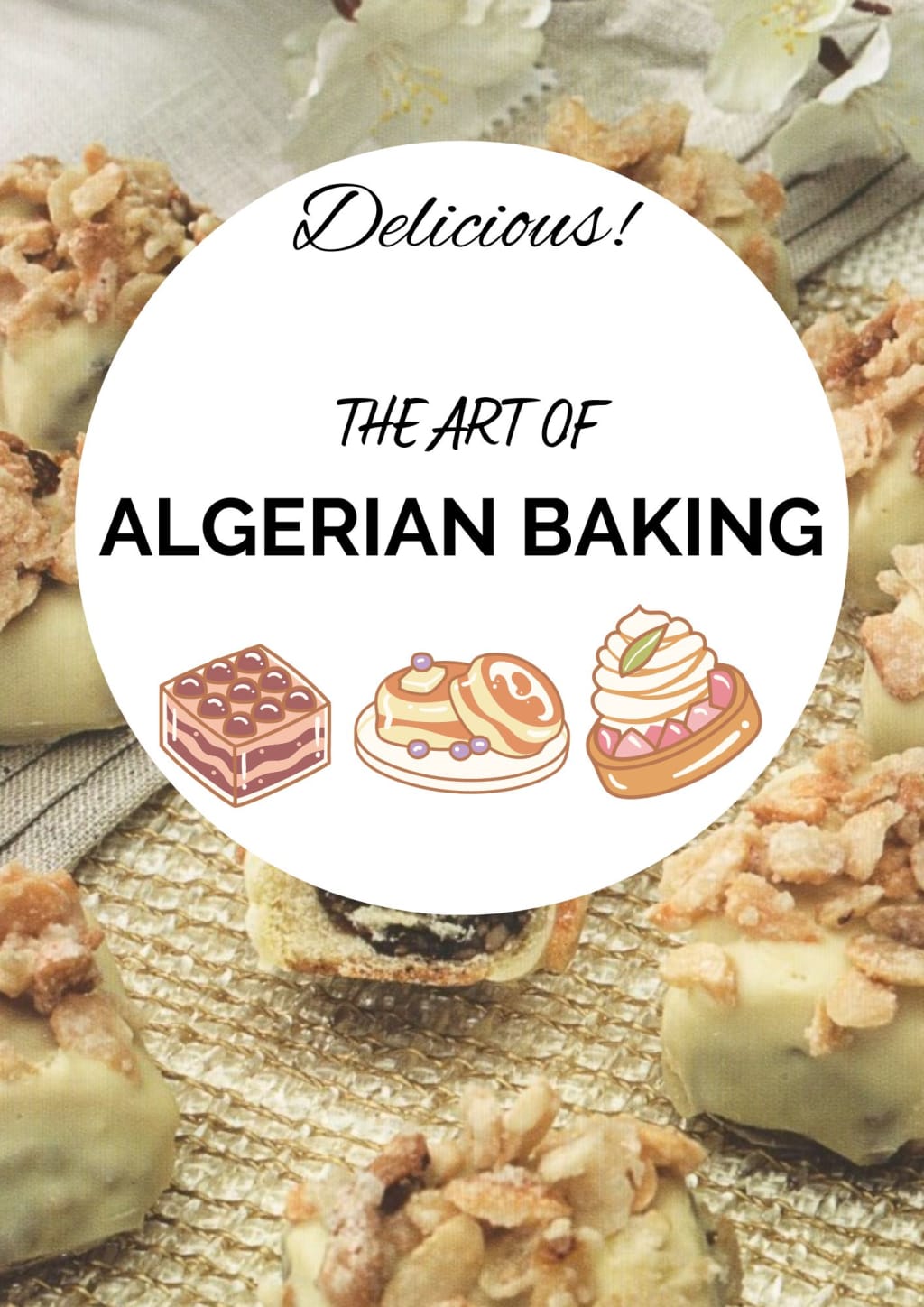
The art of Algerian baking is a rich culinary tradition that has been passed down through generations, steeped in history and cultural significance. Algerian cuisine is known for its bold flavors, unique combinations of ingredients, and intricate techniques that result in an array of delicious and visually stunning baked goods. From sweet to savory, Algerian baking encompasses a wide range of treats that are beloved in Algerian households and hold a special place in the hearts of its people.
The art of Algerian baking is deeply rooted in the country's history and diverse cultural influences. Algeria, located in North Africa, has been a crossroads of different civilizations over the centuries, including Berber, Arab, French, Ottoman, and Spanish influences, all of which have contributed to the rich and diverse culinary heritage of the region.
One of the key ingredients in Algerian baking is semolina, a coarse flour made from durum wheat. Semolina is used in many Algerian baked goods to create a unique texture and flavor. For example, Makrout, a popular Algerian pastry, is made from semolina dough that is filled with sweet date paste, shaped, and deep-fried until crispy. The semolina gives the dough a distinctively crunchy texture that is a hallmark of Algerian baking.
Another key ingredient in Algerian baking is honey, which is often used as a sweetener and flavor enhancer. Algerian honey is known for its rich, aromatic flavors, and is used in many traditional baked goods, such as Ghriba, a crumbly and rich shortbread cookie. Ghriba is made from a simple dough of butter, sugar, flour, and flavorings like almond or sesame, and is often drizzled with honey after baking to add a touch of sweetness and moisture.
Dates are also a staple ingredient in Algerian baking, as Algeria is one of the world's largest producers of dates. Dates are often used as a filling in pastries like Makrout and in sweet treats like Aseeda, a traditional Algerian dessert made from semolina, dates, and butter, cooked until creamy and served with a drizzle of honey or syrup. Dates add natural sweetness, moisture, and a rich caramel-like flavor to Algerian baked goods.
In addition to semolina, honey, and dates, Algerian baking also features an array of fragrant spices that are used to add depth and complexity to the flavors. Cinnamon, anise, orange blossom water, and rose water are commonly used in Algerian baked goods to add a touch of warmth, floral notes, and aroma. These spices are carefully measured and balanced to create a harmonious blend of flavors that is characteristic of Algerian baking.
Algerian baking is also known for its intricate techniques that require skill and patience. For example, Kaak el'warka, a sesame and honey cookie, requires the dough to be shaped into rings or braids, brushed with honey, and coated with sesame seeds before baking. The process requires attention to detail and precision to achieve the perfect shape and texture.
Another technique commonly used in Algerian baking is layering, as seen in M'semen, a flaky, layered flatbread. The dough is stretched and folded multiple times, creating thin layers of dough and butter that result in a crispy and flaky texture when baked. This technique requires practice and expertise to achieve the desired results.
Algerian baking is a culinary art form that has been cherished for generations, passed down from one family to another, and enjoyed in homes and gatherings throughout Algeria. It is more than just a means of sustenance, but a reflection of the country's rich history, diverse culture, and deep-rooted traditions.
The art of Algerian baking is a labor of love that requires skill, precision, and patience. From the careful selection of ingredients to the meticulous preparation and baking techniques, each pastry and treat is crafted with care, resulting in unique flavors, textures, and aromas that are distinctly Algerian.
Algerian baking is not just about the end product, but also about the stories and memories that it evokes. The aroma of freshly baked Algerian pastries wafting through the kitchen, the joy of sharing them with loved ones during festive occasions, and the pride in preserving a culinary heritage are all part of the experience of Algerian baking.
In conclusion, the art of Algerian baking is a testament to the rich culinary traditions and cultural heritage of Algeria. It is a celebration of flavors, textures, and techniques that have been passed down through generations, and continue to be cherished by Algerians and food enthusiasts around the world. Whether it's the sweet Makrout, the crumbly Ghriba, or the fragrant Kaak el'warka, Algerian baking is a true culinary art form that delights the senses and carries with it the history and traditions of Algeria.
If you like the article. Check out the E-book of " The art of Algerian baking" on Amazon : GET YOUR COPY NOW
About the Creator
S.CHOUIREB
S.CHOUIREB is a skilled Algerian baker, passionate about crafting delicious baked goods. With expertise in traditional Algerian bread and pastries, S.CHOUIREB creates visually stunning treats using high-quality ingredients. #AlgerianBaker
Keep reading
More stories from writers in Feast and other communities.



Comments
There are no comments for this story
Be the first to respond and start the conversation.