
Japan Digital OOH Advertising Market: Size, Trends, and Future Outlook
How Urban Mobility, Digital Screens, and Data-Driven Media Are Transforming Outdoor Advertising in Japan
Market Overview
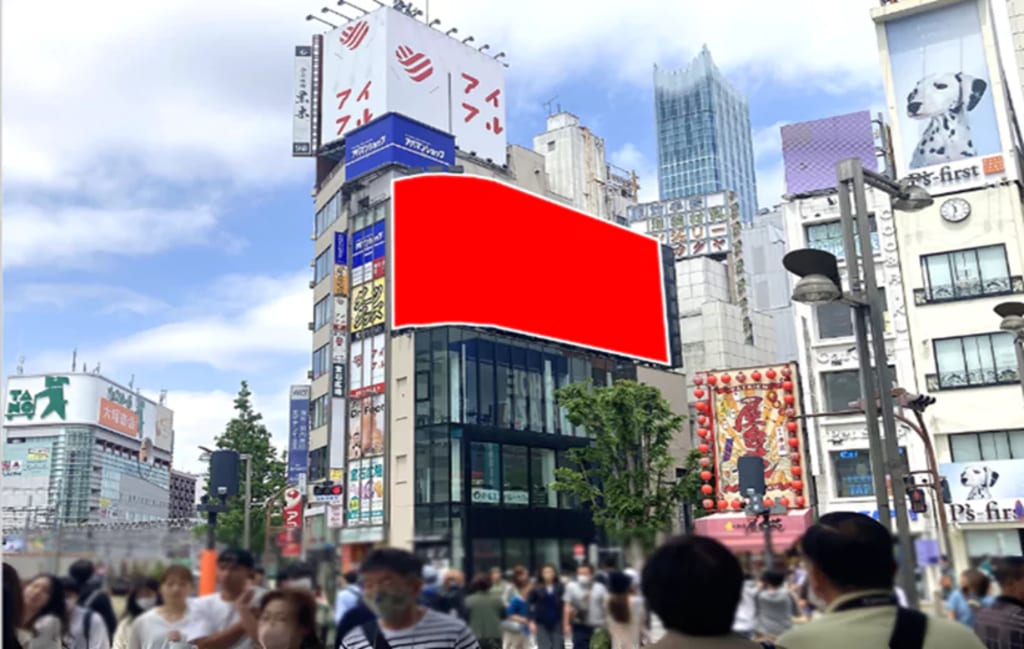
Digital out-of-home (DOOH) advertising has become a significant component of Japan’s modern media landscape. By replacing traditional static posters with digital screens, DOOH allows advertisers to deliver dynamic, time-sensitive, and context-aware messaging in public spaces such as train stations, shopping districts, airports, highways, and large commercial complexes. Japan’s dense urban design and high daily commuter volumes make it especially suitable for high-impact DOOH deployments.
The Japan digital OOH advertising market reached an estimated value of USD 1,402.6 million in 2025, reflecting widespread adoption of digital signage across transportation networks and urban centers. The market is expected to expand further and reach USD 3,252.1 million by 2034, supported by increasing use of programmatic advertising platforms, smart display infrastructure, and data-driven campaign planning. Growth is being driven by advertisers seeking greater flexibility, real-time content updates, and improved audience engagement compared with traditional out-of-home formats.
As outdoor media becomes more integrated with broader omnichannel strategies, DOOH is emerging as a measurable and adaptable medium that complements mobile, social, and online advertising channels.
Access a Free Sample PDF Copy of This Report and Discover In-Depth Analysis
Role of Innovation in Market Development
- Interactive and Dynamic Content Formats
Digital displays enable advertisers to present animated visuals, video creatives, and real-time messaging tailored to specific locations and times of day. Interactive features such as QR codes and touch-enabled screens are increasingly used to encourage viewer engagement and prompt follow-up actions, including mobile searches or online interactions.
- Programmatic Buying and Campaign Automation
Programmatic DOOH platforms are transforming how outdoor advertising inventory is planned and executed. Automated systems allow advertisers to select screen placements based on audience movement, time slots, and campaign objectives. This approach improves efficiency, reduces manual planning efforts, and allows faster adjustments during live campaigns.
- Audience Measurement and Performance Analytics
Advancements in audience measurement tools are making DOOH a more accountable advertising channel. Technologies that analyze foot traffic, dwell time, and estimated impressions help advertisers better understand exposure levels and assess campaign performance, increasing confidence in outdoor media investments.
Japan Digital OOH Advertising Industry Trends and Drivers
- High Urban Density and Public Transit Usage
Japan’s major metropolitan areas experience consistently high footfall due to extensive public transportation systems. Digital screens located in train stations, subways, underground malls, and pedestrian corridors provide repeated exposure to commuters, strengthening brand visibility and message recall.
- Integration with Mobile and Online Campaigns
DOOH advertising is increasingly deployed alongside mobile, social media, and online marketing initiatives. Advertisers often align outdoor messaging with digital promotions to create cohesive, cross-channel experiences that reinforce brand communication and improve overall campaign effectiveness.
- Demand for Flexible and Time-Sensitive Advertising
Digital formats allow content to be updated instantly, enabling location-specific, time-based, or event-driven campaigns. This flexibility is particularly valuable for retail promotions, entertainment launches, public events, and seasonal marketing activities that require quick deployment and adjustment.
Japan Digital OOH Advertising Market Segmentation
Format Type Insights
- Digital Billboards
- Video Advertising
- Ambient Advertising
- Others
Application Insights
- Outdoor
- Indoor
End-Use Industry Insights
- Retail
- Recreation
- Banking
- Transportation
- Education
- Others
Regional Insights
Kanto
Kansai / Kinki
Chubu
Kyushu–Okinawa
Tohoku
Chugoku
Hokkaido
Shikoku
This segmentation highlights the widespread use of digital OOH advertising across formats, industries, and regions throughout Japan.
Competitive Landscape
The Japan digital OOH advertising market includes screen network operators, media owners, advertising agencies, and technology platform providers. Competition is shaped by factors such as screen coverage, location quality, creative flexibility, and data capabilities. Providers that offer integrated solutions combining media inventory, analytics, and creative support are strengthening their positions in the market.
Market Outlook
The Japan digital OOH advertising market is expected to continue expanding as advertisers place greater emphasis on high-impact, flexible, and data-enabled media formats. Continued investment in smart city infrastructure, digital signage networks, and measurement technologies will support long-term market development. As consumer mobility patterns and digital engagement continue to evolve, DOOH advertising is likely to remain a core element of Japan’s advertising ecosystem.
About the Creator
Why Calabria Food Fest Is More Than a Food Festival
I’ve worked in digital marketing long enough to recognize patterns. Food festivals, especially, tend to follow a familiar script: vendors, crowds, photos, a weekend of activity—and then silence until the next edition.
By Anthony Neal Macri7 days ago in Feast
Emotional Struggles Behind Perfect Couples Shared Across Social Media Platforms
Social media has changed the perception of people regarding love and relationships. Millions of couples are posting smiling photographs, sensual text posts and well-edited events that seem perfect every day. Such images give an illusion that other people are happy and that they can always be happy without working hard. Although these posts might look harmless, most of them conceal emotional facts that cannot be seen. It is a complicated tale behind each ideal image with hardships, misunderstandings, and self-investigations that are almost never brought to the screen.
By Grace Smitha day ago in Feast



Comments
There are no comments for this story
Be the first to respond and start the conversation.