gmo
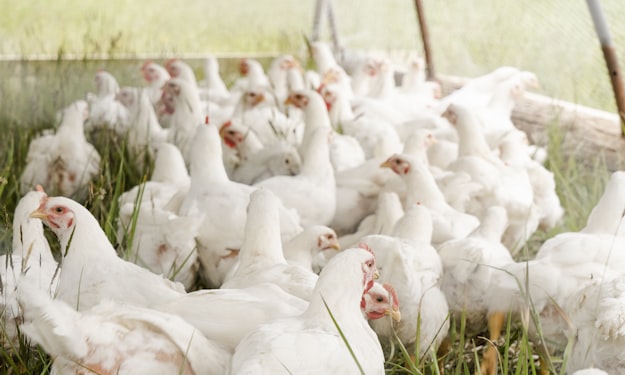
Genetically modified food. Is it good for us or a bad trend that needs to end?
What popular dishes originate from the ancient past that is still around today, and why they are surprisingly healthy?
Hummus - Hummus is a traditional Middle Eastern dip or spread that is believed to have originated in ancient Egypt. The main ingredients for hummus are chickpeas, tahini, lemon juice, and garlic. Chickpeas are a good source of protein, dietary fiber, and various vitamins and minerals. Tahini is made from sesame seeds and is a good source of healthy fats. Lemon juice is high in vitamin C, and garlic has various health benefits such as reducing high blood pressure and cholesterol levels. Overall, hummus is considered to be a healthy food when consumed in moderation.
By Persian Princes 3 years ago in Feast
Modern diets affect the overall lifespan.
Let us begin by first asking, " How did the ancients control their weight? There is no definitive answer to how ancient people controlled their weight. The weight control practices and beliefs varied depending on the culture and historical period in question. However ancient cultures and civilizations may have used methods such as physical exercise, dietary restrictions, and herbal remedies to control weight. Some ancient cultures also placed a great emphasis on maintaining healthy body weight as a sign of wealth and prestige.
By Persian Princes 3 years ago in Feast
Homemade Pizza Recipe
Pizza is one of the most popular foods in the world, and for good reason. It is easy to make, it is delicious, and it can be customized to your specific preferences. In this post, we are going to teach you how to make a sweet pizza at home. This pizza will be perfect for those days when you want something delicious but don’t want to spend a lot of time in the kitchen. We will be using a simple dough recipe and a variety of toppings to make this pizza perfect for any taste. From sweet to savory, this pizza is sure to satisfy your hunger. So what are you waiting for? Get started on your own sweet pizza today!
By Derrick Juma3 years ago in Feast
Best article for vegans
Cooking and consuming vegan food is becoming increasingly popular for a variety of reasons. One of the most important reasons is the environmental impact of animal agriculture. The production of meat, dairy, and eggs is a significant contributor to greenhouse gas emissions, deforestation, and water pollution. In fact, the United Nations has reported that the meat industry is responsible for 18% of greenhouse gas emissions, which is more than the combined exhaust from all transportation. In addition, the deforestation caused by animal agriculture is a major contributor to the loss of biodiversity and habitat destruction.
By Aryan Alam3 years ago in Feast
Happy New Year! 2023
2023: The Year We Make Contact! Imagine a future where, thirteen years after first contact, humans and aliens are finally beginning to coexist. It's a future where we've learned to live and work together, to share our knowledge and resources for the benefit of all. This is the future of 2023: The Year We Make Contact.
By mohammed larouci3 years ago in Feast
What is Genetic Engineering || Genetic Engineering Overview & Examples?
The modern field of genetic medicine began in the 1950s when scientists started to learn how to modify organisms to promote their health and longevity. Today, there are hundreds of genetically modified plants and animals being produced globally. According to a 2021 report by The Center for Science in the Public Interest (CSPI) at the University of Minnesota Libraries, these transgenic crops require strict regulations on production, distribution, sale, processing, transport, storage, handling, use and disposal (National Academies Press). These laws and policies apply not only to the creation of GMO seeds but also to the transportation of seeds from place to place. However, genetic modification can also be used to improve food quality. For example, it could provide an alternative to using pesticides, herbicides, or other chemicals with the goal of improving agricultural productivity. But, this technology can pose risks for people and animals and should be used responsibly by governments and individuals.
By Technogibran3 years ago in Feast