
Some of the benefits of eating Chicken
Protein-Packed: The Health Benefits of Chicken as a High-Quality Protein Source

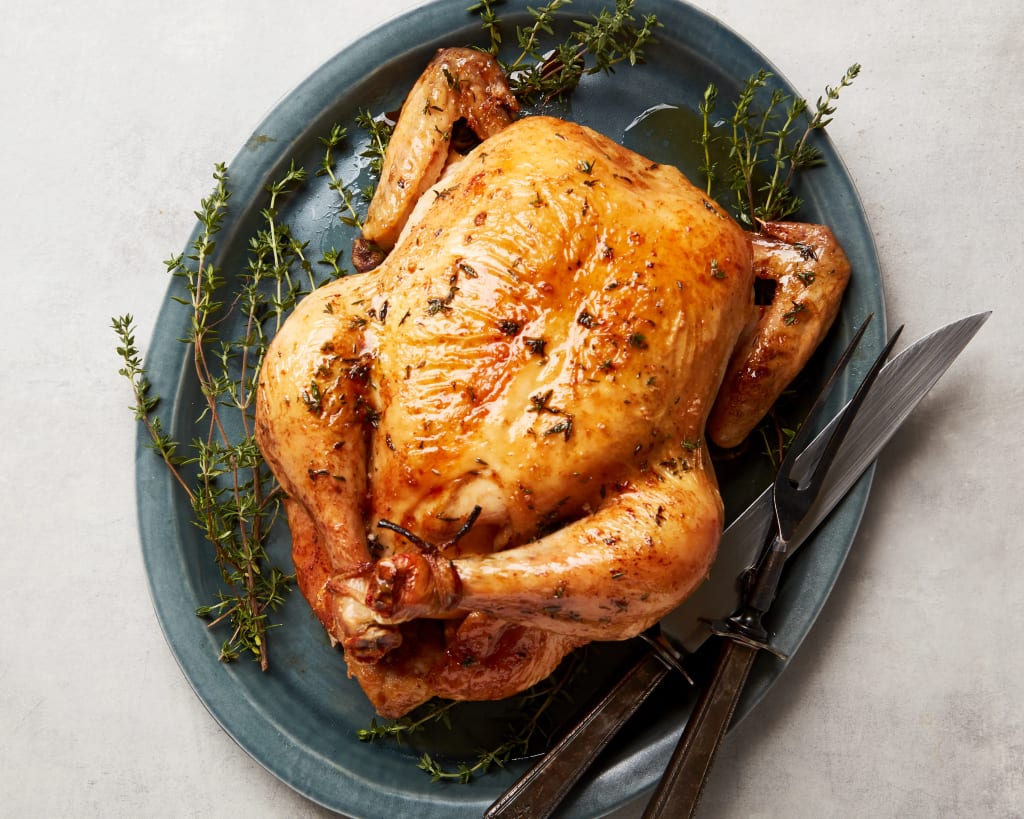
Eating chicken can have several benefits, but there are also some potential disadvantages to consider. Here is an overview of the advantages and disadvantages of eating chicken:
Advantages:
Protein: Chicken is a great source of high-quality protein. It contains all the essential amino acids that your body needs to build and maintain muscle mass, and it can be particularly beneficial for people who exercise regularly.
Low in fat: Chicken is relatively low in fat, particularly if you choose lean cuts like breast meat. This can make it a good choice for those trying to maintain a healthy weight or reduce their overall fat intake.
Vitamins and minerals: Chicken is a good source of several important vitamins and minerals, including niacin, vitamin B6, and selenium. These nutrients play important roles in maintaining overall health, supporting immune function, and regulating metabolism.
Heart health: Chicken can be a good choice for heart health, particularly if you choose skinless cuts. It is low in saturated fat and cholesterol, which can help reduce the risk of heart disease and stroke.
Versatile: Chicken can be cooked in many different ways, making it a versatile ingredient that can be used in a wide range of dishes. It can be grilled, roasted, stir-fried, or used in soups and stews.
Cost-effective: Chicken is often less expensive than other types of meat, making it an affordable source of protein for many people.
Easy to find: Chicken is widely available in most grocery stores and is usually easy to find.
Overall, eating chicken can be a healthy and convenient choice for many people, particularly when consumed in moderation as part of a balanced diet.
Disadvantages:
High in cholesterol: Chicken can be high in cholesterol, particularly in the skin and dark meat. This can be a concern for people who are at risk for heart disease or who have high cholesterol levels.
Risk of foodborne illness: Like all types of meat, chicken can carry harmful bacteria such as Salmonella and Campylobacter. This risk can be reduced by handling and cooking the chicken properly.
Environmental concerns: The production of chicken can have negative environmental impacts, particularly if the chickens are raised in factory farms with poor living conditions.
Storage and Food Safety of the Chicken:
Proper storage and handling of chicken is essential for food safety. Here are some tips for storing and handling chicken:
Store chicken in the refrigerator: Raw chicken should be stored in the refrigerator at a temperature of 40°F (4°C) or below. It should be wrapped securely and placed on a plate or in a container to prevent any juices from dripping onto other foods.
Use chicken within 2-3 days: Raw chicken should be used within 2-3 days of purchase or thawing, and cooked chicken should be consumed within 3-4 days.
Freeze chicken for longer storage: If you are not planning to use chicken within a few days, it can be frozen for longer storage. Wrap it tightly in plastic wrap and aluminum foil or place it in a freezer-safe container, and store it in the freezer at a temperature of 0°F (-18°C) or below.
Thaw chicken safely: If you are thawing frozen chicken, it should be thawed in the refrigerator, in cold water, or in the microwave. Never thaw chicken at room temperature, as this can allow harmful bacteria to grow.
Cook chicken to a safe temperature: Chicken should be cooked to an internal temperature of 165°F (74°C) to kill any harmful bacteria that may be present.
Avoid cross-contamination: To avoid cross-contamination, always wash your hands, cutting boards, utensils, and countertops thoroughly with hot, soapy water before and after handling raw chicken. Additionally, avoid using the same utensils or cutting boards for raw chicken and other foods.
By following these guidelines, you can help ensure the safety of your chicken and prevent the spread of harmful bacteria that can cause foodborne illness.
Conclusion:
Overall, eating chicken can be a healthy and convenient choice for many people. However, it is important to be aware of the potential risks and disadvantages associated with consuming chicken, particularly in terms of cholesterol and foodborne illness. By selecting lean cuts of chicken, handling and cooking the chicken properly, and considering the environmental impact of chicken production, it is possible to enjoy the benefits of this popular meat while minimizing the potential downsides.
About the Creator
My Starbucks Early Spring 2026 Menu Review
Late winter brought a flood of early spring ingredients to Starbucks' menu: a new chai recipe, coconut foam and syrup, and the return of lavender cold foam for your chai and lattes. The Iced Ube Coconut Macchiato looked particularly intriguing, and since I still had some gift card money left over from Christmas, I decided to review a few drinks and the limited-edition Frog Cake Pop.
By Kaitlin Shanksabout 6 hours ago in Feast
Pi Day Deals: Sweet Ways to Celebrate March 14 Every Year
Every year on March 14, something unusual happens across bakeries, pizza shops, and kitchens around the world. Math lovers smile, pie lovers celebrate, and people who never cared about numbers suddenly start searching for pie. That day is Pi Day. The date 3/14 matches the first digits of the famous mathematical constant 3.14, and over time it has grown into a celebration of food, curiosity, and simple joy. One of the biggest reasons people look forward to the day is the tradition of Pi Day deals. Restaurants and bakeries often offer pies, pizzas, and desserts at special prices. But Pi Day is not only about discounts. It is about gathering with friends, sharing food, and enjoying a small moment of fun built around a number that never ends.
By Muqadas khana day ago in Feast



Comments
There are no comments for this story
Be the first to respond and start the conversation.