
Russia Tequila Market Size and Forecast 2025–2033: A Rising Taste for Premium Spirits in a Vodka-Dominated Nation
As Russia’s cocktail culture flourishes and consumers lean toward luxury spirits, tequila emerges as a new symbol of sophistication — forecast to reach US$ 172.02 million by 2033 from US$ 131 million in 2024, growing at a CAGR of 3.08%.


Russia Tequila Market Overview
Once considered an exotic import, tequila is now carving a space in Russia’s evolving alcoholic beverage market. Although vodka remains deeply embedded in Russian drinking culture, the steady rise of tequila—particularly premium and ultra-premium variants—signals a new consumer direction. According to Renub Research, the Russia Tequila Market is projected to expand from US$ 131 million in 2024 to US$ 172.02 million by 2033, registering a CAGR of 3.08% during 2025–2033.
The expansion is propelled by the proliferation of bars, pubs, and restaurants, increasing exposure to Mexican cuisine and culture, supportive import dynamics, and Russia’s growing affinity for high-end alcoholic beverages. Brands such as Jose Cuervo, Don Julio, and Sauza dominate the market, while the growing visibility of tequila in Moscow and St. Petersburg bars fuels wider consumer acceptance.
Even though production within Russia faces restrictions due to tequila’s Denomination of Origin (DO)—limiting authentic production to Mexico—rising imports and diversified retail channels continue to support market growth.
Changing Consumer Preferences: Quality Over Quantity
A major transformation underway in Russia’s alcohol sector is the shift from mass-market spirits to premium and ultra-premium brands. Russian consumers increasingly view alcoholic beverages as lifestyle statements rather than just commodities. The average net-adjusted disposable income per capita in the country is around US$ 19,546 annually, enabling more consumers to afford imported and luxury drinks.
This wealth effect, combined with urban sophistication, drives the trend toward quality. Tequila’s premium variants—such as Añejo and Reposado—are being positioned as refined, artisanal products. High-end tequila brands now appeal to Russia’s growing upper-middle-class and young professionals who associate these beverages with exclusivity and craftsmanship.
Furthermore, around 70% of Russia’s population aged 15–64 is employed, indicating a large working-age base with spending power. These demographic factors reinforce the shift toward quality-oriented consumption patterns.
Rising Popularity Driven by Cocktail Culture
The rise of cocktail culture in Russia’s urban nightlife has been instrumental in elevating tequila’s profile. From Margaritas to Tequila Sunrises, bartenders in trendy Moscow and St. Petersburg lounges are creatively incorporating tequila into menus, reshaping its image from a party shot to a sophisticated drink.
The country’s younger consumers, influenced by global social media trends, now seek out unique flavor profiles and exotic drinks. The diversity of tequila-based cocktails appeals to both casual and experimental drinkers. This shift in preferences—away from traditional vodka shots toward customized cocktails—marks a significant cultural evolution in Russia’s urban drinking scene.
Restaurants and bars have also capitalized on this trend, pairing tequila with gourmet or fusion cuisine, often inspired by Mexican and Latin American influences. As the experiential dining scene grows, tequila’s association with innovation and celebration continues to strengthen.
Hospitality Industry Expansion Fuels Demand
The Russian hospitality and tourism industries are key catalysts for tequila’s growth. Urban centers such as Moscow, St. Petersburg, Kazan, and Yekaterinburg are experiencing a surge in fine-dining venues, lounges, and entertainment hubs that showcase international spirits. As premium bar chains and five-star hotels expand, the availability and variety of tequila brands increase accordingly.
The HoReCa (Hotel, Restaurant, and Café) sector has become a vital sales channel, introducing consumers to tequila through curated menus and tasting events. Furthermore, tequila’s adaptability in cocktails makes it a top choice for establishments aiming to differentiate their beverage offerings.
The ongoing modernization of Russia’s hospitality infrastructure, coupled with consumers’ interest in global drinking trends, ensures that tequila’s footprint continues to expand beyond niche markets.
Challenges in the Russia Tequila Market
High Import Taxes and Stringent Regulations
Tequila faces steep import tariffs and rigorous regulatory requirements, which can substantially raise retail prices. These taxes limit affordability for mid-income consumers, making tequila a largely premium product. Consequently, many price-sensitive customers continue to favor local spirits such as vodka, which benefit from lower taxation and wider availability.
Regulatory complexities related to alcohol labeling, licensing, and distribution also slow down new entrants. Such challenges restrict market penetration and delay expansion plans for smaller or emerging tequila brands.
Dependence on Imports
Due to the Denomination of Origin rules, tequila can only be produced in specific regions of Mexico. This dependency on imports makes Russia’s tequila market vulnerable to global logistics issues, exchange rate volatility, and supply chain disruptions. Delays in shipping or import approvals can affect product availability and pricing stability, hindering consistent market growth.
Regional Insights: Russia Tequila Market by Districts
Central District
Home to Moscow, the Central District dominates the Russian tequila market, driven by a robust hospitality sector and an expanding base of affluent consumers. The region’s lively nightlife and cocktail culture make it a hotspot for premium tequila consumption. Despite high import duties and fierce competition from vodka, Moscow’s cosmopolitan crowd continues to fuel demand for international spirits.
Volga District
Including cities like Kazan and Nizhny Novgorod, this district represents a growing market with untapped potential. The hospitality sector is flourishing, and consumer awareness about foreign spirits is on the rise. However, limited distribution and higher import costs remain barriers to faster adoption.
Urals District
The Urals District, encompassing Yekaterinburg and Chelyabinsk, is witnessing a steady increase in tequila consumption. Bars and restaurants in these urban centers are expanding their cocktail offerings, integrating tequila-based drinks. Although availability in smaller towns is limited, urbanization and international influence are gradually expanding the market base.
Northwestern and Siberian Districts
These regions, while smaller in market volume, are showing consistent growth as tequila becomes more accessible through online retail channels and specialty stores. Siberia’s emerging urban nightlife scene, particularly in cities like Novosibirsk, offers fresh opportunities for brand expansion.
Market Segmentation Overview
Segment Key Insights
Product Type Blanco dominates volume sales; premium Añejo and Reposado variants are gaining traction among connoisseurs.
Purity 100% agave tequila is witnessing faster growth as consumers favor natural, authentic products.
Price Range Mid-range tequila leads in volume; ultra-premium and super-premium segments drive value growth.
Distribution Channel Online retail is expanding rapidly, while supermarkets and HoReCa outlets remain core channels.
Regional Demand Moscow and St. Petersburg lead consumption; emerging cities like Yekaterinburg and Novosibirsk show rising interest.
Segmentation by Type:
Product Type: Blanco, Joven, Reposado, Añejo, Others
Purity: 100% Tequila, 60% Tequila, Other
Price Range: Value, Premium, Super-Premium, Ultra-Premium
Distribution:
Off-Trade: Supermarkets, Hypermarkets, Discount Stores, Online Stores
On-Trade: Restaurants, Bars, Liquor Stores, Others
Regions: Central, Volga, Urals, Northwestern, Siberian, Others
Key Players in the Russia Tequila Market
Leading global tequila producers dominate the Russian market through strong brand positioning, marketing, and partnerships with importers and distributors.
Key players include:
Jose Cuervo
Patron Spirits Company
Sauza Tequila
Don Julio
El Jimador
Herradura
1800 Tequila
Casamigos
Milagro Tequila
Avión Tequila
These brands leverage both off-trade retail channels and on-trade establishments to enhance visibility and build a loyal customer base. Marketing campaigns emphasizing craftsmanship, authenticity, and heritage have proven effective in appealing to Russian consumers’ growing appreciation for imported luxury spirits.
Future Outlook: Russia’s Tequila Market Beyond 2033
The Russia Tequila Market is poised for continued expansion as consumer sophistication deepens and the hospitality sector embraces innovation. Tequila’s integration into cocktail menus and luxury experiences will strengthen its presence in the country’s premium alcohol landscape.
Future growth drivers include:
Expanding online retail infrastructure for alcohol delivery
Rising awareness of Mexican culture and mixology
Increasing tourism and exposure to global drinking trends
Product diversification through limited editions and collaborations
However, sustained growth will depend on regulatory reforms, tax incentives for imports, and broader market education to position tequila beyond niche appeal.
Final Thoughts
Russia’s tequila market reflects the broader transformation of its alcohol industry—from traditional consumption patterns to a more cosmopolitan, experience-driven approach. While challenges persist, particularly in regulation and pricing, the steady rise of tequila in bars, restaurants, and online retail underscores its growing cultural relevance.
As premiumization continues to shape Russia’s beverage industry, tequila’s journey from an imported curiosity to a symbol of global sophistication is just beginning.
About the Creator
jaiklin Fanandish
Jaiklin Fanandish, a passionate storyteller with 10 years of experience, crafts engaging narratives that blend creativity, emotion, and imagination to inspire and connect with readers worldwide.
Keep reading
More stories from jaiklin Fanandish and writers in Feast and other communities.
Global Fruit Snacks Market Set to Double by 2033 as Healthier Snacking Takes Center Stage
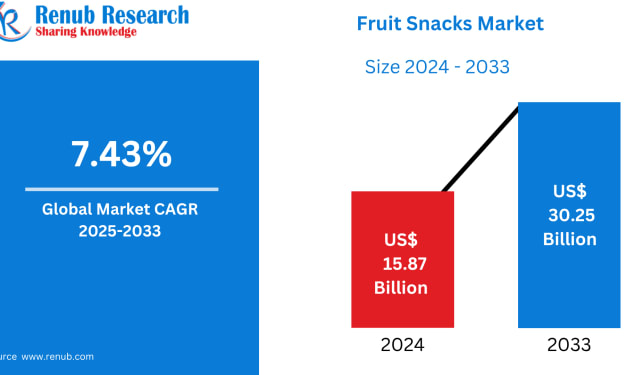
Global Fruit Snacks Market Size & Forecast 2025–2033 The Global Fruit Snacks Market was valued at US$ 15.87 billion in 2024 and is expected to grow to US$ 30.25 billion by 2033, registering a strong CAGR of 7.43% during 2025–2033, according to Renub Research. This robust expansion is being driven by a powerful combination of changing consumer lifestyles, increasing health awareness, and the global shift toward convenient, naturally derived snack foods.
By jaiklin Fanandisha day ago in Feast
My Tous les Jours Trip
As someone who lives in a rural area, I don't get the chance to visit fancy restaurants or bakeries that often. So, when a friend told me about a French-Asian bakery that's less than an hour away, I knew I had to check it out and grab some pictures for social media. Tous les Jours ended up providing an immersive experience that went above and beyond my expectations--although I did leave with a few reservations.
By Kaitlin Shanks25 days ago in Feast
Fun Facts About Popcorn
There are over 50 fun facts about popcorn, the popular snack loved by children and adults. All the popcorn trivia is interesting, but my favorite fun fact is that the popcorn sold in theaters around the world today was once banned in movie theaters.
By Margaret Minnicks2 days ago in Feast
Wild Card Weekend Recap: What Happens Now?
I think I figured out why I love Wild Card Weekend so much. It's because it's the first playoff anything of the calendar year. The NFL season starts in the fall, and once upon a time, the champion was crowned either on or slightly before New Year's. The evolution of the NFL schedule has resulted in the playoffs starting just into the New Year, and currently, the final week of the season falls on the first weekend of the New Year, with Wild Card Weekend coming a week after that. So yes, chronologically, the NFL's Wild Card Weekend serves as the first playoff anything of the calendar year.
By Clyde E. Dawkins7 days ago in Unbalanced



Comments
There are no comments for this story
Be the first to respond and start the conversation.