
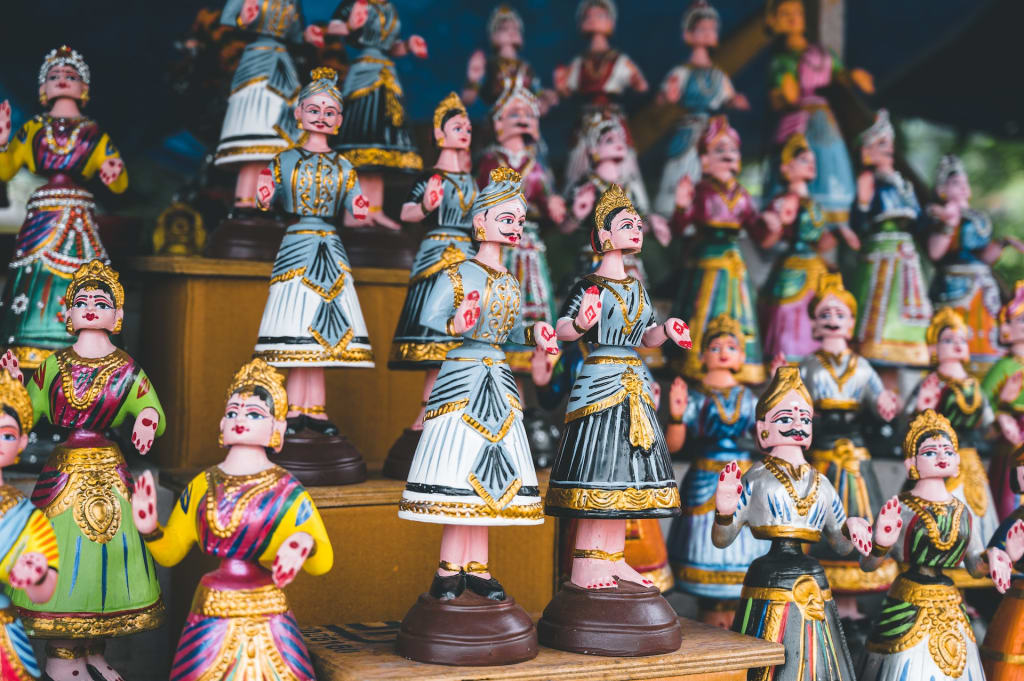
Pongal is a four-day harvest festival celebrated in Tamil Nadu, a southern state of India. It is typically celebrated in the month of January, and it is one of the most important festivals for the Tamil people. The name "Pongal" means "boiling over" or "overflowing," and it is celebrated to mark the start of the northeastern monsoon and the harvest of crops such as rice and sugarcane. The festival is marked by prayers to the sun, the moon, and the Lord of Prosperity, as well as to cows and bulls, which are seen as symbols of wealth and ploughing. The festival is also marked by traditional Pongal sweet dishes, dance, and music.
Bhogi Pongal:
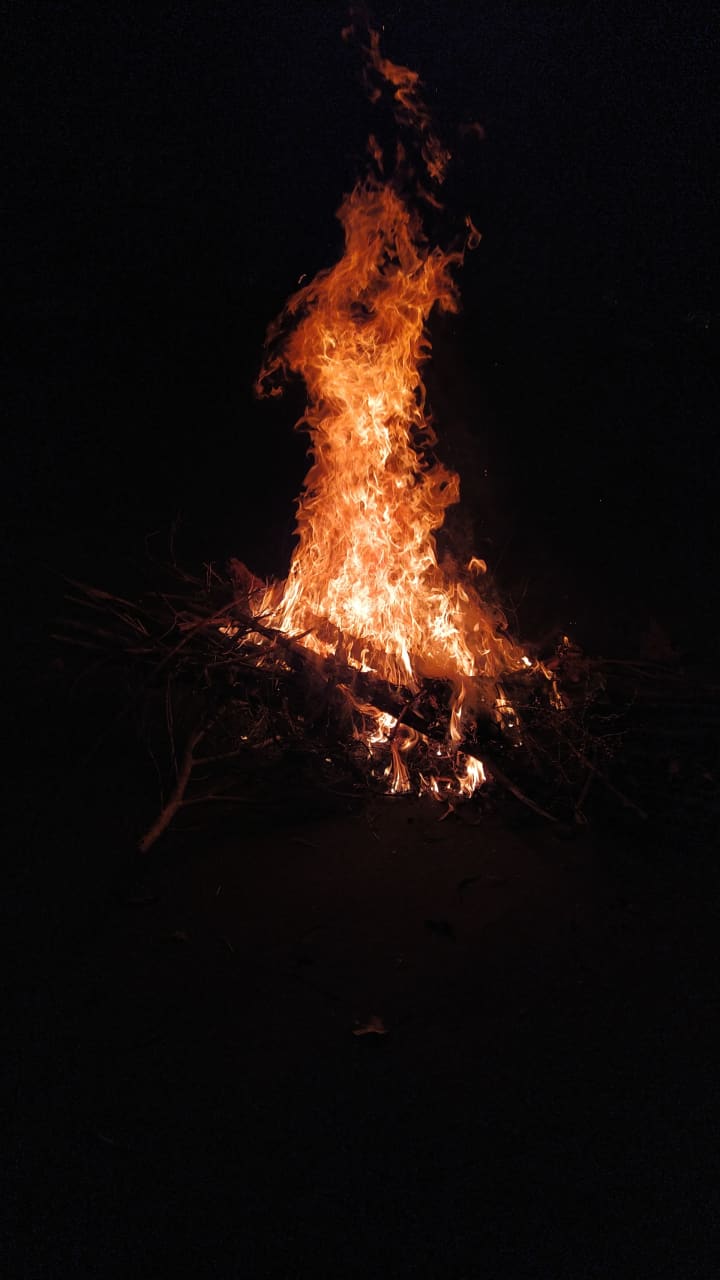
The first day of the Pongal festival is known as "Bhogi Pongal." On this day, people clean and decorate their homes and make rangolis (colorful designs) outside their homes. The previous year's clothes are discarded and new clothes are worn. In the morning, people light a bonfire and throw old clothes, utensils, and other household items into the fire as a symbol of letting go of the old and embracing the new. This ritual is called "Bhogi Mantalu."
It's also a day where farmers honor their bull and cows. They are decorated, fed well and celebrated.
Additionally, on the first day of Pongal, families prepare traditional sweet dishes, such as "pongal" (a sweet dish made from rice, lentils, and jaggery), and offer them as a prasad (offering) to the gods.
Thai Pongal:
The second day of the Pongal festival is known as "Surya Pongal" or "Thai Pongal." On this day, people worship the Sun God, Surya, who is believed to bring prosperity and good health. It's said that the sun's rays are the most powerful on this day, which is why it's considered auspicious to offer prayers to the Sun God.
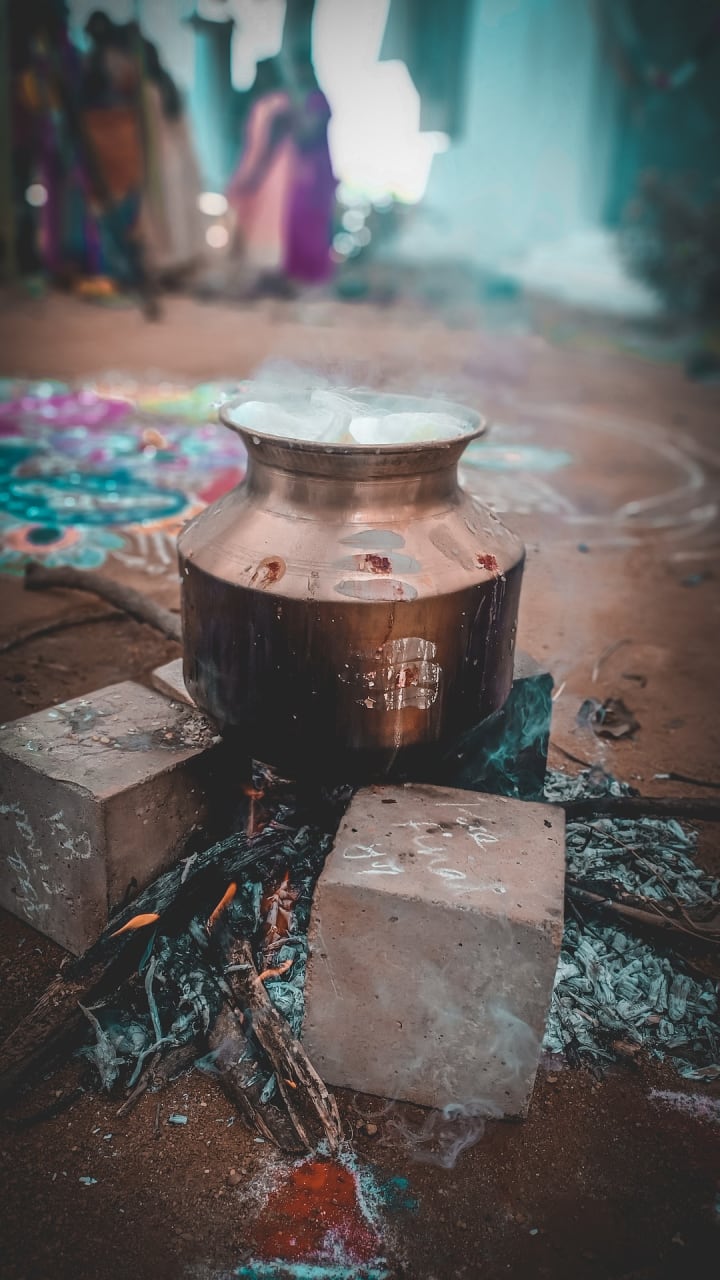
People in Tamil Nadu typically prepare a special dish called "sakkarai pongal" which is a sweet pudding made of rice, lentils, and jaggery. And it's offered as prasad to the god Surya.
Additionally, people in rural areas follow the tradition of cooking Pongal dish in the open field, in earthen pots, near the well or river. It's a symbol of thanksgiving to the Sun and nature for their bountiful harvest.
This is also a day where traditionally, families and friends visits each other, exchange sweets and greet each other a "Pongal Vazhthakal"
Maatu Pongal:
The third day of the Pongal festival is known as "Maatu Pongal" or "Mattu Pongal." This day is dedicated to the worship of cows and bulls, which are considered sacred in Hinduism and are believed to be symbols of prosperity.
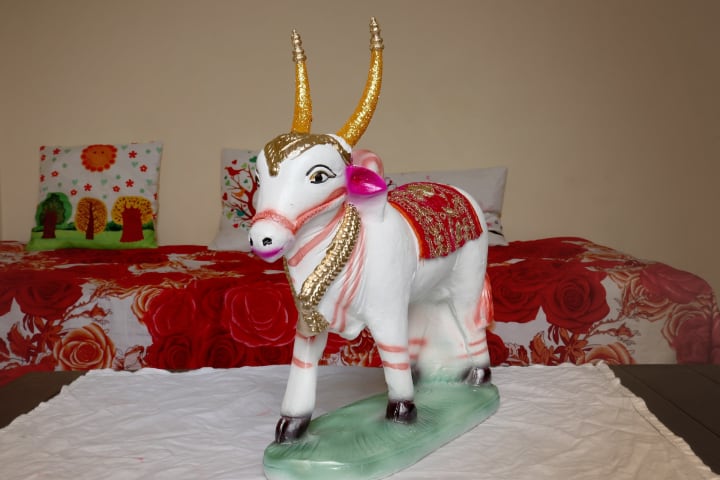
On this day, farmers decorate their cows and bulls with garlands of flowers and colorful beads, and they are taken out in a procession through the streets. People also participate in various games and competitions, such as jallikattu (a bull-taming sport) and tug-of-war, which are traditionally organized to honor the bulls.
Additionally, this is a day where families cook special food and offer it to their cattle, and then they are set free to graze in the fields. It's a celebration of the bond between humans and the nature.
Also, the traditional dishes offered to cows is known as "maavilakku" a sweet snack made with rice, jaggery, and coconut.
Kaanum Pongal:
The fourth day of the Pongal festival is known as "Kaanum Pongal." This day is considered to be the final day of the Pongal celebrations, and it is a day for people to come together with friends and family to share their happiness and express gratitude for the blessings they have received.
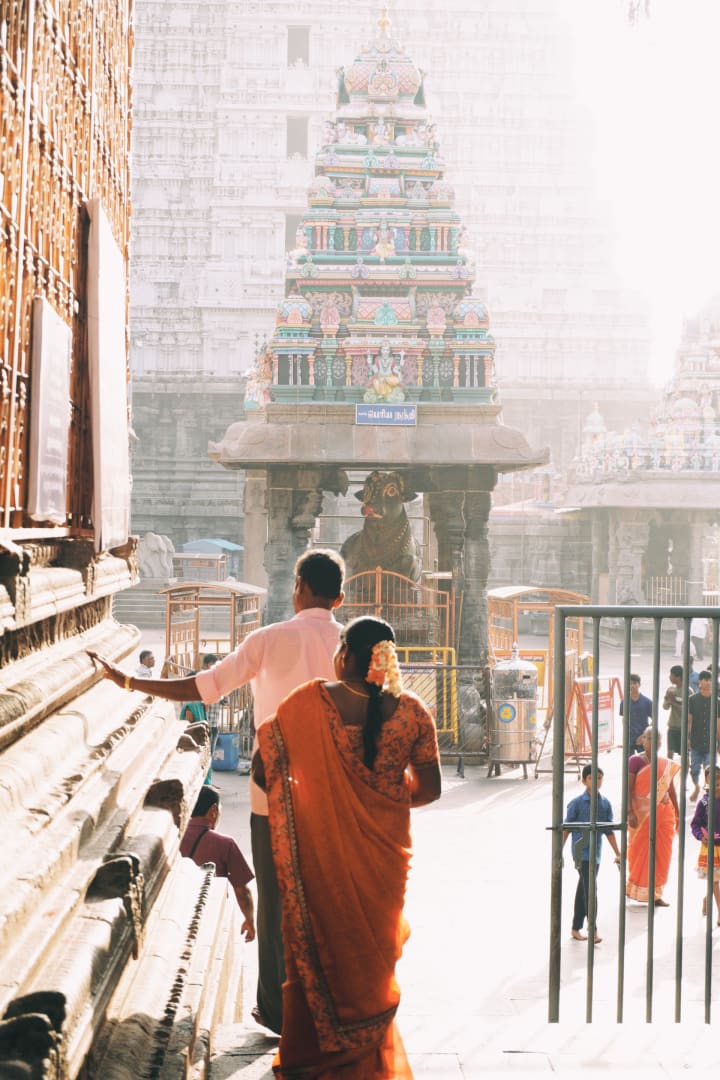
On this day, people visit relatives and friends to exchange greetings and sweets. Many also take this opportunity to go out for picnics, boating, and other outdoor activities with family and friends.
Additionally, People also visit local temples, offer prayers and seek blessings. And they also made a traditional sweet dish called "Venn Pongal" on this day and offered it as a prasad. It is made of Rice, Moong Dal, jaggery, and ghee, and it's said to be the most auspicious of all pongal dishes.
In essence, this day is a day to give thanks, to be with loved ones, and to look forward to the new year with hope and optimism.
About the Creator
Keep reading
More stories from Praveen Kumar and writers in Feast and other communities.
TAMIL CULTURE
Tamil culture is the culture of the Tamil people, who are primarily located in the Indian state of Tamil Nadu and in the northeastern portion of Sri Lanka, as well as in Malaysia, Singapore, South Africa, and other countries with Tamil diaspora populations.
By Praveen Kumar3 years ago in Journal
Australia Fish and Seafood Market 2026: Sustainable Consumption, Aquaculture Growth & Premium Seafood Demand
Australia Fish and Seafood Market Australia’s fish and seafood market is expanding steadily as consumers increasingly prioritize high-quality protein sources and sustainable food options. Fish and seafood products—including salmon, tuna, shrimp, shellfish and other marine species—play a vital role in the Australian diet due to their nutritional value and culinary versatility. Growing awareness of seafood’s health benefits, particularly its omega-3 fatty acids, vitamins and minerals, is driving consumption across households, restaurants and foodservice channels.
By Amyra Singh7 days ago in Feast


Comments
There are no comments for this story
Be the first to respond and start the conversation.