
Poetry, open fire cooking and staying local
River Cottage chef and open fire man, Gill Meller says eating local is the easiest step we can take to tackle the climate emergency.
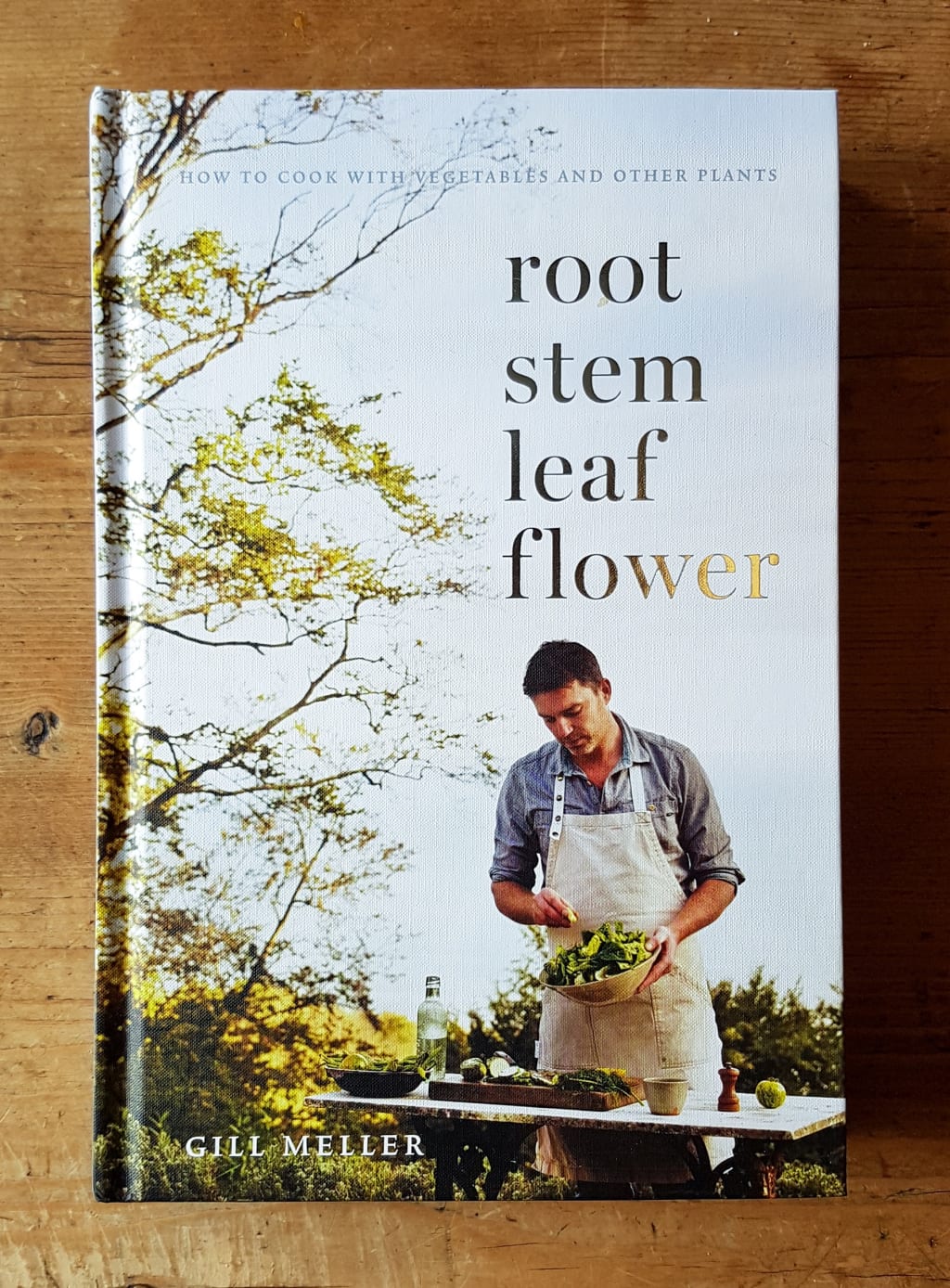
Climate change can seem too big for each and everyone one of us to tackle and “the scale of the problem can leave people feeling helpless and confused,” says Gill Meller in the foodi`e podcast Cooking the Books with Gilly Smith.
What is it exactly that we are supposed to be doing? How do we help create a brighter future for our children?
Gill’s award-winning food writing reveals a philosophy and poetry inspired by the vegetables he grows in his garden. His new book Root, Stem, Leaf and Flower is an example of this, as he reads in the podcast: “I live only for morning, for your rise across the wooded hills, to drink from your throat and from the grit I’m in, nothing interests me except your voice and the women that pick us when you’re gone,” He says, “Is about the plant wanting to be eaten, wanting to have a purpose, to feed someone to satisfy someone.”
As a lover of the great outdoors and open fire cooking Meller is passionate about the impact we have on our planet through our food, he says in the podcast, “the one thing we can do is change the way we eat.
“One of my main concerns lies in the way we produce food today. Some forms of farming are draining the natural resources, damaging our soil and warming our planet.”
Intensive farming has a huge impact on biodiversity and the environment worldwide. The use of fertilisers to improve the fertility of poor soils has harmful consequences to our eco-systems as excessive use is flooded to lakes and oceans through rains and sewage. Chemical fertilisers also contribute to climate change, through the greenhouse gas nitrous oxide, and to air pollution through ammonia.
The solution explored in his chat with presenter and activist food writer Gilly is simple, eat local.
“If we eat more locally grown seasonal fruit and vegetables, we will be having a positive impact on the environment, on nature in general and the community that we live and work within perhaps.
“Eating veg is fantastic, wherever it comes from but eating organically grown or vegetables that have been grown within an organic model, is the best way I think we could go about eating veg,” says Meller in Cooking The Books.
What diet is better for the planet is a question without a defined answer. Whether vegan, non-vegan, veggie, flexitarian they all negatively impact our planet in different ways, of course, some more than others. Previous studies have suggested that switching to a vegan diet is the “single biggest way to reduce your impact on planet earth,” however, most our fruit and veg is imported from across the world over the winter months , leaving a large carbon footprint behind.
Vegetables that have been grown overseas which have been picked and wrapped in plastic, shipped across the ocean, or flown half way across the world “won’t be doing as much good for the environment as shopping seasonally, locally and supporting farmers and growers that are working in harmony with nature,” explains the chef in the podcast.
Entering our third lockdown your local farm shop or butchers needs your support more than ever, so does your health with fresh rather than packaged produce. Many of us have lost the connection and value we used to always share for our food. All year round produce, and the power of plastic have made us forget the wonders of the flavours seasons can spark.
Poems like the tomato or fennel ones which Meller reads in the podcast are a funky approach to how we can re-establish this connection for the food we eat. He is also a massive open fire cooking advocate, another fun way to re-connect with our produce and nature whilst we discover new flavours and the powers of the seasons.
Cooking in harmony with the seasons seems like a thing of the past but like Meller says in the podcast episode “with seasonal cooking you get whisked back to another time, to last year, to five years ago.
Now is January why not try out the hardier British produce like cauliflower, beetroot or even mussels if you fancy sustainable sea food. “It’s so easy, it’s so inviting and really does make an enormous difference in terms of climate and supporting local farmers,” says Meller in the podcast.
Love your food and stay local.
About the Creator
Lucas Castellano
Writer, environmentalist- sustainable food enthusiast.
Founder + Editor https://changethefootprint.org/
My Facebook: https://www.facebook.com/profile.php?id=100008840915958
Keep reading
More stories from Lucas Castellano and writers in Feast and other communities.
Freeze-Dried Powder Microgreens: The Complete Guide to Nutrient-Dense Greens
Getting enough fresh vegetables into your daily routine can be harder than it sounds. Busy schedules, travel, and reliance on convenience foods often mean leafy greens get overlooked. Freeze-dried microgreens powder offers a practical way to bridge that gap. Produced from young vegetable greens harvested at peak nutritional value, these powders provide a concentrated source of vitamins, minerals and antioxidants in a format that is simple to store and use.
By Emily Jones7 days ago in Feast



Comments
There are no comments for this story
Be the first to respond and start the conversation.