
Phyllanthus Niruri : Health Benefits
Health Benefits of Phyllanthus Niruri

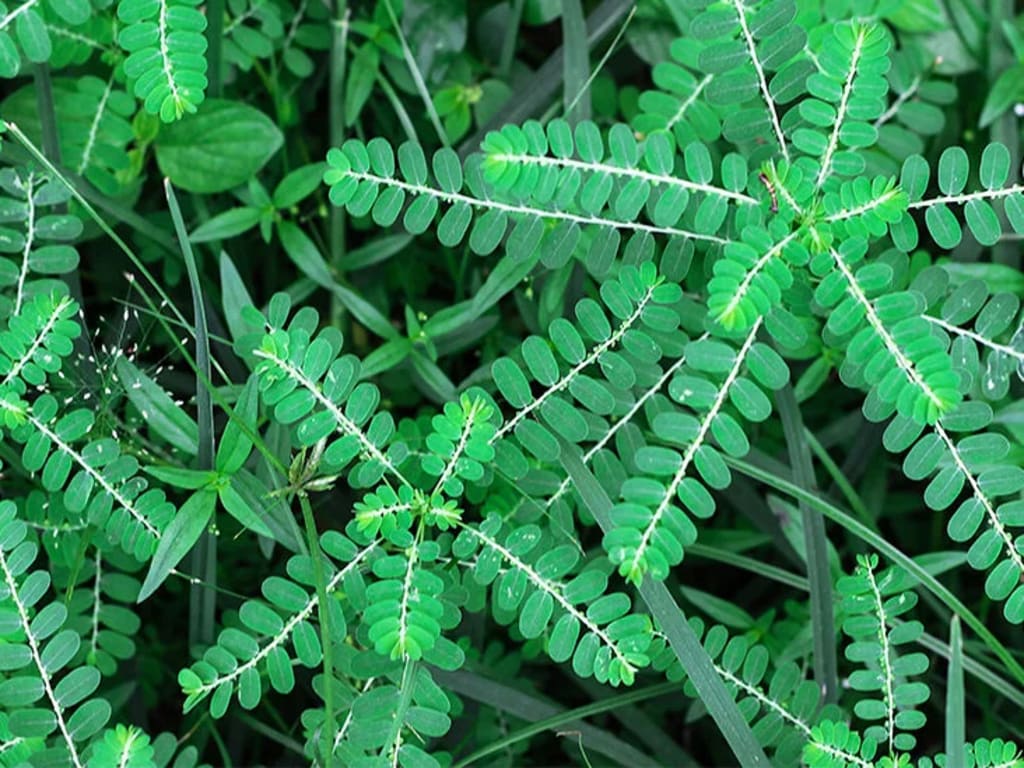
Phyllanthus Niruri, also known as "Stonebreaker" or "Chanca Piedra," is a small tropical plant that has been used for centuries in traditional medicine for various health conditions. Recent studies have confirmed many of its benefits, making it an increasingly popular natural remedy. In this blog post, we will explore the many health benefits of Phyllanthus Niruri and how it can improve your overall wellbeing.
Promotes Liver Health
Phyllanthus niruri is well known for its liver-protective properties. The plant contains several compounds, including phyllanthin, hypophyllanthin, and phyllanthusiin, which have been shown to support liver function and protect against liver damage. These compounds work by increasing the production of enzymes that help to detoxify the liver and reduce inflammation in the liver tissues.
Studies have shown that phyllanthus niruri can help to reduce liver damage in individuals with hepatitis B and C, as well as those with alcohol-related liver disease. It has also been shown to improve liver function in individuals with non-alcoholic fatty liver disease.
Relieves Kidney Stones
Phyllanthus Niruri has a long history of use in treating kidney stones. Studies have shown that it can help break down kidney stones and facilitate their passage, making it a natural and effective alternative to surgery or medication. It also helps in reducing the risk of future kidney stones.
Supports Digestive Health
Phyllanthus Niruri has digestive benefits, as it can help relieve digestive issues like constipation, diarrhea, and indigestion. It can also help promote the growth of beneficial gut bacteria and support overall gut health.
Anti-inflammatory Properties
Phyllanthus Niruri has potent anti-inflammatory properties, which can help reduce inflammation throughout the body. This makes it an effective natural remedy for inflammatory conditions like arthritis, asthma, and even skin disorders like eczema.
Boosts Immunity
Studies have shown that Phyllanthus Niruri can help boost the immune system, making it more effective at fighting off infections and diseases. It can also help reduce the severity and duration of colds and flu.
Treats Jaundice
This herb has been widely used in southern parts of India for treating Jaundice, as it plays a vital role in enhancing liver health.
Promotes Heart Health
Phyllanthus Niruri has been shown to have heart-protective properties, as it can help reduce high blood pressure and improve cholesterol levels. It can also help prevent the buildup of plaque in the arteries, reducing the risk of heart disease and stroke.
Anti-cancer Properties
Phyllanthus Niruri contains compounds that have been shown to have anti-cancer properties, particularly in preventing the growth and spread of cancer cells. It has been studied for its potential in treating various types of cancer, including breast and liver cancer.
Anti-viral Properties
Phyllanthus Niruri has been shown to have anti-viral properties, making it effective in treating viral infections like hepatitis B and C.
Anti-bacterial Properties
Studies have shown that Phyllanthus Niruri has anti-bacterial properties, making it effective in treating bacterial infections like urinary tract infections, respiratory infections, and skin infections.
Pain Relief
Phyllanthus Niruri has been shown to have pain-relieving properties, making it effective in treating pain associated with conditions like arthritis, menstrual cramps, and headaches.
Overall, Phyllanthus Niruri is a versatile and powerful natural remedy with many health benefits. It has been shown to promote liver and kidney health, support digestive health, reduce inflammation, boost immunity, promote heart health, and even have anti-cancer and anti-viral properties. Whether you're looking to improve your overall wellbeing or treat a specific health condition, Phyllanthus Niruri may be worth considering as a natural and effective remedy.
About the Creator
Arun Ramasamy
Nature Lover, Just go with the flow, techno freek.
Do what you can.. don't when you cannot.
Keep reading
More stories from Arun Ramasamy and writers in Feast and other communities.
Science Behind Getting a Good Night's Sleep
We all know that getting a good night's sleep is important for our health and well-being, but do we really know why? In this blog post, we'll explore the science behind getting a good night's sleep, and why it's so important for our overall health.
By Arun Ramasamy3 years ago in Feast
Pi Day Deals: Sweet Ways to Celebrate March 14 Every Year
Every year on March 14, something unusual happens across bakeries, pizza shops, and kitchens around the world. Math lovers smile, pie lovers celebrate, and people who never cared about numbers suddenly start searching for pie. That day is Pi Day. The date 3/14 matches the first digits of the famous mathematical constant 3.14, and over time it has grown into a celebration of food, curiosity, and simple joy. One of the biggest reasons people look forward to the day is the tradition of Pi Day deals. Restaurants and bakeries often offer pies, pizzas, and desserts at special prices. But Pi Day is not only about discounts. It is about gathering with friends, sharing food, and enjoying a small moment of fun built around a number that never ends.
By Muqadas khana day ago in Feast
Chipotle Tattoo BOGO: The Story Behind the Burrito Deal
Sometimes a free burrito is more than just a meal. Sometimes it becomes a small cultural moment that people remember for years. The phrase chipotle tattoo bogo began as a strange mix of food, loyalty, humor, and internet culture. At first glance it sounds like a joke. Why would anyone get a tattoo for a burrito? But thousands of people actually did.
By Muqadas khan2 days ago in Feast
The Forsyth House Fire
Since 1851, Forsyth House has stood on the corner of Union Street and Gordon Street in the heart of Glasgow. Its iconic, or was... because on Sunday 8th of March, 2026, a fire broke out in a small, seemingly un-named shop in the building and tore all that history down. As I write, the rubble is still unsettled and the street is still blocked off. Central Station is quiet on the upper level, and around 30 small businesses have quite literally gone up in smoke.
By S. A. Crawford3 days ago in The Swamp




Comments
There are no comments for this story
Be the first to respond and start the conversation.