
Navigating FDA Compliance: A Guide for Food Businesses
Learn how food businesses can comply with FDA regulations in 2025. From registration and labeling to additives, imports, and packaging safety, this guide covers everything you need to build a compliant and trustworthy food brand.

It's exciting to start a new food company, but the regulatory environment can be overwhelming. The U.S. Food and Drug Administration is a common source of confusion among entrepreneurs. The FDA approval phrase is used a lot, but it is important to know that they do not approve food products and facilities. The FDA instead sets out a framework of rules that all businesses are required to follow in order to make sure the food is safe, healthy, and correctly labeled.
It's not only about avoiding fines, but also about creating a brand consumers can trust. The guide takes you step-by-step through all the important areas for FDA compliance. From registering your business to making sure your labels are up to standard, this book will take you there. This guide will help you understand the key steps to running a successful FDA-compliant business.
FDA Approval for Food: A Myth?
Let's first clarify an important distinction. The FDA doesn't "approve" food or food processing facilities before they are put on the market, unlike with high-risk devices or new drugs. You will not receive a certificate that says your food is "FDA-approved." The responsibility of compliance is ongoing. It is your responsibility to follow the FDA rules. These rules are enforced by the FDA through inspections and reviews of import documents, as well as consumer complaints.
This regulatory framework was designed with the goal of preventing food safety issues before they occur. This approach was influenced by the FDA Food Safety Modernization Act. It shifted focus away from reacting after contamination and towards actively preventing the problem. This means that your company must implement proactive measures, and keep detailed records.
How to comply with FDA regulations in your food business
FDA Food Facility Registration
The first step in registering your FDA facility is mandatory if you are manufacturing, processing, packing, or holding food intended for human consumption within the United States. Both domestic and international facilities are affected. Registration is completed online via the FDA Unified Registration and Listing System.
The FDA receives vital information from this registration, such as the location of your establishment and what types of foods you deal with. This registration is a vital tool for the FDA to quickly respond in an emergency situation or in a recall. This registration needs to be renewed at least every two years, between the 1st of October and 31st December in each odd-numbered year. If you fail to renew or register, your products may be refused entry or detained.
Food Labeling Regulations of the FDA
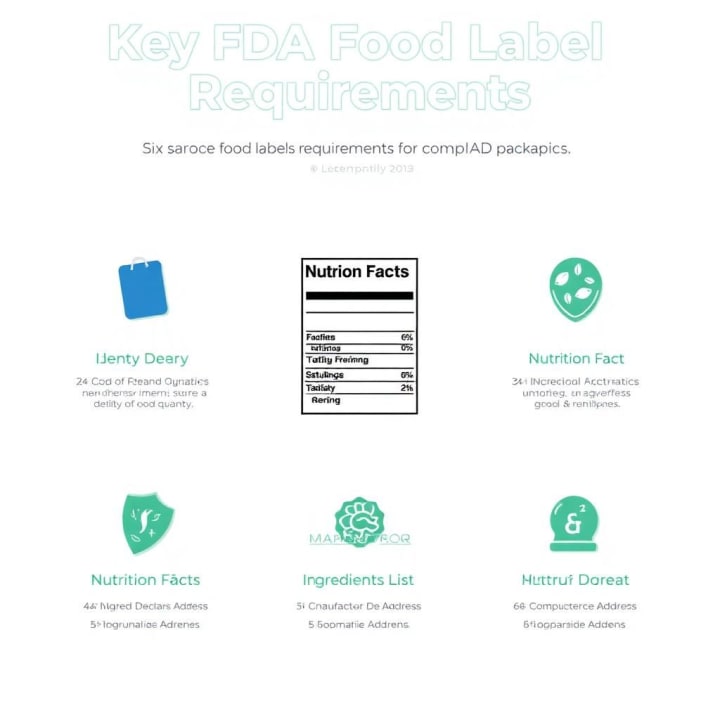
Labeling correctly is one of FDA's most noticeable aspects. Regulations are precise and detailed, covering everything from the declaration of identity to nutrition information. The FDA food labeling regulations are designed to give consumers accurate and clear information.
These are the key components that make up a food label compliant:
- Declaration of Identity: Common or Usual Name of Food
- Quantity Net: Amount of the product inside, in U.S. The amount of product in the package, expressed both in U.S.
- Nutrition Information Panel: Standardized panel that details serving sizes, calories and other key nutritional information.
- List of ingredients: The list must include all the ingredients in weight order.
- Declaration of Allergens: Any of the nine main food allergens must be declared clearly. These include milk, egg, fish, crustacean, shellfish, nuts (tree, almond, peanut, sesame, or walnut), wheat, soy, beans, sesame, and soybeans.
- Business Name: Address and name of manufacturer, distributor, or packer.
Presentation is also important. Packaging that is of high quality not only helps protect your product, but it also communicates the commitment your brand has to its products. Custom printed food packaging are legible and professional, ensuring that your brand is presented in a clear, professional manner.
Understand the FDA Food Additive Process
Food additives, however, are an exception. In order to approve food additives , any substance intentionally added to a food product that has not been "Generally Recognized As Safe" must go through the FDA's formal approval process . The FDA must be notified of the food additive by submitting an FDA petition with scientific evidence proving the safety of the additive for the intended purpose.
Before making any decisions, the FDA thoroughly evaluates these data. It is an intensive, scientific process that is designed to safeguard public health. You must follow this process if you want to add a preservative or coloring or flavoring in your product that has not been approved.
Notifications of Food Contaminants
Not only does what you put in your body matter, but what it touches. The FDA also regulates substances used in packaging, equipment for processing food and containers that are directly or indirectly in contact with the food. The FDA Food Contact Substance Notifications is the main method of authorizing new foods contact substances.
The manufacturer is required to notify the FDA that the substance used for the intended purpose of the product has been tested and found safe. Included in this are data about the substance’s chemistry and potential migration to food. It's important to make sure all packaging materials comply with FDA regulations if you plan on developing unique packaging. Businesses in the bakery industry can ensure product safety by sourcing customized bakery boxes through a vendor who uses FDA compliant materials.
Importing food: Special considerations
You'll have to follow FDA import regulations if your business includes importing food into the U.S. Imported foods must meet the same requirements as foods produced in the United States. They must also be labelled honestly, be sanitary and safe.
Importers must meet two important requirements:
- Prior Notification: The FDA must be notified in advance of the arrival of food shipments at U.S. ports. The FDA Prior Notice System Interface allows it to do this electronically.
- The Foreign Supplier Verification Program: Importers must verify that foreign food suppliers meet the same standards of protection for public health as domestic producers. It involves evaluating risk, selecting suppliers and performing verification activities.
Building a culture of compliance
It is not an easy task to achieve FDA compliance. You must be committed. You must have a thorough understanding of all the rules that are applicable to your products and business. It is important to stay informed of updates made by the FDA Food Safety Modernization Act as well as other regulations.
Prioritizing the steps, from your initial FDA registration through to your packaging and labeling details will help you build a resilient business. By investing in compliance, you protect your reputation and bottom line. You can focus on your best skill: making delicious, popular food.
About the Creator
Cristina Baker
I’m Cristina Baker, a business and market expert with 8+ years of experience helping brands and entrepreneurs grow. I share insights, strategies, and ideas that inspire growth, spark curiosity, and turn challenges into actionable results.
Keep reading
More stories from Cristina Baker and writers in Feast and other communities.
How to Create a Unique Brand Identity for Your Food Business
Good taste on its own can’t sustain your food business. It needs a unique and memorable brand identity. A strong brand will make it both easier and safer for customers to recognize and trust you several times. It is a way of making your business unique in the market. For restaurant owners, snack sellers, and organic products promoters, a brand is crucial to your future expansion.
By Cristina Baker6 months ago in Feast
I Discovered A Better Way To Cook Cabbage
I recently posted this question on Facebook: I was surprised by some of the answers, especially about cabbage. Chicken: 40% Cabbage: 30% Salmon: 20% Others: 10% (including steak, crab cakes, fish, chili dogs, chicken salad, mac and cheese, cold cuts, potatoes, and ham)
By Margaret Minnicks3 days ago in Feast
Grilled Salmon on Himalayan Pink Salt Bricks: Extraordinary Taste
That smoky piece of grilled salmon? People love how it tastes, full and hearty, yet light on the body thanks to good fats. Still, nailing the taste at home trips up plenty - too much salt shows up fast, or worse, the flesh turns stiff and parched before it's done.
By Hendra Edwarda day ago in Feast



Comments
There are no comments for this story
Be the first to respond and start the conversation.