
Millet Ugali, Kienyeji, and Mursik
A Cultural Essence of the Kalenjin Community

Introduction
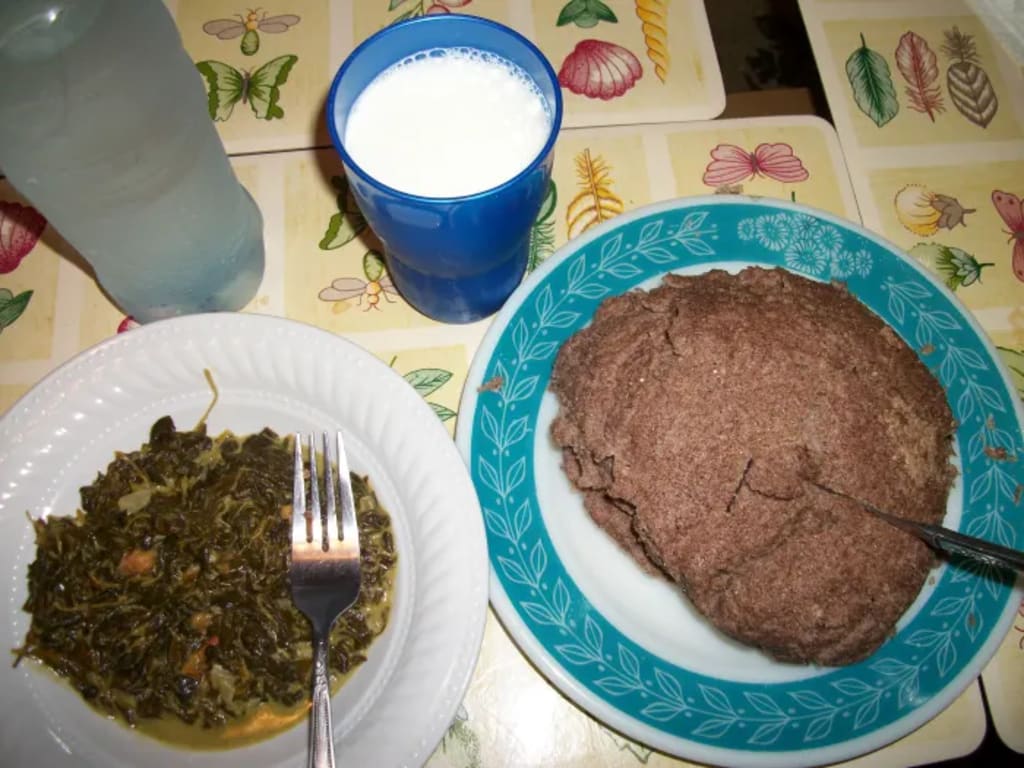
Nestled in the scenic hills of Kenya’s Rift Valley is the Kalenjin community—a group known not only for their remarkable prowess in long-distance running but also for a rich culinary heritage that has been passed down through generations. At the heart of this culinary tradition lies a dish that encompasses the very essence of Kalenjin culture: a harmonious blend of ugali made from millet and maize, vibrant kienyeji vegetables, and the refreshing mursik, a traditional fermented milk drink. This dish is more than just sustenance; it is a profound symbol of community, identity, and resilience, anchored in the historical journey of the Kalenjin people.
The Components of the Dish
Millet Ugali: A Staple of the People
Ugali is a cherished staple across Kenya, with different regions boasting variations based on local crops. For the Kalenjin, ugali made from millet and maize offers both nostalgia and nourishment. Millet, historically cultivated by the Kalenjin due to its resilience in drought-prone areas, is combined with maize flour to create a dish that is dense, fulfilling, and rich in carbohydrates—providing energy to the hardworking community members.

The process of making ugali is simple yet highly communal. Families gather in the kitchen, taking turns stirring the porridge until it thickens to the perfect consistency. Because of its texture, ugali is often eaten by hand, emphasizing the communal aspect of sharing meals. The act of molding ugali into small balls and dipping it into accompanying dishes fosters a sense of connection among diners, a literal embodiment of sharing and unity.
Kienyeji: The Essence of Sustainability
Kienyeji refers to the indigenous vegetables that flourish in the Kalenjin region. Rich in nutrients, these vegetables include African nightshade, spider plant, amaranth, and cowpeas. They are celebrated not only for their nutritional benefits but also for their sustainable nature, as they require minimal cultivation effort and thrive in local soils.
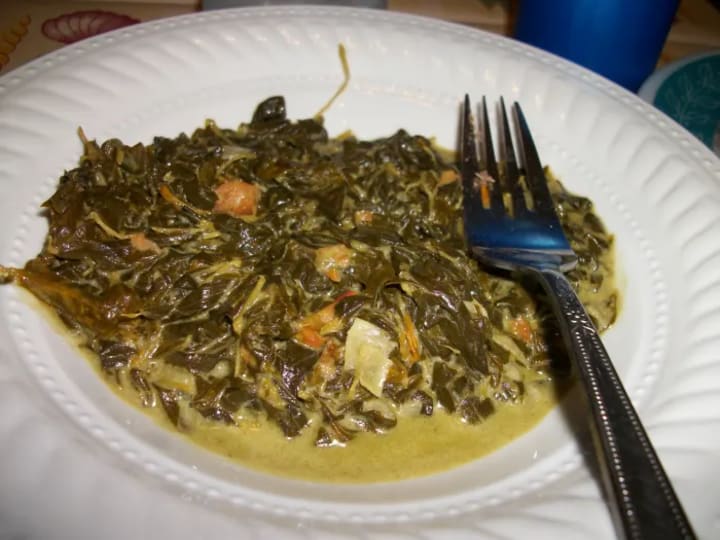
The preparation of kienyeji often involves simple cooking methods—usually sautéed with onions and tomatoes—preserving the natural flavors and nutrients of the vegetables. Kienyeji is typically harvested by women and children in the community, reinforcing the importance of family and collaboration in food production. This involvement in the gardens cultivates a deep respect for the land, where nature and humanity coexist harmoniously.
Mursik: The Milk of the Warriors
Mursik is a uniquely Kalenjin product, a fermented milk drink imbued with cultural significance. Traditionally produced by churning fresh cow's milk, mursik is flavored with herbs and Soot from an "itet"(Senna didymobotrya) tree , giving it a distinctive smoky flavor. This drink has long been associated with strength and nourishment, historically consumed by the Kalenjin warriors to enhance their vitality and stamina.

In a community that prides itself on endurance and resilience, mursik represents more than nourishment; it encapsulates the spirit of the Kalenjin people. The preparation of mursik involves rituals that honor ancestral traditions, and it is often served during celebrations, family gatherings, and significant life events, linking the past with the present.
Cultural Significance of the Dish
The combination of ugali, kienyeji, and mursik holds deep cultural significance among the Kalenjin community, encompassing themes of unity, tradition, and identity.
- Celebration of Community
The Kalenjin way of life emphasizes togetherness. Meals are central to maintaining relationships, with ugali, kienyeji, and mursik serving as a communal dish. During important events such as weddings, harvest festivals, and family gatherings, this trio plays a pivotal role in bringing people together. Families prepare vast quantities, encouraging guests to partake freely. The act of sharing food reinforces social bonds and cultivates a sense of belonging.
2. Connection to Ancestry
Culinary practices among the Kalenjin are deeply intertwined with their history and identity. The preparation and sharing of ugali, kienyeji, and mursik serve as a way to honor ancestors and preserve cultural heritage. Elders often share stories about the significance of these dishes, passing down knowledge and traditions to the younger generations. These meals offer a tangible connection to the past, as recipes and techniques are transmitted orally, ensuring that the essence of Kalenjin culture is preserved.
3. Nutritional Sustenance
In addition to its cultural significance, the dish provides essential nourishment. The combination of ugali, kienyeji, and mursik creates a balanced meal rich in carbohydrates, vitamins, and probiotics. This emphasis on nutrition is not merely about sustenance; it reflects the Kalenjin belief in the strength derived from wholesome, locally sourced ingredients. As such, the dish embodies the community's commitment to self-sufficiency and sustainable agricultural practices.
The Origin of the Dish: A Story of Resilience
The story of ugali, kienyeji, and mursik is deeply connected to the Kalenjin identity. To illustrate its origins, let’s delve into the narrative of Chebet, a young girl who grew up in a Kalenjin village.
Chebet was born into a family of farmers in the heart of the Rift Valley. From an early age, she was acquainted with the rhythms of agricultural life. Her mother taught her how to plant maize and millet, explaining the importance of these staple crops to their diet. “Ugali is our foundation,” she would say while kneading the dough. “It binds us as a family and nourishes us.”
One crucial lesson Chebet learned was about the resilience of millet. During a period of drought, while maize crops failed, millet thrived. This adaptability showed her that while challenges might arise, communities could survive by depending on what nature offered. This lesson in resilience echoed throughout her life, becoming a guiding principle as she matured.
As Chebet grew older, she took on more responsibilities in the household. She spent mornings foraging for kienyeji vegetables in the garden and learned how to prepare them in a way that preserved their rich flavors. Her grandmother often accompanied her, sharing stories of the village’s history. “Kienyeji is a gift from our ancestors,” she would say. “It nourishes our bodies and honors our connections to this land.”
One fateful day, Chebet’s village prepared for a celebration—a harvest festival honoring the year’s crops. The community gathered to thank the Earth for its bounty. As part of the festivities, the villagers decided to showcase traditional dishes that had sustained them through years of hardship.
Chebet eagerly joined the women in the kitchen, excited to contribute to the feast. They made ugali from both maize and millet, relishing the chance to blend their culinary practices. The room was filled with laughter and the aroma of cooking food, evoking a sense of warmth and kinship.
When the time came to prepare mursik, Chebet watched in awe as the elders diligently churned the milk, singing songs that had been passed down for generations. The stirring of the milk echoed memories of warriors past, reinforcing the culturally rich experience surrounding the making of mursik. Chebet felt an overwhelming sense of pride that day—she was not just cooking; she was participating in a story that had endured for generations.
As the sun set, villagers gathered in a clearing, where platters filled with ugali, vibrant kienyeji, and mugs of mursik were displayed. The atmosphere was electric, filled with the sound of laughter, storytelling, and the rhythmic beat of traditional drumming. As they shared the meal, Chebet felt an unbreakable connection to her culture and community.
Through this celebration, Chebet realized the importance of food. It wasn’t just about eating; it was about survival, resilience, and honoring the stories of those who came before her. Each bite of ugali and each sip of mursik represented the struggles and triumphs of her people, a living testament to their collective identity.
A Recipe for Connection
Bringing the flavors of ugali, kienyeji, and mursik into your home allows you to partake in this cultural tradition and celebrate Kalenjin heritage. Below, you’ll find a recipe that embodies the essence of this cherished dish.
Ingredients:
For Ugali:
• 1 cup maize flour
• 1 cup millet flour
• 4 cups water
For Kienyeji:
• 2 cups mixed kienyeji vegetables (such as African nightshade, spider plant, or amaranth)
• 1 onion (sliced)
• 1 tomato (diced)
• 2 tablespoons of cooking oil
• Salt to taste
For Mursik:
• 2 liters of fresh unpasteurized cow’s milk
• "Mala" (fermented milk starter)
• Optional: Soot from an "itet" tree (Senna didymobotrya)
Making the Ugali:
1. In a large pot, bring 4 cups of water to a boil.
2. Gradually add the maize and millet flour, stirring continuously to avoid lumps.
3. Cook the mixture until it thickens, about 10-15 minutes, ensuring it pulls away from the sides of the pot.
4. Once ready, mold the ugali into a loaf shape and place it on a platter.
Preparing the Kienyeji:
1. Heat oil in a frying pan over medium heat, then add the sliced onions and sauté until golden brown.
2. Stir in the diced tomatoes and cook until they soften.
3. Add the washed kienyeji vegetables and sauté until tender, seasoning with salt to taste.
4. Serve this colorful dish alongside ugali.
Crafting the Mursik:
1. Boil the milk: Boil the fresh cow milk thoroughly.
2. Cool completely: Allow the boiled milk to cool down to room temperature.
3. Add "mala": Mix the "mala" starter culture into the cooled milk, ensuring even distribution.
4. Pour into "sotet"(Senna didymobotrya): Transfer the milk mixture into a clean "sotet" gourd.
5. Add "itet" soot (optional): add a small amount of "itet" soot to the gourd.
6. Ferment: Cover the gourd and leave it to ferment at room temperature for 1-2 days.
7. Shake before serving: Before serving, shake the gourd well to mix the curds and whey.
8. Once fermented, stir well and serve in traditional calabashes, alongside ugali and kienyeji.
Generally, the dish of ugali, kienyeji, and mursik encapsulates the essence of Kalenjin culture—its history, values, and communal bonds. Through Chebet's story, we see how food has the power to connect generations, bridging the past with the future. In sharing this humble yet profound meal, we honor the resilience of the Kalenjin people, celebrating their connection to the land, each other, and their enduring traditions.
As we recreate this dish, we tap into the rich narrative of the Kalenjin community. Beyond nourishment, ugali, kienyeji, and mursik remind us of the importance of culture, identity, and the strength that comes from community. Let us continue to tell the stories of our food, cherishing the experiences that shape who we are and the meals that bind us together.
About the Creator
Daniel K. Lagat
An African weaver of worlds, a scribe of the soul’s whispers, a dreamer who dances with ink and metaphors—crafting stories that breathe, poems that bleed, and truths that rise like smoke from the fire of restless creation.
Keep reading
More stories from Daniel K. Lagat and writers in Feast and other communities.
Astragalus: An Ornamental, Supportive, and Culinary Herb
Astragalus Root/Milkvetch Astragalus is a popular remedy for various ailments today. Commonly found in health food stores and herbal shops in the form of tinctures, grounded encapsulated powders, or as part of an herbal infusion, or sometimes added to teas, astragalus usually makes the list for its purported immune-system and energy-supporting benefits.
By J. Chauncey6 days ago in Feast



Comments
There are no comments for this story
Be the first to respond and start the conversation.