
McDonald’s: The Golden Arches That Changed the World
How a single fast-food stand grew into a global cultural icon and what it reveals about modern life.

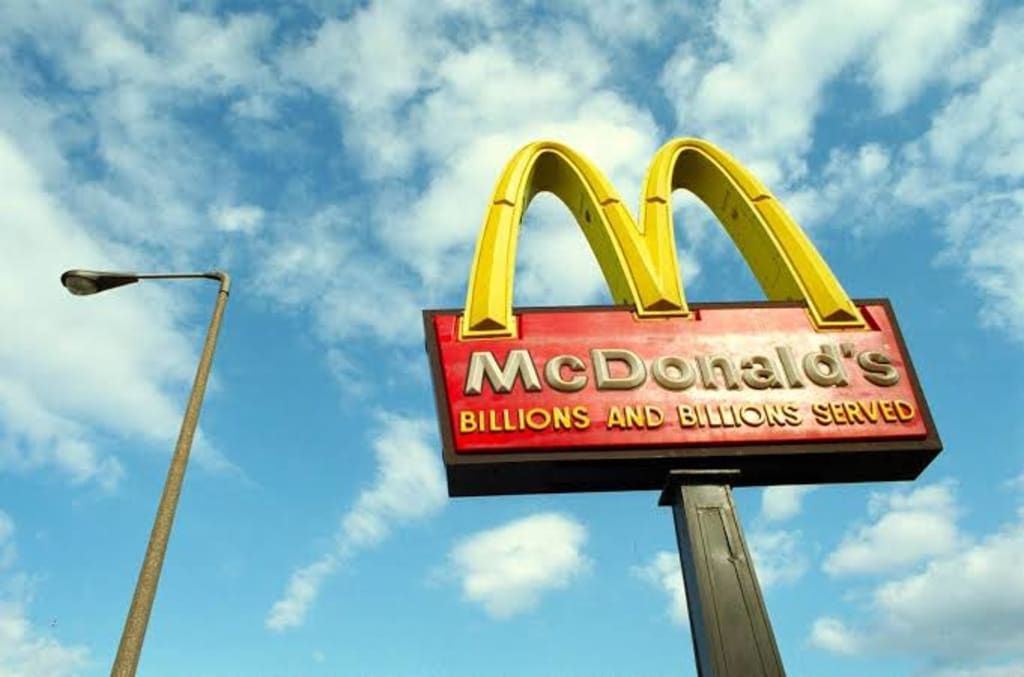
When you think of fast food, one name almost always comes to mind — McDonald’s. With its golden arches, red and yellow branding, and unmistakable logo, McDonald’s has become more than just a restaurant chain. It’s a symbol of globalization, efficiency, and the modern pace of life. But behind every Big Mac and Happy Meal lies a fascinating story of innovation, controversy, and cultural influence.
This article explores how McDonald’s evolved from a small family business to a global powerhouse, how it continues to shape eating habits around the world, and what the future might hold for the brand that redefined the way we eat.
---
The Humble Beginning
McDonald’s started in 1940 as a small drive-in restaurant run by Richard and Maurice McDonald in San Bernardino, California. Their idea was simple but revolutionary for its time: serve good food quickly and at an affordable price.
The brothers developed what they called the “Speedee Service System,” which streamlined kitchen operations like an assembly line. This system allowed them to serve burgers, fries, and milkshakes faster than any other restaurant in town.
In 1954, a milkshake machine salesman named Ray Kroc visited their restaurant — and saw potential. Kroc convinced the brothers to let him franchise the brand nationwide. By 1955, he opened the first official McDonald’s franchise in Des Plaines, Illinois, and the fast-food revolution began.
---
The Rise of a Global Giant
Ray Kroc’s vision transformed McDonald’s from a local burger joint into an international empire. His focus on standardization — making sure every McDonald’s burger tasted the same whether in Chicago or Tokyo — was key to success.
By the 1970s and 1980s, McDonald’s had become a global phenomenon. With restaurants opening in Europe, Asia, and Latin America, it introduced American-style fast food to millions. The brand’s marketing campaigns, especially the “I’m Lovin’ It” slogan and the creation of the friendly mascot Ronald McDonald, helped make McDonald’s recognizable to children and adults alike.
The company became not only a fast-food leader but also a symbol of American culture and capitalism. The term “McDonaldization” even entered academic discussions, describing how efficiency, predictability, and control became central values of modern life.
---
More Than Just Burgers
Although burgers and fries are McDonald’s staples, the brand’s ability to adapt to local tastes has been crucial to its success.
In India, where beef is not widely consumed, McDonald’s serves items like the McAloo Tikki (a spicy potato burger) and Chicken Maharaja Mac.
In Japan, the menu features Ebi Filet-O shrimp burgers.
In France, McDonald’s offers Le Croque McDo, inspired by the traditional croque monsieur.
This strategy of “think global, act local” has allowed McDonald’s to become part of different cultures while maintaining its global identity.
---
The Controversy Around Fast Food
Despite its success, McDonald’s has often faced criticism. Health experts, environmentalists, and labor advocates have questioned the brand’s practices and influence.
One major issue is health. Many critics argue that McDonald’s meals are high in fat, sugar, and sodium, contributing to the rise of obesity and heart disease worldwide. In response, McDonald’s has introduced healthier menu options — salads, fruit bags, and grilled chicken — and displays calorie counts to promote transparency.
Another area of concern is the environmental impact of fast-food packaging and beef production. McDonald’s has pledged to move toward sustainable sourcing by using recyclable packaging and reducing greenhouse gas emissions in its supply chain.
The company has also made commitments to animal welfare, waste reduction, and renewable energy. While progress is ongoing, the fast-food giant knows that modern consumers increasingly expect social and environmental responsibility.
---
McDonald’s in Pop Culture
Few brands have influenced pop culture like McDonald’s. From its logo appearing in films and music videos to references in songs and TV shows, McDonald’s has become a global icon.
Movies like The Founder (2016) tell the dramatic story of Ray Kroc’s rise and the ethical conflicts that shaped the company’s early years. Meanwhile, social media trends such as the McRib comeback or limited-edition meals with celebrities (like the Travis Scott Meal) show how McDonald’s continues to stay relevant with younger audiences.
The golden arches represent more than food — they symbolize familiarity. Whether you’re in London, Dubai, or Jakarta, a McDonald’s can make you feel like home.
---
Innovation and the Future of McDonald’s
In recent years, McDonald’s has embraced technology and sustainability to meet modern demands. Self-order kiosks, mobile apps, and delivery partnerships like Uber Eats have transformed the customer experience.
The brand is also experimenting with plant-based options, such as the McPlant burger, developed in collaboration with Beyond Meat, to cater to the growing vegan and vegetarian market.
In addition, McDonald’s continues to test AI-powered drive-thrus, digital loyalty programs, and solar-powered restaurants to stay ahead in a competitive industry.
---
A Global Icon That Keeps Evolving
McDonald’s is more than just a restaurant chain — it’s a cultural mirror reflecting how society eats, works, and connects. From a small kitchen in California to over 40,000 restaurants in more than 100 countries, its story is one of constant reinvention.
Even with its challenges, McDonald’s remains a symbol of innovation, adaptability, and cultural influence. Whether people see it as a convenient meal, a childhood memory, or a global brand, McDonald’s has left an undeniable mark on the world.
The golden arches may represent fast food, but they also tell a larger story — one about ambition, change, and how a simple burger stand became a cornerstone of modern life.
About the Creator
Fiaz Ahmed
I am Fiaz Ahmed. I am a passionate writer. I love covering trending topics and breaking news. With a sharp eye for what’s happening around the world, and crafts timely and engaging stories that keep readers informed and updated.
Keep reading
More stories from Fiaz Ahmed and writers in Feast and other communities.
This Morning: Britain’s Beloved Daytime Show Faces a New Era
The Start of Something Familiar Few TV programs have managed to capture the heart of the British public quite like This Morning. Since its debut in 1988, the show has become a daily ritual for millions — a comforting mix of news, laughter, lifestyle advice, and the occasional unexpected moment that leaves everyone talking. Whether viewers tune in for celebrity interviews, heartfelt human stories, or simply the cozy banter between presenters, This Morning has remained a fixture of British culture for more than three decades.
By Fiaz Ahmed 5 months ago in Feast
Australia Fish and Seafood Market 2026: Sustainable Consumption, Aquaculture Growth & Premium Seafood Demand
Australia Fish and Seafood Market Australia’s fish and seafood market is expanding steadily as consumers increasingly prioritize high-quality protein sources and sustainable food options. Fish and seafood products—including salmon, tuna, shrimp, shellfish and other marine species—play a vital role in the Australian diet due to their nutritional value and culinary versatility. Growing awareness of seafood’s health benefits, particularly its omega-3 fatty acids, vitamins and minerals, is driving consumption across households, restaurants and foodservice channels.
By Amyra Singh7 days ago in Feast



Comments
There are no comments for this story
Be the first to respond and start the conversation.