
Korea's Vegan Kimchi - A Plant-Based Twist on Korea's Spicy Fermented Super food.
Learn how to create a delicious, gut-healthy, and cruelty-free version of Korea’s beloved Kimchi, packed with probiotics, bold flavors, and vibrant colors.

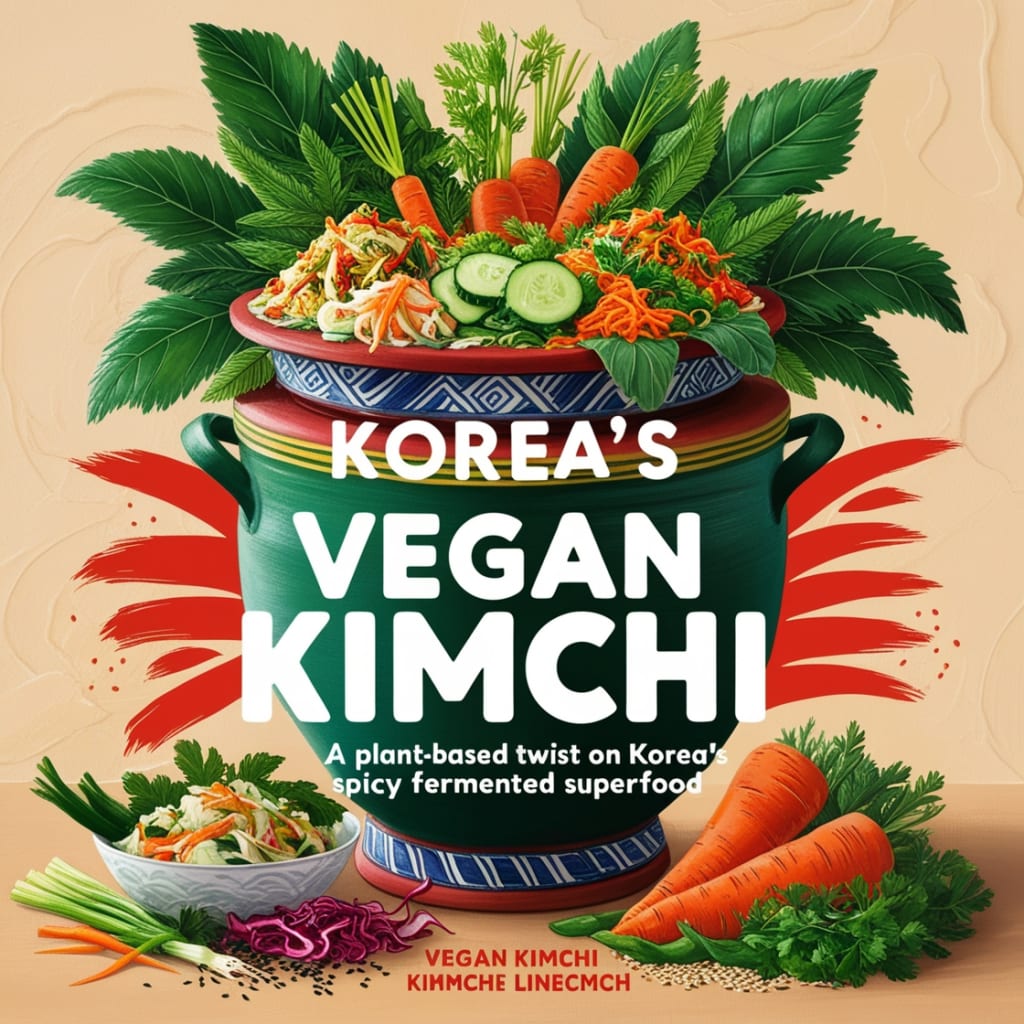
Korea's Vegan Kimchi - A Plant-Based Twist on Korea's Spicy Fermented Super food.
Learn how to create a delicious, gut-healthy, and cruelty-free version of Korea’s beloved Kimchi, packed with probiotics, bold flavors, and vibrant colors.
Introduction: The Global Kimchi Craze and the Plant-Based Revolution
Kimchi is much more than a staple in Korean cuisine. It’s a symbol of Korea’s culinary history, cultural heritage, and an essential part of everyday life. This fermented vegetable dish, typically made with Napa cabbage and seasoned with chili pepper, garlic, ginger, and fish sauce, has become globally popular due to its bold, spicy flavors and significant health benefits. From trendy restaurants in New York to humble kitchens in Seoul, kimchi is celebrated not just for its taste, but for itsprobiotic qualities that promote gut health and boost the immune system.
In recent years, the rise of plant-based diets and growing awareness of sustainability have prompted many food enthusiasts to seek out vegan versions of traditional dishes.Vegan Kimchi is an exciting and delicious alternative to the original, excluding the fish sauce and shrimp paste commonly used in traditional recipes. By substituting plant-based ingredients, vegan kimchi retains all the deep, umami flavors while remaining entirely cruelty-free.
This article will explore the history and cultural significance of kimchi, the health benefits of fermentation, and provide a detailed, step-by-step recipe for making your ownVegan Kimchi at home. With vibrant flavors, rich textures, and an abundance of nutrients, vegan kimchi is a versatile dish that can be enjoyed by everyone, whether you're a lifelong vegan, health-conscious eater, or simply curious about trying something new.
1.The History and Cultural Significance of Kimchi
Kimchi’s history is as rich as its flavor, dating back over 2,000 years to the early days of Korea. The word "kimchi" is derived from the Korean wordchimchae, meaning "soaked vegetables." Originally, kimchi was created as a way to preserve vegetables during Korea’s long winters. In a time before refrigeration, Koreans developed fermentation techniques to ensure they had access to nutritious vegetables throughout the year.
Over the centuries, the recipe for kimchi evolved, with different regions of Korea developing their own variations. Early versions of kimchi were made without chili peppers, as they were not introduced to Korea until the 16th century by Portuguese traders. Once chili peppers became a part of Korean cuisine, kimchi took on the fiery red color and spicy kick we associate with it today.
Kimchi is not just a food in Korea; it’s acultural symbol. It is often said that a Korean meal is not complete without kimchi, and many families have their own treasured recipes passed down through generations. In fact, there is an entire season dedicated to kimchi-making calledKimjang, where communities come together to prepare large quantities of kimchi for the winter months. UNESCO even recognizedKimjang as an Intangible Cultural Heritage, highlighting its importance in Korean culture.
Kimchi is more than just a side dish. It’s a representation of Korean identity, resilience, and the deep connection between people and the land. As kimchi’s popularity spreads worldwide, its role as a global ambassador for Korean cuisine continues to grow.
2. Why Vegan Kimchi? A Healthy, Ethical, and Sustainable Choice
Traditional kimchi often containsfish sauce orshrimp paste, which adds depth and umami to the flavor profile. While these ingredients are integral to many classic recipes, they pose a challenge for those following a plant-based diet or anyone looking to reduce their environmental footprint. Luckily,vegan kimchi offers a fantastic alternative without compromising on flavor.
a.The Ethical Benefits of Vegan Kimchi
Vegan kimchi aligns with the ethical principles of veganism by excluding animal products. By removing fish sauce and shrimp paste, vegan kimchi offers a compassionate alternative that supports animal welfare. Many vegans and vegetarians are drawn to plant-based versions of traditional dishes because they offer all the enjoyment of the original, but without harm to animals.
b.Environmental Sustainability
Choosing vegan kimchi is also a more environmentally sustainable option. The production of seafood, particularly small fish and shrimp used in fish sauce, contributes tooverfishing, marine habitat destruction, and high carbon emissions from fishing operations. Opting for plant-based alternatives, such as soy sauce orkombu (seaweed), helps reduce the environmental impact of your meals.
c.Health Benefits
Vegan kimchi is a nutritional powerhouse. It’s rich inprobiotics, which promote gut health, aid digestion, and support the immune system. Because it is made with vegetables like Napa cabbage, radishes, and carrots, vegan kimchi is high in fiber, vitamins, and antioxidants. Additionally, removing fish sauce reduces the sodium content, making it a heart-healthier option.
Kimchi is naturally low in calories, which makes it a great addition to a balanced diet. It’s also versatile and can be enjoyed with rice, in stews, or as a flavorful topping on your favorite plant-based meals. Whether you’re looking for a healthy side dish, a tangy condiment, or a digestive aid, vegan kimchi has it all.
3.Essential Ingredients for Making Vegan Kimchi
To make deliciousVegan Kimchi, you’ll need a handful of essential ingredients that bring together the bold, spicy, and umami-rich flavors this dish is known for. Below is a breakdown of the key components you’ll need for the perfect batch of vegan kimchi.
a.Napa Cabbage
The star of any kimchi recipe is theNapa cabbage, also known asChinese cabbage. Napa cabbage has a tender texture and subtle sweetness that pairs beautifully with the spicy kimchi seasoning. When fermented, it becomes soft yet crunchy, soaking up all the flavors of the spices and garlic.
b.Korean Chili Flakes (Gochugaru)
The distinctive red color and heat of kimchi come fromgochugaru, Korean chili flakes. Gochugaru is milder than some other chili flakes, offering a smoky, slightly fruity heat that is crucial to the flavor of authentic kimchi. You can adjust the amount of gochugaru to suit your spice tolerance, but it’s an essential ingredient for capturing the traditional taste.
c.Garlic and Ginger
A generous amount of garlic and fresh ginger gives kimchi its characteristic punch. These two ingredients add warmth and complexity to the kimchi paste, creating layers of flavor as the kimchi ferments.
d.Daikon Radish
In addition to Napa cabbage,daikon radish is a common vegetable used in kimchi. It adds a crunchy texture and mild peppery flavor, complementing the cabbage. You can also use other vegetables like carrots or cucumbers if you prefer a variation in texture.
e.Salt (Korean Sea Salt)
Salt is critical to the fermentation process. It draws out moisture from the vegetables, creating an environment where beneficial bacteria can thrive while preventing harmful bacteria from developing.Korean sea salt is often used in kimchi, but any coarse salt can be substituted as long as it’s free from additives like iodine or anti-caking agents.
f.Plant-Based Umami Ingredients
Since traditional kimchi relies on fish sauce for its umami, vegan kimchi calls for plant-based alternatives to replicate that deep, savory flavor. Some popular options include:
-Soy Sauce orTamari: Provides a salty, umami-rich flavor without fish.
-Miso Paste: A fermented soybean paste that adds depth and complexity.
-Kombu (Seaweed): Adds a briny, oceanic flavor reminiscent of seafood.
-Mushroom Powder: Made from dried shiitake mushrooms, this powder boosts the umami profile of the kimchi.
4. Step-by-Step Guide to Making Vegan Kimchi
Now that we’ve covered the essential ingredients, it’s time to dive into the process of makingVegan Kimchi. This step-by-step guide will walk you through the fermentation process, ensuring that your kimchi is packed with flavor and beneficial probiotics.
Ingredients:
- 1 largeNapa cabbage (about 2-3 lbs)
- 1 mediumdaikon radish, peeled and julienned
- 3 mediumcarrots, julienned
- 4 tablespoonsKorean sea salt or coarse sea salt
- 1/4 cupgochugaru (Korean chili flakes)
- 6 clovesgarlic, minced
- 1 tablespoonfresh ginger, grated
- 3 tablespoonssoy sauce ortamari (for gluten-free option)
- 1 tablespoonmiso paste (optional, for added umami)
- 1 tablespoonsugar ormaple syrup (to balance the spice)
- 1 sheet ofkombu (optional)
- 4-5 green onions, chopped into 1-inch pieces
- Water (for soaking the cabbage)
Instructions:
1.Prepare the Cabbage:
- Cut the Napa cabbage into quarters lengthwise, then chop each quarter into bite-sized pieces.
- Place the chopped cabbage into a large bowl and sprinkle with salt. Massage the salt into the cabbage for a few minutes until it begins to wilt and release water.
- Cover the cabbage with water and let it sit for 1-2 hours. This process softens the cabbage and helps it absorb the seasoning later.
2.Rinse and Drain the Cabbage:
- After soaking, drain the cabbage and rinse it
thoroughly to remove the excess salt. Allow it to drain in a colander while you prepare the kimchi paste.
3.Make the Kimchi Paste:
- In a small bowl, combine thegochugaru, minced garlic, grated ginger, soy sauce, miso paste (if using), and sugar. Mix well to form a thick paste.
- If using kombu, you can steep it in warm water for 10 minutes to create a quick broth, then add it to the paste for a subtle ocean flavor.
4.Add Vegetables:
- In a large mixing bowl, combine the drained cabbage, daikon radish, carrots, and green onions. Pour the kimchi paste over the vegetables and use your hands to massage the paste into the vegetables until everything is evenly coated.
5.Pack into Jars:
- Once the vegetables are thoroughly coated in the kimchi paste, pack them tightly into sterilized glass jars. Press down firmly to remove any air pockets.
- Leave about an inch of space at the top of each jar to allow for expansion as the kimchi ferments.
6.Fermentation:
- Close the jars tightly and leave them at room temperature for 1-2 days to begin the fermentation process. After the initial fermentation, transfer the jars to the refrigerator.
- The kimchi will continue to ferment in the fridge, developing its flavor over time. You can start tasting your kimchi after about a week, but it will become more sour and complex the longer it ferments.
5.Health Benefits of Vegan Kimchi
Vegan Kimchi is not only a culinary delight, but it also offers numerous health benefits. Here’s why it’s considered a superfood:
a.Probiotics for Gut Health
The fermentation process in kimchi producesprobiotics, which are beneficial bacteria that support a healthy gut microbiome. A balanced gut microbiome is essential for digestion, nutrient absorption, and overall well-being.
b.Rich in Antioxidants
Kimchi’s key ingredients, such as garlic, ginger, and chili peppers, are packed withantioxidants. These compounds help fight oxidative stress in the body, reducing the risk of chronic diseases and supporting a healthy immune system.
c.High in Fiber and Vitamins
The vegetables used in kimchi, particularly Napa cabbage and radish, are rich infiber, which aids digestion and helps maintain a healthy weight. Kimchi is also high invitamins A, C, and K, which contribute to immune function, skin health, and bone strength.
d.Promotes Weight Loss
Kimchi is naturally low in calories but high in fiber, making it a satisfying and nutritious addition to meals. Studies have shown that fermented foods like kimchi can help regulate appetite, boost metabolism, and promote fat loss.
6.Serving Suggestions and Creative Ways to Use Vegan Kimchi
Vegan kimchi is incredibly versatile and can be enjoyed in countless ways. While it’s delicious as a simple side dish, here are some creative ways to incorporate kimchi into your meals:
-Kimchi Fried Rice: Stir-fry cooked rice with vegan kimchi, tofu, and a splash of soy sauce for a quick and flavorful meal.
-Kimchi Tacos: Use kimchi as a tangy topping for tacos filled with grilled vegetables or plant-based protein.
-Kimchi Stew (Kimchi Jjigae): Add kimchi to a vegetable-based broth for a comforting and spicy Korean stew.
-Kimchi Pancakes (Kimchijeon): Mix chopped kimchi with a simple batter made of flour and water to create savory, crispy pancakes.
-Kimchi Bowls: Build a nourishing grain bowl with rice or quinoa, roasted vegetables, and a generous spoonful of vegan kimchi on top.
-Kimchi Grilled Cheese: Add a spicy twist to your favorite vegan grilled cheese sandwich by layering kimchi between slices of plant-based cheese and bread.
Conclusion: Vegan Kimchi, A Flavorful and Ethical Staple for Every Kitchen
Vegan kimchi is a perfect example of how traditional recipes can be adapted to meet modern dietary preferences without sacrificing flavor or authenticity. By swapping out fish sauce for plant-based alternatives, this version of kimchi is both cruelty-free and environmentally friendly. Packed with probiotics, vitamins, and antioxidants, vegan kimchi offers an impressive array of health benefits while delivering the bold, spicy, and tangy flavors that have made it a global favorite.
Whether you’re new to plant-based eating or a seasoned vegan, vegan kimchi is a must-try dish that will elevate your meals and bring a taste of Korea’s rich culinary heritage to your kitchen. From its cultural significance to its health-boosting properties, this vibrant and versatile dish deserves a place in your recipe rotation. So, grab some Napa cabbage, gochugaru, and garlic, and get fermenting—you’ll soon be enjoying the delicious rewards of homemade vegan kimchi.
About the Creator
Md Obydur Rahman
Md Obydur Rahman is a passionate Story and Content Writer, known for crafting engaging narratives that resonate with readers. He skillfully weaves emotion and realism, bringing characters and stories to life.
Keep reading
More stories from Md Obydur Rahman and writers in Feast and other communities.
Fried Eggs with Dill: A Flavorful and Nutritious Twist to Elevate Your Breakfast
Introduction: Seared Eggs with Dill" consolidates the straightforwardness of broiled eggs with the fragrant newness of dill spice. This dish commonly includes broiling eggs until the whites are firm and the yolks are cooked to inclination, frequently with somewhat fresh edges for added surface. Dill, finely slashed or sprinkled entire, is then liberally added to the eggs, implanting them with its unmistakable, somewhat tart flavor. The spice improves the taste as well as gives a dynamic green differentiation against the brilliant eggs. This blend makes "Broiled Eggs with Dill" a wonderful and invigorating turn on an exemplary breakfast or early lunch choice, offering both visual allure and a magnificent natural fragrance.
By Md Obydur Rahmanabout a year ago in Feast
My Tous les Jours Trip
As someone who lives in a rural area, I don't get the chance to visit fancy restaurants or bakeries that often. So, when a friend told me about a French-Asian bakery that's less than an hour away, I knew I had to check it out and grab some pictures for social media. Tous les Jours ended up providing an immersive experience that went above and beyond my expectations--although I did leave with a few reservations.
By Kaitlin Shanks24 days ago in Feast
Orange Market Size and Forecast 2025–2033
Orange Market at a Glance (Renub Research) The Global Orange Market is expected to reach US$ 53.74 billion by 2033, up from US$ 38.45 billion in 2024, expanding at a CAGR of 3.79% from 2025 to 2033. Rising consumer demand for vitamin C–rich foods, the rapid growth of juice and beverage categories, health-conscious lifestyles, and the expanding use of oranges in cosmetics, pharmaceuticals, and functional foods are the primary growth engines. Export opportunities and favorable cultivation conditions across major producing regions further reinforce long-term market expansion.
By Aaina Oberoi6 days ago in Feast




Comments
There are no comments for this story
Be the first to respond and start the conversation.