
Japan Biscuits Market: Consumption Trends, Growth, and Forecast
How Changing Lifestyles and Premium Snacking Are Shaping Japan’s Biscuits Industry
Market Overview
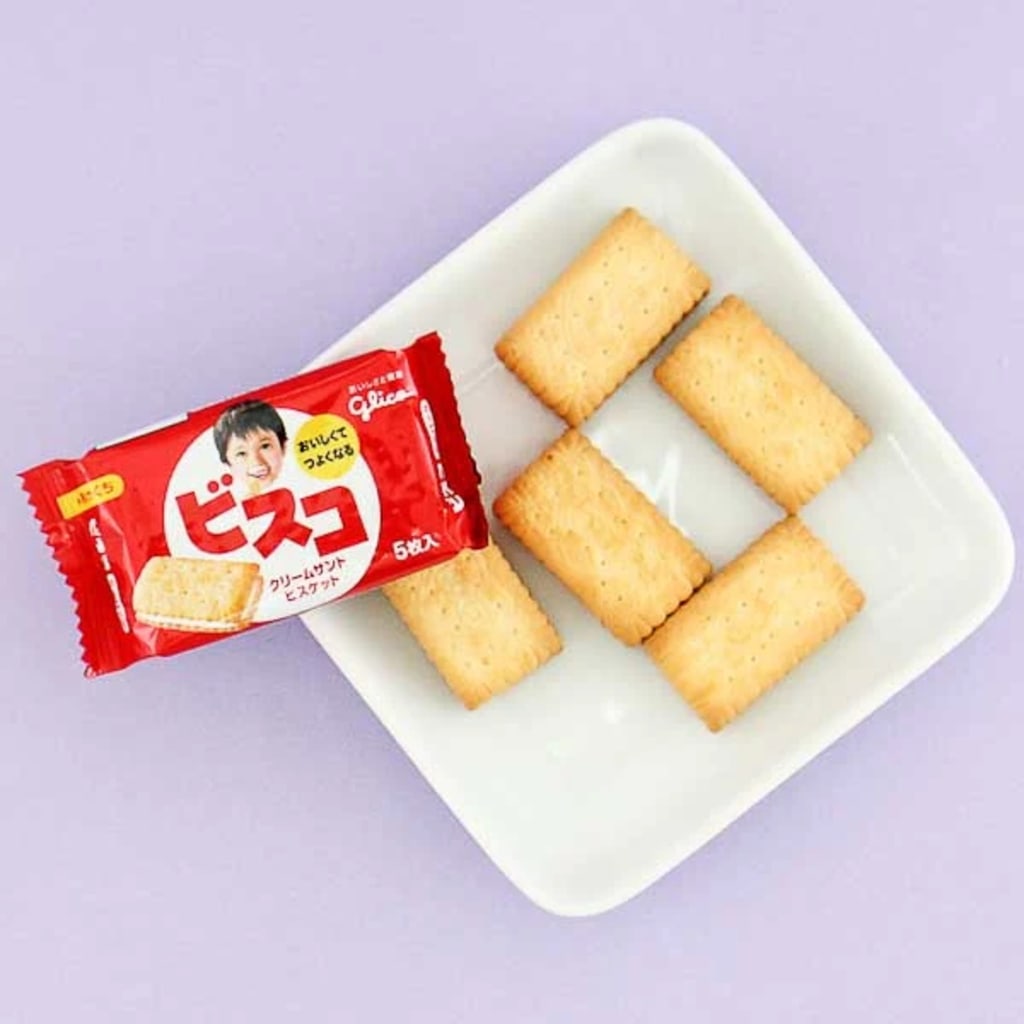
Biscuits remain a core segment of Japan’s packaged food and snacking industry, consumed widely across age groups and occasions. From everyday snacks and tea accompaniments to gifting and seasonal purchases, biscuits are deeply embedded in Japan’s food culture. The market continues to evolve as consumers seek greater variety, convenience, and product quality, supporting steady demand across both mass-market and premium categories.
According to IMARC Group, the Japan biscuits market reached a size of USD 6.4 billion, reflecting strong domestic consumption and wide product availability across retail formats. Looking ahead, the market is expected to expand and reach USD 9.9 billion, supported by consistent everyday demand and the growing presence of value-added biscuit offerings. Market growth is being driven by high-volume consumption as well as the introduction of functional, low-sugar, and premium biscuit variants, with manufacturers focusing on differentiation through flavors, textures, packaging formats, and health-oriented positioning in a competitive snack food landscape.
Request PDF Sample for more detailed market insights:
Key Growth Drivers in the Japan Market
- Changing Snacking Habits and Urban Lifestyles
Busy work schedules and urban living are increasing demand for convenient, ready-to-eat snacks. Biscuits offer portability, portion control, and long shelf life, making them a preferred choice for on-the-go consumption, office breaks, and home snacking.
- Premiumization and Gifting Demand
Japan’s strong gifting culture continues to support demand for premium biscuits with refined packaging and unique flavors. Seasonal and limited-edition biscuit products are particularly popular during festivals, holidays, and corporate gifting occasions, encouraging manufacturers to invest in premium branding.
- Rising Interest in Health-Conscious Products
Health awareness among consumers is driving demand for biscuits with reduced sugar, added fiber, whole grains, and functional ingredients. This shift is prompting product reformulation and portfolio expansion to balance indulgence with nutritional considerations.
Japan Biscuits Market Segmentation
Product Type Insights:
Crackers and Savory Biscuits
- Plain Crackers
- Flavored Crackers
Sweet Biscuits
- Plain Biscuits
- Cookies
- Sandwich Biscuits
- Chocolate-coated Biscuits
- Others
Ingredient Insights:
- Wheat
- Oats
- Millets
- Others
Packaging Type Insights:
- Pouches/Packets
- Jars
- Boxes
- Others
Distribution Channel Insights:
- Supermarkets and Hypermarkets
- Convenience Stores
- Independent Bakery
- Online Stores
- Others
Regional Insights:
- Kanto Region
- Kansai/Kinki Region
- Central/Chubu Region
- Kyushu-Okinawa Region
- Tohoku Region
- Chugoku Region
- Hokkaido Region
- Shikoku Region
This segmentation highlights the market’s ability to cater to diverse consumer preferences, consumption occasions, and regional demand patterns.
Competitive Landscape
The Japan biscuits market features a mix of established domestic manufacturers and international brands. Competition is driven by product quality, flavor innovation, packaging appeal, and brand recognition. Companies are increasingly focusing on premium product lines, limited-edition launches, and strategic retail partnerships to strengthen market positioning.
Market Outlook
The Japan biscuits market is expected to maintain steady growth, supported by evolving snacking habits, premiumization, and continued product innovation. As manufacturers adapt to health trends and leverage digital tools for demand forecasting and distribution, biscuits are likely to remain a key category within Japan’s packaged food industry.
About IMARC Group
IMARC Group is a leading market research and consulting firm providing strategy development, industry analysis, feasibility studies, and data-driven insights across global markets. The firm supports businesses, investors, and governments in making informed decisions through reliable and actionable research.
About the Creator
My Tous les Jours Trip
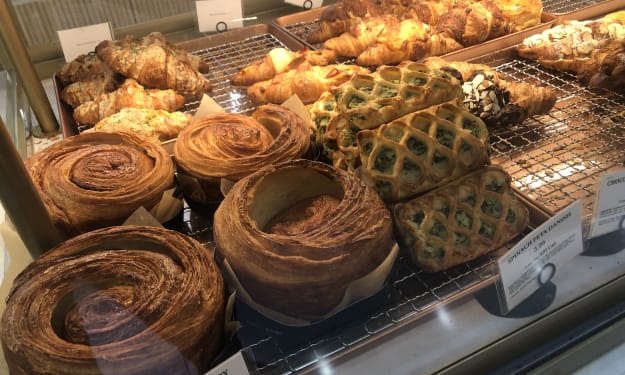
As someone who lives in a rural area, I don't get the chance to visit fancy restaurants or bakeries that often. So, when a friend told me about a French-Asian bakery that's less than an hour away, I knew I had to check it out and grab some pictures for social media. Tous les Jours ended up providing an immersive experience that went above and beyond my expectations--although I did leave with a few reservations.
By Kaitlin Shanks26 days ago in Feast
Edible Offal Market Size and Forecast 2025: A Global Shift Toward Sustainable, Affordable Protein
Edible Offal Market Size and Forecast 2025 The Edible Offal Market is projected to reach US$ 59.60 billion by 2033, rising from US$ 39.66 billion in 2024, registering a CAGR of 4.63% from 2025 to 2033, according to Renub Research. This steady expansion reflects a powerful global shift toward affordable, nutrient-dense protein sources, culturally rooted culinary practices, rising meat consumption, sustainable meat processing, and increasing awareness of food waste reduction. Particularly in developing regions and ethnic cuisine markets, offal is no longer seen as a by-product—it is emerging as both a nutritional asset and a sustainability solution.
By Aaina Oberoi5 days ago in Feast



Comments
There are no comments for this story
Be the first to respond and start the conversation.