
Injera: The Heart of Ethiopian Cuisine and My Heritage
The Heart of Ethiopian Cuisine and My Heritage
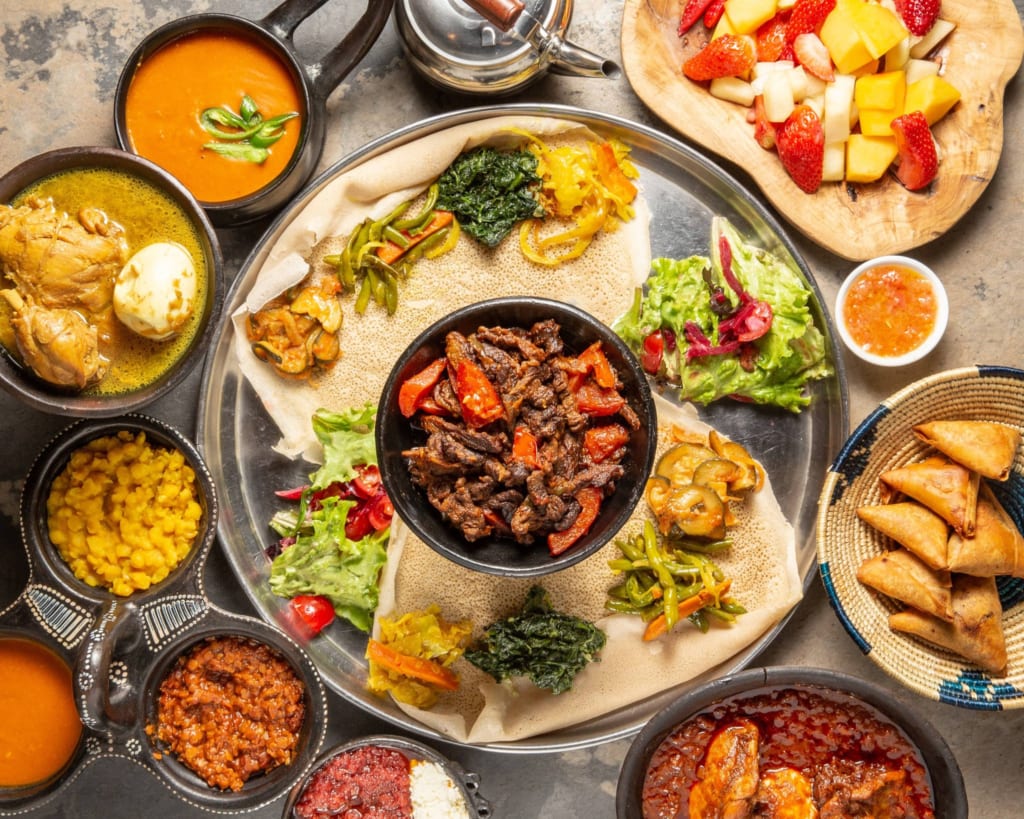
Food means more than just eating. It tells stories, reflects our traditions, and shapes our identities. For me, injera is not just a dish; it represents my culture, family ties, and my connection to Ethiopian roots. This sour, spongy flatbread has been a constant in my home, bringing back memories of family gatherings, childhood meals, and the pride of upholding a long-standing culinary tradition.
Thinking about my life, I see how food links to the moments that have defined me, both joyful and challenging. Injera has always held a special place in my family's history. It stands for community, togetherness, and the legacy of those who came before us, captured in every bite.
The Significance of Injera
Injera is the most famous food in Ethiopia. It serves as both a meal and a utensil. Made mostly from teff, a grain native to the Horn of Africa, injera is a fermented flatbread with a unique tangy flavor and a soft, spongy texture. It’s often paired with various stews, vegetables, and salads, which we scoop up using pieces of injera instead of forks.
The story of injera goes back over a thousand years. While we don't know exactly where it started, it has been a key part of Ethiopian cooking for centuries. This simple bread has seen the rise and fall of empires, the movement of people, and changes in cooking methods. Today, it is a crucial part of Ethiopian identity, present in everyday meals and special celebrations.
For me, injera carries memories. As a child, my mother rose early to make the batter. She mixed teff flour with water and let it ferment for days. This process was an art that required patience and care to get just the right taste and texture.
Once ready, she poured the batter onto a large round griddle called a mitad, cooking it into soft, light rounds of injera. The smell of the dough and the sight of my mother working are vivid in my mind. My grandmother often told stories about how her mother and grandmother mastered the technique, learning from watching rather than reading recipes.
Injera: A Symbol of Togetherness
Injera represents more than just a meal; it's a sign of unity and shared experiences. In Ethiopian culture, meals are eaten from a single large platter, highlighting the importance of togetherness. Sharing injera is a way to show love and hospitality, whether with family, friends, or guests.
I recall many evenings with my family gathered around a big plate of food. We would sit on low stools, tearing off pieces of injera and dipping them into flavorful stews and salads. This simple act went beyond just eating; it was about nourishing our souls, not just our bodies.
Some of my favorite memories involve sharing a meal with those I care about. Laughter and conversations filled the air as we reached for injera, dipping it into dishes like doro wat (chicken stew) and misir wat (spiced lentils). It was understood that sharing a meal meant sharing life’s highs and lows.
These shared moments have deeply influenced my view of food and family. Whether celebrating a special occasion or enjoying a quiet night at home, sharing injera reinforces that food is about more than just nutrition; it's about connection.
The Unique Flavors of Injera
Injera has a unique taste that is both earthy and tangy. Its fermentation gives it a slight sourness that complements the bold flavors of Ethiopian food. The texture is light and somewhat chewy, with a soft surface that soaks up sauces well. It serves as both a holder and a perfect match for the other dishes, enhancing their flavors.
There’s something satisfying about injera’s texture—the way it tears easily, its spongy softness, and the pleasing chewiness of the outer layers. It balances well with the rich stews, vegetables, and lentils it accompanies.
When I first tried making injera, I struggled. The batter didn’t ferment correctly, and I ended up with a tough pancake. Learning to make it took practice. I discovered how long to let the batter ferment, the correct thickness, and the right cooking temperature. Now, making injera feels like honoring my heritage.
The Ritual of Making Injera
Making injera involves a special rhythm—a mindful interaction between the cook and the ingredients. Although it seems straightforward, the process is complex. Fermentation is key. Teff flour, when mixed with water and left to ferment for days, develops natural yeasts, creating its distinct sour flavor.
Patience is essential in fermentation. Rushing it won’t allow the flavors or texture to develop properly. My grandmother often reminded me, “Patience is the secret ingredient.” Each day, I would monitor the batter, eager for the moment I could cook it into the spongy treat I envisioned.
Watching the batter cook on the griddle is magical. Bubbling forms as the surface changes, creating a network of holes. The warm aroma filling the kitchen is comforting and reminds me of home. Once cooled, the injera becomes soft and ready to enjoy with other dishes.
Bringing Culture to the Table
Making injera is about more than just food; it's about honoring a tradition that has been shared through generations. In our busy lives, the careful process of preparing injera teaches us patience, celebrates our heritage, and reminds us of the joy found in sharing meals with those we love.
In my kitchen, I continue this practice, keeping my family's traditions alive and sharing this special dish with friends from different backgrounds. Watching someone try injera for the first time is truly special. Their excitement as they taste the unique flavors and textures highlights how food can unite people across different cultures.
I've shared injera with many, and each time is a new adventure for them, exploring Ethiopian flavors that have filled my life since childhood. It’s a way for me to share my heritage and connect with others, breaking down barriers and building friendships.
Whether you have Ethiopian roots or are just curious about trying new foods, I encourage you to make injera at home. Enjoy the flavors, appreciate the history, and feel the warmth this dish brings. Injera is not just a meal; it connects us to family, culture, and Ethiopian culinary heritage.
Conclusion
Injera is more than a dish; it is a vibrant tradition that lives on in the hearts of those who value it. It symbolizes togetherness, reflects our culture, and carries love through generations. As I make this dish for my family, I feel a strong bond to my roots and the importance of sharing this heritage.
The next time you tear off a piece of injera and enjoy it with doro wat, remember that you are taking part in a tradition that connects families and communities. Savor the experience, relish the flavors, and hold on to the memories.
About the Creator
Jaffar Redi
A passionate storyteller and creative thinker with a love for crafting engaging content that connects with readers. Always exploring new ideas, learning, and bringing stories to life in unique ways!
Keep reading
More stories from Jaffar Redi and writers in Feast and other communities.
The Recipe: Bulla with Spiced Butter and Kale (Gomen)
The Recipe: Bulla with Spiced Butter and Kale (Gomen) Bulla, the core of our highland culinary tradition, can be relished either as a creamy, heartwarming porridge or formed into flatbread, echoing the very texture of the land we call home. When paired with the deeply flavorful nit’r qibe, our spiced butter, and the robust kale wot, this meal encapsulates the essence of simplicity intertwined with rich flavors, a true celebration of southern Ethiopian cooking wisdom.
By Jaffar Redi11 months ago in Feast
My Tous les Jours Trip
As someone who lives in a rural area, I don't get the chance to visit fancy restaurants or bakeries that often. So, when a friend told me about a French-Asian bakery that's less than an hour away, I knew I had to check it out and grab some pictures for social media. Tous les Jours ended up providing an immersive experience that went above and beyond my expectations--although I did leave with a few reservations.
By Kaitlin Shanksabout a month ago in Feast
Fun Facts About Popcorn
There are over 50 fun facts about popcorn, the popular snack loved by children and adults. All the popcorn trivia is interesting, but my favorite fun fact is that the popcorn sold in theaters around the world today was once banned in movie theaters.
By Margaret Minnicks7 days ago in Feast



Comments
There are no comments for this story
Be the first to respond and start the conversation.