
Infused to Perfection: The Art of Blending Flavors into Chocolate
Flavors That Tell Stories

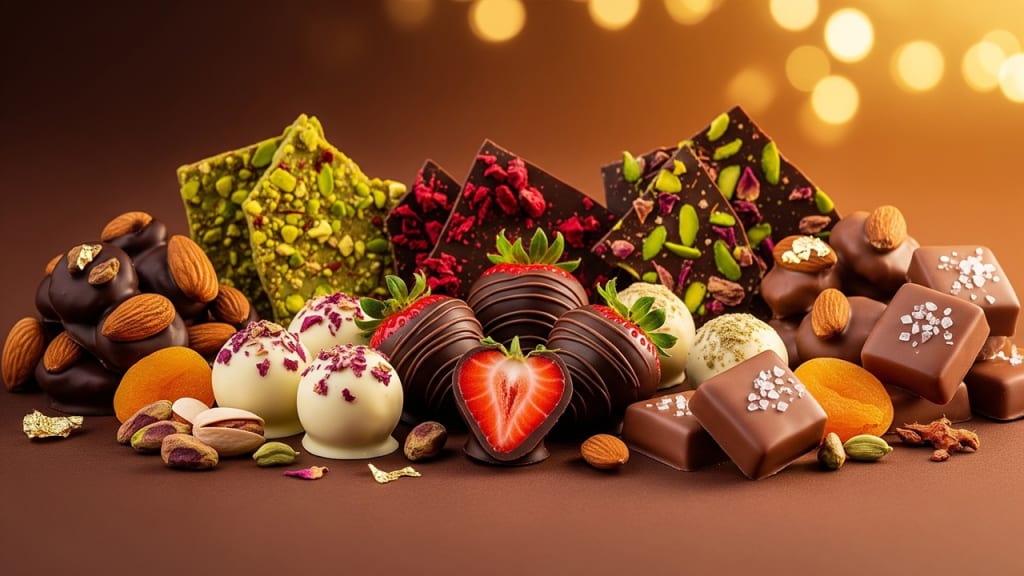
There’s something magical about the way chocolate transforms when it meets another flavor.
A hint of saffron, a whisper of rose, or the satisfying crunch of roasted pistachio — suddenly, it’s not just chocolate anymore. It’s an experience. A story that unfolds on your palate, one layer at a time.
Gone are the days when chocolate simply meant milk, dark, or white. Today, chocolatiers are artists — experimenting with everything from fragrant spices to sun-dried fruits and floral essences. The result? Flavor combinations that surprise, comfort, and sometimes even transport you somewhere else entirely.
Think of it as edible storytelling. Every infused piece carries emotion and memory — the warmth of cardamom reminding you of winter desserts, or the sparkle of sea salt awakening your senses in one perfect bite.
What’s fascinating is how much care and craft goes into these creations. It’s not about throwing flavors together; it’s about achieving harmony — that delicate balance where no single note overpowers the other.
In this guide, we’re diving into the delicious world of flavored chocolates — how artisans bring unique combinations to life, why certain pairings just work, and how you can experiment with infusions in your own kitchen. Whether you’re a curious taster or a hands-on chocolate lover, this is your invitation to explore the art of blending flavors into chocolate.
The Art of Infusion
So, what does it really mean to infuse chocolate?
At its heart, infusion is about balance — it’s not just tossing ingredients into melted chocolate and hoping for the best. It’s a patient, deliberate process that combines art, chemistry, and intuition. The goal is simple yet surprisingly complex: to let one ingredient whisper to the chocolate’s natural richness without shouting over it.
When done right, an infusion doesn’t just flavor chocolate — it transforms it. You don’t just taste saffron, rose, or pistachio; you experience how those flavors melt into the cocoa, creating new layers of aroma, texture, and depth.
Here’s how artisans and chocolatiers bring this alchemy to life:
1. Direct Infusion: Subtle and Aromatic
This is where science meets patience. Ingredients like herbs, teas, or spices are gently steeped in warm cream or cocoa butter before being mixed into chocolate. This process allows the chocolate to absorb the natural oils and aromas from the infusing ingredient.
Imagine cocoa butter infused with crushed cardamom pods — the final chocolate doesn’t taste like spice; it carries a quiet warmth that lingers long after the bite is gone.
Common examples include:
- Earl Grey–infused milk chocolate
- Lavender or chamomile white chocolate
- Cinnamon or chili–infused dark chocolate
Each infusion changes the tone of the chocolate, from soothing and floral to bold and fiery.
2. Natural Pairing: Texture Meets Taste
Sometimes, infusion is as simple as pairing — blending inclusions like nuts, fruits, or flowers directly into the chocolate itself. This not only adds flavor but also brings texture and visual beauty.
Think of roasted almonds peeking through a dark chocolate bar, dry fruits sprinkled over chocolate bark, or sun-dried figs folded into a milk chocolate slab.
This method is often used for handcrafted chocolate barks — where the artistry lies in how the ingredients are arranged and balanced. The chocolate becomes a canvas for natural elements, each contributing a unique note: the crunch of nuts, the chewiness of fruit, or the delicate floral touch that adds elegance.
3. Layered Flavoring: Harmony in Complexity
This is where true artistry shines. Layered flavoring involves combining two or more complementary flavors to build complexity and depth. For example, pairing nutty pistachio with aromatic saffron, or floral rose with creamy white chocolate. Each layer plays a role — one may bring richness, another brightness, and together, they create something unforgettable.
It’s much like composing music. Each ingredient is a note — pistachio brings texture and subtle sweetness, saffron adds warmth and color, and together, they harmonize into a luxurious symphony of taste. The challenge for chocolatiers is knowing when to stop — when the balance feels just right.
In the world of artisan chocolate, these infusion methods aren’t just recipes; they’re expressions of creativity and precision. A skilled chocolatier understands that the best flavored chocolates don’t scream their ingredients — they sing them, softly and beautifully, in perfect tune with cocoa’s natural soul.
Flavors That Tell Stories
Every infused chocolate carries a bit of storytelling — some cultural, some emotional, and all delicious.
Take rose and cardamom, for example. This pairing evokes the essence of Middle Eastern and Indian desserts — delicate, aromatic, and deeply comforting. A white chocolate infused with rose becomes something ethereal, while cardamom adds warmth and depth.
Then there’s pistachio and saffron — a luxurious duo that instantly feels regal. The roasted nuttiness of pistachio blends beautifully with saffron’s subtle earthiness, creating a chocolate that feels both indulgent and refined.
Dark chocolate with dates is another unforgettable combination. It balances the rich bitterness of cocoa with the natural sweetness of fruit, creating a wholesome treat that feels like dessert and nourishment in one bite.
You might even find sea salt dark chocolate captivating — the salt doesn’t make it salty, but instead sharpens the chocolate’s sweetness, awakening your taste buds.
Each of these combinations transforms chocolate into a cultural expression — a meeting point between tradition and innovation.
The Science Behind Perfect Pairings
Behind the artistry of infused chocolate lies a touch of food science.
Each pairing works because of the way flavor compounds interact with cocoa’s natural chemistry:
- Rose + White Chocolate: Fat carries floral aroma beautifully, giving a soft, elegant finish.
- Sea Salt + Milk Chocolate: Salt reduces bitterness and enhances sweetness perception.
- Saffron + Dark Chocolate: Both share earthy, bitter undertones that layer into a complex flavor.
- Pistachio + Cocoa: Nut oils enhance creaminess and extend the chocolate’s melt.
Chocolate-making is truly part art, part chemistry — where precision meets creativity, and science amplifies flavor.
How to Taste Infused Chocolates Like a Pro
When it comes to infused chocolate, tasting is a ritual. Each step helps you discover the layers within.
- Observe – Notice the color and sheen; darker chocolates tend to have a glossy surface, while milk or white versions appear softer.
- Smell – Before tasting, take in the aroma. Can you sense fruit, spice, or floral hints?
- Snap – A clean break signals good tempering and texture.
- Savor – Let the chocolate melt slowly on your tongue. Don’t rush — the infused flavors unfold in waves, from cocoa to spice to aftertaste.
Mindful tasting makes chocolate an experience, not just a snack.
Global Inspirations
Infused chocolate isn’t a modern invention — it’s a continuation of centuries of cultural creativity.
- Latin America: The birthplace of cacao, where chili and spices were first blended with cocoa in sacred drinks.
- Europe: Masters of citrus and nut pairings — think orange peels in dark chocolate or hazelnut pralines.
- Middle East: Known for luxurious blends like saffron, pistachio, rose, and date — flavors that now inspire many modern chocolate artisans.
Every region adds its own twist, proving that chocolate is a global language of flavor.
Try It at Home
You don’t have to be a professional chocolatier to experiment with flavor. Try these easy infusions in your own kitchen:
- Dark Chocolate with Orange Zest – Melt dark chocolate, stir in orange zest, and pour onto parchment to create your own chocolate bark.
- White Chocolate with Lavender – Add a few drops of lavender essence for a floral twist.
- Milk Chocolate with Sea Salt and Almonds – Sprinkle flaky sea salt and roasted nuts for a perfect sweet-salty crunch.
- Coconut and Pistachio Bark – Combine shredded coconut and chopped pistachios with melted dark chocolate for a quick, tropical-inspired treat.
Remember — the secret to great infused chocolate is starting with high-quality chocolate. The better the base, the truer and cleaner the infusion tastes.
A Symphony of Flavor
Infusing flavors into chocolate is more than culinary technique — it’s an art form that celebrates taste, culture, and craftsmanship. Each ingredient, whether a fragrant spice or a humble nut, brings a voice to the composition.
When blended with care, those voices create harmony — a melody you can taste.
So the next time you bite into a bar of flavored chocolate, pause for a moment. Notice the layers, the balance, and the story it tells. That’s not just dessert — it’s art, emotion, and a little bit of science wrapped in one perfect square.
About the Creator
Emily Maren
Emily Maren, chocolate lover and mom of two, explores artisan treats, shares expert tips, and celebrates the sweet art of fine chocolate making.
Keep reading
More stories from Emily Maren and writers in Feast and other communities.
The Ultimate Guide to Hosting a Chocolate Tasting Party at Home
Ever imagined turning your love for chocolate into a full-fledged experience? Picture this — a cozy evening with friends, laughter echoing through the room, and a table filled with rich, glossy chocolates waiting to be tasted. Each bite brings something new — a hint of caramel here, a touch of spice there, a silky melt that makes everyone go “mmm.”
By Emily Maren3 months ago in Feast
My Tous les Jours Trip
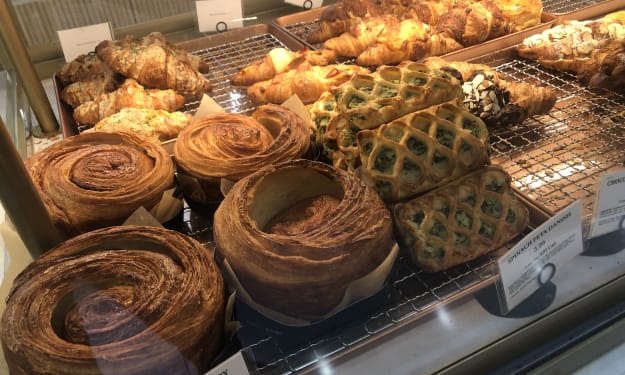
As someone who lives in a rural area, I don't get the chance to visit fancy restaurants or bakeries that often. So, when a friend told me about a French-Asian bakery that's less than an hour away, I knew I had to check it out and grab some pictures for social media. Tous les Jours ended up providing an immersive experience that went above and beyond my expectations--although I did leave with a few reservations.
By Kaitlin Shanks23 days ago in Feast
White Mushroom Market Size and Forecast 2025–2033
Introduction White mushrooms—scientifically known as Agaricus bisporus—are no longer confined to salads, pizzas, and soups. Once considered a humble kitchen staple, they are now emerging as a strategic crop in the global agrifood ecosystem. Driven by sustainability trends, plant-based eating, and rising health consciousness, white mushrooms have carved out a powerful position in both consumer markets and foodservice industries.
By jaiklin Fanandish3 days ago in Feast



Comments
There are no comments for this story
Be the first to respond and start the conversation.