
How to Eat Like a Local in Sri Lanka
Sri Lankan Cuisine
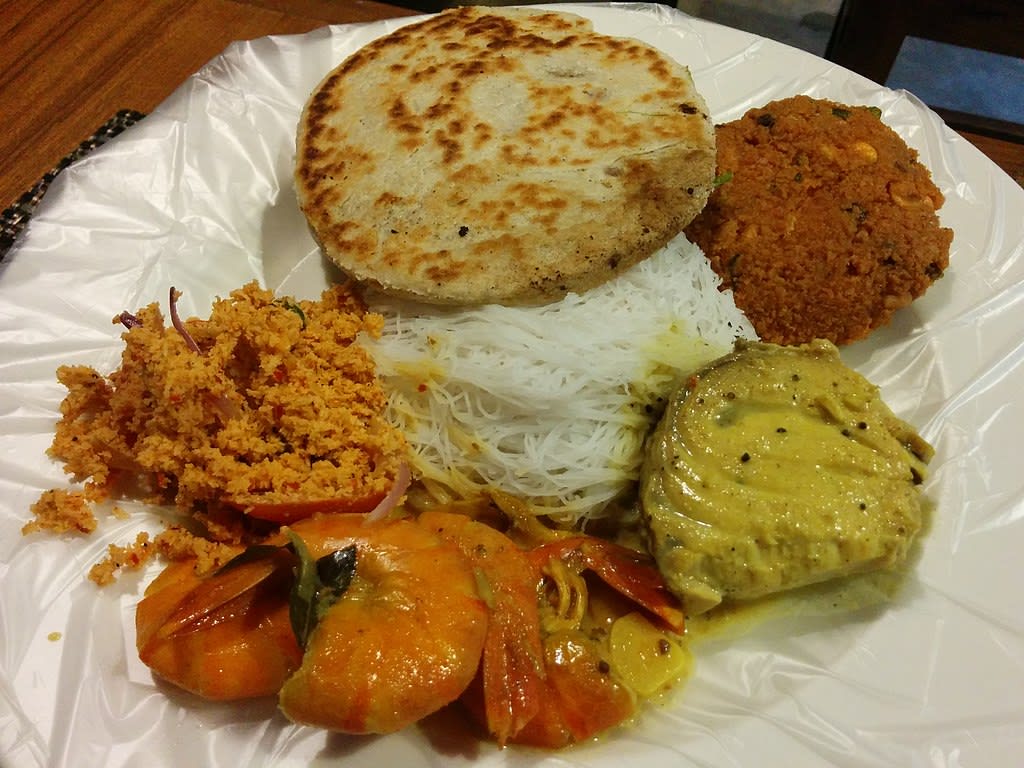
Sri Lankan cuisine is nothing like you would expect it to be if you've never eaten it before. Most people assume that Sri Lankan food is a lot similar in taste to Indian food, and while there are many similarities, Sri Lankan food is made up of different varieties across the major cities of the small island nation. Sri Lankan food is heavily influenced by Sinhalese, Tamil and Muslim culture as well as British, Portuguese and Dutch colonial influences among others.
The "Short-Eats" Tradition
If you are interested in trying out the local cuisine, you should eat like a local to really embrace the authenticity. The first round would be a tray of traditional "short eats." These are often found in small snack shops and street food stalls, enjoyed by Sri Lankans as a lighter meal that sometimes makes up either breakfast, lunch or dinner. There will be plenty of options including small meat patties, Chinese rolls, mini hamburgers and the famous seeni sambol bun. They will charge you for the number of pastries you eat off the tray. Ask for a cup of sickly-sweet milk tea to go with the pastries.
Traditional Sri Lankan Breakfasts
Sri Lankan traditional breakfasts can number in many, which are often eaten with chicken curry, fish curry, dhal and coconut sambol. The carbohydrate that joins all this together could be egg, hoppers, plain hoppers, the completely unrelated string hoppers, roti or just some good old fire-baked bread. Traditional Sri Lankan breakfast varies with every new city you visit. The Northern parts will also serve dishes that come from their Tamil heritage including idli with green and orange chutneys. You will find that you could pick a pot of tea or Sri Lankan coffee to drink down this hearty morning meal. You can find this kind of meal in luxury hotels in Sri Lanka or small restaurants on the roadside.
The Secret Ingredient in Sri Lankan Cooking
Spices are very important in Sri Lankan cooking. You'd be interested to know that every household in the villages has their own recipe for a five-spice mix. They use this to flavour all their curries be it meat or veggies, so it is highly likely that the same chicken or pork curry made in two different households on the same street may taste drastically different. Sri Lanka has been blessed with lush biodiversity when it comes to the local herbs and flora. Some of the more valuable spices that you will find in spice gardens and stores aimed at foreign tourists include the amazing Ceylon cinnamon, tamarind, fennel, coriander and cardamom. Most hotel chains like Amagi Hotels can arrange a spice garden tour for you if you let them know beforehand.
Street Food and How it Came into Being
Street food is almost only local to Colombo. Sri Lankans all cook and eat almost all three meals at home or cook and take meals to work and school. To not do so in a household is considered sub-par by many. However, in Colombo, some streets are so tightly packed with houses and people that there was no room for kitchens. This saw the birth of the iconic street food alleys that have become a tourist hotspot. You can get a delicious prawn vadee which is a dhal mix deep-fried until crispy, flavoured popcorn and rotis with any curry you can think of. Sri Lanka is a melting pot of various cultures and historical backstory to its delicious cuisine and once you savour the rich and vibrant local cuisine you will be craving more for as long as you live.
About the Creator
Rochell Megan
writer who loves to travel the world
Keep reading
More stories from Rochell Megan and writers in Feast and other communities.
How to Eat Like a Local in Samui
By its own right, Koh Samui is not just one of Thailand's most beautiful resort islands, it is also a destination for culinary excellence. There are so many world-class restaurants that feature innovative menus and talented chefs. Taking a journey through the culinary landscape of Koh Samui is another experience that you should consider alongside the beach hopping. Find out how the locals go about their dining.
By Rochell Megan6 years ago in Feast
My Tous les Jours Trip
As someone who lives in a rural area, I don't get the chance to visit fancy restaurants or bakeries that often. So, when a friend told me about a French-Asian bakery that's less than an hour away, I knew I had to check it out and grab some pictures for social media. Tous les Jours ended up providing an immersive experience that went above and beyond my expectations--although I did leave with a few reservations.
By Kaitlin Shanks18 days ago in Feast
Organic Baby Food Market Companies Analysis (2025–2033)
Introduction: A New Standard for Infant Nutrition The global Organic Baby Food Market is undergoing a transformative shift as modern parents increasingly demand clean, transparent, and sustainable nutrition for their children. Organic baby food—made without synthetic fertilizers, artificial preservatives, genetically modified organisms (GMOs), or chemical pesticides—has moved from a niche category to a mainstream necessity. Rising awareness of food safety, health outcomes, and environmental sustainability is reshaping consumer behavior worldwide.
By Aaina Oberoia day ago in Feast




Comments
There are no comments for this story
Be the first to respond and start the conversation.