
How to Eat and Drink Like a Local in Vietnam
A Journey of Exotic Experiences
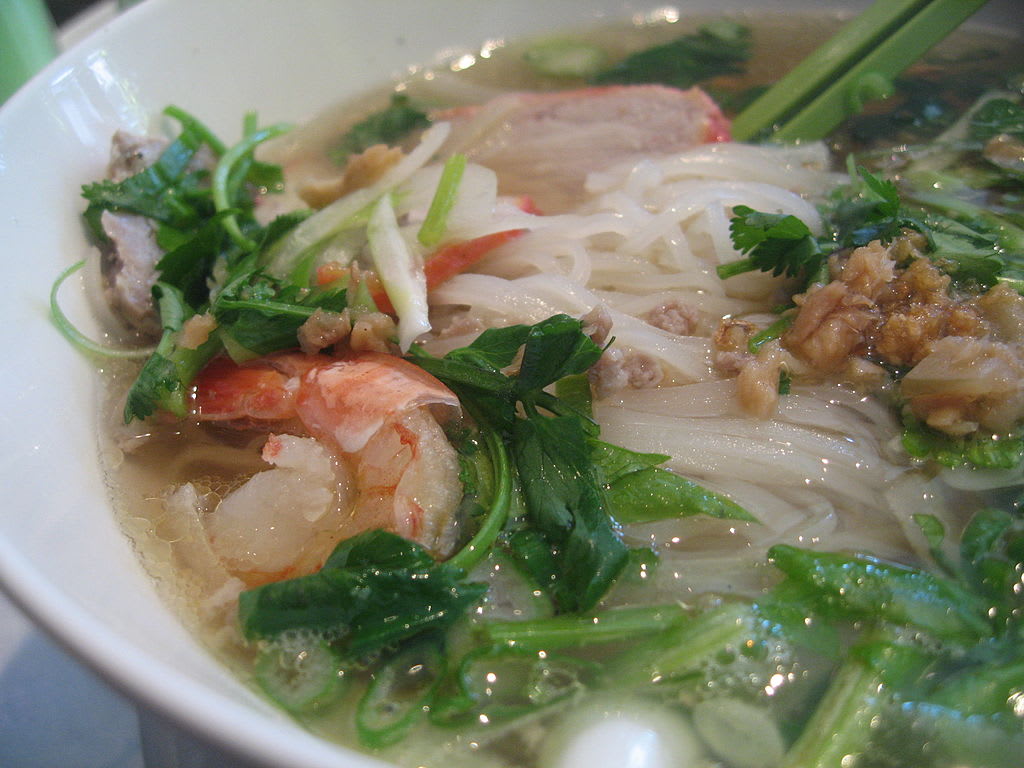
The cuisine in Vietnam is quite different to other popular South Asian food. A significant aspect is how food is made mostly by boiling and steaming as opposed to the hugely popular stir-fried versions of others. This clean method of preparation seems to have earned Vietnamese cuisine a huge place in the hearts of foodies across the globe. To enjoy the best of Vietnamese food while touring the nation here are some tips on how to eat and drink like a local in Vietnam.
Know a Thing or Two About Vietnamese Food Preparations
Vietnamese cuisine has subtle changes depending on outside influences; Buddhism plays a part by introducing an array of vegetarian dishes that you will immediately fall in love with, while in the south, food is cooked with a combination of spices similar to Thai and Indian. These subtle changes can be experienced in places like Hoi An – a port city influenced by travelling merchants from surrounding regions.
The French too heavily impacted the food scene in Vietnam by introducing new ingredients to the people; bread, pastries and dairy. Foreign influence is also responsible for the popular coffee and café culture prevailing in cities like Ho Chi Minh, and Hanoi. Popular ingredients include coriander, shallots, ginger, and fish sauce, which is made by fermenting fish over a period of time. The one ingredient you may want to watch out for is MSG. It’s used quite liberally and will be included in most dishes unless you request it to be left out.
Popular Traditional Dishes in Vietnam—Noodles and Soup
Soups are popular and varied across Vietnam. You will discover that each dish has subtle flavours and will include flat rice noodles as well as fresh herbs like shallots and ginger. Pho is one of the most popular, often eaten as a staple for breakfast. A bowl of pho is generally made with beef broth to which ginger, shallots and other spices are added; the dish may vary and sometimes contain pieces of beef, pork, or chicken. Eat the soup like a local by squeezing lemon over and adding either fish sauce or chilli flakes. In Hué, you can enjoy what is called bun bo, a beef soup containing noodles, or another called hu tieu, which is made with vermicelli. For a change from noodles, you can try Chao, which is a rice porridge-type thick soup, which has either flaked fish or chicken shreds accompanied by breadsticks. If you order soup to accompany your fish dish, it will quite often be sour and just right to blend in with the flavours.
During your travels, if you wish to experience more extravagant dishes, check out one called lau. This is more than a soup dish and will consist of vegetable broth served in an electric heater or sometimes the traditional way in a special dish that sits on coals. The vegetable broth is the centre piece into which you dip pieces of thin slices of meat or seafood such as prawns, let it cook and enjoy. A good way to combine culture and flavour is to travel across the nation; experience travel in a first-class train Vietnam offers to savour a unique perspective of local culture, food, and environs. A popular option is The Vietage offering luxurious train travel across Vietnam.
Enjoy the Popular Meat and Fish Dishes of Vietnam
Seafood is a firm favourite and popular ingredient in most Vietnamese cuisine. Chao tom is one of the more expensive dishes worth splurging on; it is made with a shrimp paste that is deep-fried once it's wrapped around sugar cane. The more popular fish dish is one called Cha ca; the dish is often prepared as a showpiece right at your table. The dish popular in Hanoi is served with noodles and peanuts.
Chicken, pork, and beef are the most popular meats in Vietnam with ground pork being used often. However, you must be prepared to eat just about any animal part if you want to eat like a local because in Vietnam the entire animal is considered edible.
Snake and dog meat is the more exotic meats you can think of trying to satisfy the adventure buff in you. Dog meat is particularly consumed in winter and is thought to bring good luck when eaten during the lunar month. Eating snake is a ritual; the meat is thought to improve the male virility. And beware that if you are a guest during a session of eating snake you may be tasked with the honour of eating the still-beating heart of the creature.
About the Creator
Keep reading
More stories from Daphne Olga and writers in Feast and other communities.
A guide to Yangon for first time travellers
Yangon, formerly Rangoon is Myanmar’s biggest metropolis and a wonder that must be beheld. From scenic lakes, busy marketplaces, iconic temples to streets that overflow in many a sight; here is a detailed guide on covering the length and breadth of Myanmar’s business and artistic hub.
By Daphne Olga11 months ago in Feast
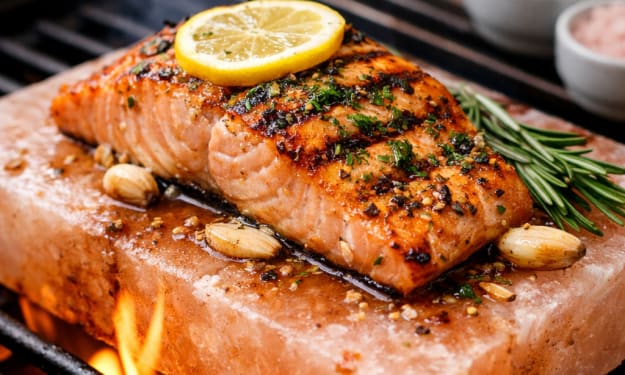
Grilled Salmon on Himalayan Pink Salt Bricks: Extraordinary Taste
That smoky piece of grilled salmon? People love how it tastes, full and hearty, yet light on the body thanks to good fats. Still, nailing the taste at home trips up plenty - too much salt shows up fast, or worse, the flesh turns stiff and parched before it's done.
By Hendra Edward2 days ago in Feast
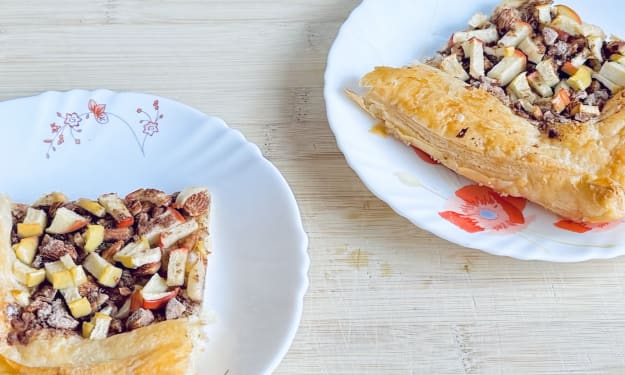
Apple and Almond Tart
So I spent the first half of Sunday making pancakes (of course, for my mother) and then I baked an apple and almond tart. Did I have to use a recipe from someone else? Nope. This is something quick and simple that you can do with a little bit of patience and a lot of ease. If you're looking for a quick dessert that's filling and tasty then I'd go with this, serving suggestions include:
By Annie Kapurabout 12 hours ago in Feast


Comments
There are no comments for this story
Be the first to respond and start the conversation.