
How To Begin A Gluten-Free Lifestyle
In Eight Easy Steps


When deciding on a new nutritional path, it’s important to remember that what is healthy for one person may not be for another. For me, I had studied about transitioning to a Gluten-Free way of eating long before I made the change myself and embraced my curiosity throughout the transition, which is especially important when your body reacts differently to any change expected. Even if you have a perfectly normal interaction with gluten, it is best to reduce the overall amount of gluten consumed daily.
What is Gluten?
While most are familiar with the term “gluten,” the understanding of it is not understood by many. Foods that contain gluten are highly processed, which typically means the food is devoid of high-quality nutrients to nourish the body. Gluten acts like a glue on the intestinal tract to “glue down” the vill, fingerlike tissue, that helps keep the intestinal tract motile and healthy. The intestinal tracts motility maintains regularity while the vill helps to absorb nutrients. Gluten contributes to inflammation not only in the gut but the entire body. One of its’ proteins, gliadin, increases gut permeability, also known as “Leaky Gut Syndrome.” As the permeability of the gut increases, it can allow unintended molecules through, so as the gut becomes more “leaky” it raises the chance for food sensitivities, autoimmune conditions, thyroid problems, malabsorption of nutrients, amongst others.
By avoiding gluten, many potential benefits include: less or no bloating, repairing of the gut lining allowing for healthy digestion, increased energy, clearer skin, and reduced chronic inflammation. Mental clarity and enhanced mood also benefit from reducing or eliminating gluten as doing so lowers the overall systemic inflammatory reaction of the body that helps to alleviate or prevent neurological conditions, since the gut and brain are deeply connected, also reducing symptoms of depression.
Eight Steps to transition to a Gluten-Free Diet
1. Discover Your Why
Before jumping right into a new way of eating, take a moment to focus on what your motivation is for wanting to remove gluten from your diet. Knowing and understanding this “why” will help everyone you are faced with the decision of whether or not to choose a meal containing gluten. Will your decision to remove gluten from your diet leave your future with peace, or stress? How can you envision the change six months from when you begin the process? Make sure to highlight what it is that you want to achieve and reflect on them throughout the entire process to help keep you centered on your path toward those goals.
2. Identify Your Support
Who is the support group that is encouraging you to make this decision? Is the nutritional shift radical from what your diet has usually consisted? As humans, we like to feel a sense of belonging, so we mirror the people around us even if it doesn’t move us toward our desires. For inevitable success, surround yourself with people that you want to be mirroring. Begin to notice how you would like to be supported and what thoughts or feelings are recognized as you imagine sharing the decision you’ve made about your health. Support can include cheering from the sidelines, sharing recipes to try, exploring Gluten-Free or gluten friendly restaurant’s. Some great resources are both the Gluten-Free Intolerance Group and the Gluten-Free Media Group that provide extensive information and research as well as continued sources on this topic.
3. Build Awareness Through Education
What is Gluten-Free and what benefits through avoidance? Build your awareness and discover which foods and products contain gluten so empowerment choices can be made about what you eat. Many foods are naturally Gluten-Free but gluten also “hides” in many unexpected places including- but not limited to- soy sauce; thick soups and sauces; alcohol; candy; even over the counter medications and lotions. Take the change as slowly as you need to, if you notice challenges arising, find a Health Coach to work alongside.
4. Shift Your Focus
When you first go Gluten-Free, it can seem to feel like all your favorite options are gone, which is simply an illusion as there are a large variety of new foods, herbs, and spices to explore. Searching out tools to utilize like books, blogs, apps and social media accounts devoted to this style of nutrition allows for instant access to quick, simple recipes to experiment with to find what you like best. Stay consistent throughout the process and even keeping a small journal where you can reflect by listing dishes you want to experiment cooking using gluten-free alternatives, or by asking yourself questions like: “what is one food that surprised me when I tried it?”, or “what is one thing I have learned about my body since making this transition?”.
5. Restock Your Kitchen
Filling your fridge and pantry with naturally gluten-free essentials helps keep commonly used items on hand, especially spices and herbs that are used for common dishes. When purchasing condiments and other ingredients, be sure to look for gluten-free brands and check the labels. Keeping a gluten-free quick reference guide on hand when grocery shopping makes things quick and easy. Labels tell us where and how our food was grown, raised or caught, and what impacts this had on the environment. Labels can be easily differentiated by “certified” and “non-certified.” Companies often label naturally gluten-free items as “gluten-free” such as bottled spring water, whole cute of meat, or produce. Wheat-free does not necessarily mean gluten-free. Grains such as wheat, rye, barley, malt, or oats are off limits unless specifically marked “GF.” Choosing organic produce as much as possible reduces chemical and pesticide consumption by reviewing which fruits and vegetables are most and least sprayed with chemicals.
6. Cook at Home
Preparing and cooking your food at home is one of the easiest ways to ensure you are eating the highest quality of food by knowing what is and what is not in your food. Before your week starts, look at your calendar and notice any opportunities in which you can prepare gluten-free meals at home. Check your social calendar to see if you have any lunch meetings or social events at restaurants and then decide how many meals you would like to eat gluten-free that week. Food prepping is immensely helpful too if you have a busy week ahead. Once you know how many gluten-free meals you want to have that week, begin to think about your cravings. Whether it is a specific dish or the flavors of a certain ethnic food, hop onto Google, or Pinterest to find an abundance of recipes for you to use. Double check your herbs and spices to make sure you are up to date and stocked on what it is you will need. If you can’t cook, there are gluten-free meal delivery options that bring homecooked meals to your door.
7. Proceed Gradually
Honor the learning curve of this new way of eating and any challenges encountered along the way. You are learning new ways to shop by reading labels and preparing new types of meals. Each week choose how many meals you would like to eat that are gluten-free and then gradually increase the number of meals until you have reached your goal. Depending on the severity of your gluten intolerance, a tiered-down approach to slowly remove gluten from your diet is a simple and seamless way to make this transition. If its medically necessary, then a faster transition may be required. Commit to having one gluten-free meal a day and slowly increase it until all of your meals are free of gluten. Following the 80/20 rule where you strive to eat 80% of the time is a great introduction into eating Gluten-Free. For some, even eating Gluten-Free 51% of the time is an improvement for them.
8. Create Success While Dining Out
Depending on the level of intensity of your reaction to gluten, traditional restaurants may pose as a problem. While many restaurants offer gluten-free options in their menu’s, cross-contamination may cause a reaction due to contamination throughout the kitchen. Searching out gluten-free kitchens is just as important as searching out gluten-free dishes, learn what works better for you and your body. Remember to embrace curiosity and learning as dining out during the beginning of the transition can feel daunting. Utilize apps like Yelp or Google to search “gluten-free” restaurants in your area and read reviews to gauge ones suited for you to try. Other apps like scanglutenfree.com, glutenfreetravelsite.com, findmeglutenfree.com, and glutenfreepassport.com are great apps to become familiar.
Today, a lot of restaurants respect the dietary restrictions and choices of their patrons and include gluten-free options on their menu, or their chef is prepared to make substitutions. Asking the right questions to the waitstaff of the restaurant, or by researching restaurant options before dining is best when transitioning to gluten-free.
What’s Next?
It is essential to always keep in mind is that “life happens” and there will be times when there are few Gluten-Free options available. Eating is meant to be pleasurable so if one finds themselves judging a specific food they ate, turn back to curiosity and ask yourself what it is your craving, what is it your body needs? You may find a way of eating that works right away or decides to change if entering a new phase in life that changes stress levels. Continue to listen to your body and stay curious as to which foods are going to help you achieve optimum health wherever you are at in your life.
About the Creator
Jessa Jansen
Mom, Writer, Artist, Activist and Forever Student.
Portfolio: https://jessajansen.journoportfolio.com
Medium Blog Series: https://medium.com/@jessajansen
Keep reading
More stories from Jessa Jansen and writers in Feast and other communities.
Getting Cryo Cold
Cryotherapy is becoming a familiar term with whole-body cryotherapy locations beginning to bloom on every block of major cities. I first became interested in cryotherapy based on reviews of the therapy, especially being someone interested in trying new things, so I signed the waiver online and booked my appointment. I can barely remember my first experience but felt like a “fish out of water” given the natural flow of everyone else in the studio. When my three minutes started, I stepped in a vertical, cylinder- shaped tank where I was lifted higher into the place where I handed over my robe and was face to face with the tech. I understood the need for a watchful eye but did not understand why the tech needed to be standing on a stool face to face with me, asking questions the entire time. I left feeling somewhat invigorated but also that I had missed out on the experience due to the chit-chatting with a stranger about my day that had barely begun while they were face to face with me, naked. I was left with no desire to return.
By Jessa Jansen6 years ago in Longevity
Widow invests $800,000 to start hawker culture experience centre in honour of late husband
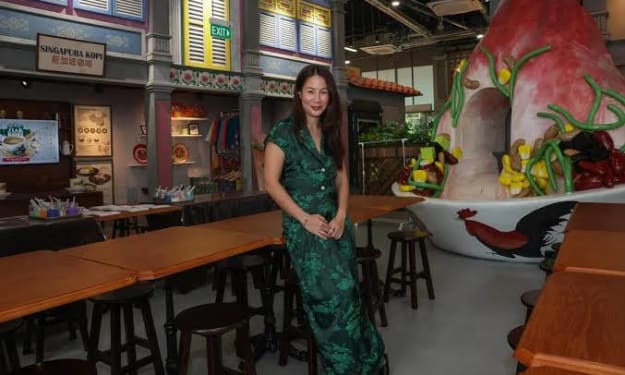
In a touching tribute to love, memory, and cultural heritage, a Singaporean widow has invested nearly $800,000 to establish a hawker culture experience centre dedicated to preserving and celebrating the vibrant food traditions that her late husband cherished throughout his life. The centre, which opened recently in Singapore, aims to provide visitors with an immersive journey into the country’s beloved hawker culture while honouring the legacy of a man who spent decades supporting local food vendors. The project was initiated by Lim Mei Hua, whose husband, Tan Wei Chong, passed away three years ago after a long illness. Tan was widely known among friends and family as a passionate supporter of traditional hawker stalls and frequently spent his weekends exploring different food centres across Singapore. According to Lim, the idea of creating a space dedicated to hawker heritage had long been one of her husband’s dreams. “He always believed that hawker culture was the heart of Singapore,” Lim said during the centre’s opening ceremony. “After he passed away, I wanted to do something meaningful that would keep his passion alive and allow future generations to understand why these traditions matter.” Singapore’s hawker culture is a cornerstone of the nation’s identity. The bustling open-air food centres, filled with vendors serving affordable and diverse dishes, reflect the multicultural roots of the country. In recognition of its cultural importance, UNESCO added Singapore’s hawker culture to its Representative List of the Intangible Cultural Heritage of Humanity in 2020. Lim’s experience centre is designed to showcase this heritage through interactive exhibits, live cooking demonstrations, and storytelling sessions led by veteran hawkers. Visitors can learn about the origins of iconic dishes such as Hainanese chicken rice, Laksa, and Char kway teow, while also exploring the personal journeys of the hawkers who prepare them. The centre includes a small exhibition gallery featuring photographs, kitchen tools, and handwritten recipes collected from hawker families across the city. Many of these items date back decades, offering a glimpse into how culinary traditions have been passed down through generations. One section of the centre recreates a traditional hawker stall environment, allowing visitors to experience what it feels like to work behind the counter during a busy lunch rush. Young participants can try their hand at simple cooking techniques while learning about the discipline and dedication required to master hawker cuisine. Local hawkers have warmly welcomed the initiative. Many worry that younger generations may be less interested in taking over family stalls, which often involve long hours and physically demanding work. By highlighting the cultural significance of these businesses, Lim hopes the centre will inspire renewed appreciation among the public. “Hawker food is not just about eating,” said veteran vendor Ong Kee, who participated in one of the centre’s demonstration sessions. “It’s about history, family, and community. Places like this help remind people why our traditions should continue.” Beyond cultural preservation, the experience centre also aims to support hawkers economically. A portion of ticket sales will be directed toward training programs for aspiring food vendors, helping them learn both traditional recipes and modern business skills. Lim believes this approach can help sustain the industry while adapting to changing times. Tourism officials in Singapore have also expressed optimism about the centre’s potential to attract international visitors interested in culinary experiences. Food tourism has become an increasingly important part of the country’s travel industry, with visitors eager to explore authentic local cuisine. For Lim, however, the centre’s true purpose goes far beyond tourism or business success. Every corner of the space reflects memories of her husband—his favorite dishes, the stalls he frequently visited, and the stories he loved to share. “Whenever I see people enjoying the exhibits or learning about hawker culture, I feel like his spirit is still here,” she said quietly. “This place is not just about the past. It’s about keeping something precious alive.” Through her remarkable gesture, Lim has transformed personal grief into a lasting tribute that celebrates love, heritage, and the enduring power of food to bring communities together. Her $800,000 investment ensures that the spirit of Singapore’s hawker culture—and the memory of the man who cherished it—will continue inspiring generations to come.
By Fiaz Ahmed 3 days ago in Feast



Comments
There are no comments for this story
Be the first to respond and start the conversation.