
How Temperature Affects the Flavor of Your Drink
Temperature effects on drink flavour


Temperature is one of the most powerful and often overlooked variables that shapes how a drink tastes. It changes chemistry, aroma release, mouthfeel, and even the way your brain interprets sweetness, bitterness, and acidity. Whether you’re brewing coffee, steeping tea, chilling a cocktail, or pouring wine, understanding how temperature interacts with flavor helps you predict the final experience and tailor it to your preference. For instance, when exploring drink varieties like those listed on the menu 7 brew, you’ll notice how certain beverages taste smoother or more vibrant at different serving temperatures, that’s temperature science at work in your cup.
Why temperature changes what you taste
Temperature alters perception because it directly affects the receptors in your mouth and nose, and it changes the rate at which flavor compounds move from liquid into air. Warm liquids vaporize aromatic molecules more easily, so hot drinks smell stronger and often taste more intense, while cold liquids slow down volatility and can mute aromas. At the same time, warmth increases the perception of sweetness, whereas cooler temperatures can highlight acidity or bitterness. Understanding this balance helps you get the best flavor experience from any drink, whether you prefer it iced, steaming hot, or somewhere in between.
The chemistry: solubility, extraction, and volatility
Three core chemical principles explain most temperature effects: solubility, extraction rate, and volatility. Higher temperatures increase solubility of many compounds and speed up reactions, so hot water extracts sugars, acids, and bitter compounds from coffee grounds or tea leaves faster. Volatility refers to how easily a compound turns into a gas, many of the compounds responsible for aroma are volatile and escape into the air more readily at higher temperatures. Cold, on the other hand, reduces solubility and slows extraction, which is why cold-brew coffee tastes smoother and less acidic than hot-brewed coffee: cooler extraction limits the release of certain sharp or bitter molecules.
Aroma and retronasal perception
Aroma is the largest contributor to what we call “flavor,” and temperature controls how aroma develops and travels. When you sip a hot beverage, warm vapors move retronasally (from the back of the mouth up into the nasal cavity) and stimulate olfactory receptors intensely. This can amplify fruity, floral, or roasted notes. Cold drinks trap volatile aromatics in solution, reducing retronasal stimulation and making flavor appear “flatter.” For aromatic cocktails or wines, slight warming or gentle swirling can unlock deeper, layered notes that might be hidden when chilled.
Hot drinks: coffee and tea | extraction matters
For brewed drinks like coffee and tea, temperature controls extraction dynamics. Hot water extracts soluble solids and oils quickly, producing brightness and pronounced aroma but if too hot or steeped too long, it extracts unwanted bitter or astringent compounds. That’s why different teas call for specific infusion temperatures: delicate green teas brew best below boiling to avoid grassy bitterness, while robust black teas can handle hotter water for fuller flavor. In coffee brewing, a narrow temperature range balances sweetness, acidity, and body; small shifts of even a few degrees can noticeably change mouthfeel and aftertaste.
Cold drinks: carbonation, mouthfeel, and sweetness perception
Cold temperatures preserve carbonation and intensify acidity. Carbon dioxide stays dissolved better at lower temperatures, increasing the tactile “bite” of sodas and sparkling wines. Cold also thickens the texture of liquids slightly (increasing viscosity), which can reduce the perception of sweetness. That’s one reason chilled beers, cocktails, and juices taste crisp but often less sweet than when they warm slightly. For some beverages, chilling masks off-flavors and emphasizes freshness; for others, especially complex wines or dark beers, cooler serving temperatures can dull depth and aroma.
Ice, dilution, and evolving flavor
Ice influences flavor through both cooling and dilution. As it melts, the drink’s composition changes, sugars, alcohol, and acids become more balanced or subdued depending on how quickly the ice melts. In cocktails, this controlled dilution can enhance mouthfeel and mellow harsh notes. Frozen drinks, on the other hand, intensify sweetness because freezing excludes solutes from ice formation, concentrating them in the liquid portion. Knowing how temperature and dilution interact helps you create a consistent taste from first sip to last.
Serving temperature and sensory harmony
Every beverage has an ideal temperature window that maximizes its intended taste. Hot drinks should be served warm enough to release aroma but not so hot they numb the palate. Beer and wine have their own serving standards: sparkling varieties shine cold for refreshment, while fuller-bodied reds open up at slightly higher temperatures. Cocktails vary, citrus-forward drinks benefit from a deep chill, while spirit-heavy ones taste smoother and slightly warmer. These guidelines help highlight desired notes and maintain sensory harmony.
How to taste and compare
To notice how temperature alters flavor, try a simple test: pour the same beverage into two glasses, warm one slightly, and chill the other. Taste both slowly, allowing the aromas to travel through your nose. Observe how sweetness, bitterness, acidity, and aroma change. You’ll find that certain characteristics, like brightness in coffee or fruitiness in wine, appear or disappear depending on warmth or chill. Developing this awareness helps you fine-tune your brewing or serving habits for more balanced results.
Practical adjustments for better results
If your drink tastes bitter, lowering brewing temperature or steep time can prevent over-extraction. If it tastes dull, warming it slightly can release aromatics. Keep carbonated beverages cold to maintain fizz, and consider how glassware, ice, and stirring methods affect final temperature. Understanding these small details lets you adjust flavor to your liking, turning an ordinary beverage into a well-crafted experience.
Conclusion
Temperature is more than a comfort choice, it’s a key flavor tool. By learning how it influences aroma, sweetness, acidity, and mouthfeel, you can master any drink from coffee to cocktails. Paying attention to these details doesn’t just make beverages taste better; it helps you appreciate the science behind every sip and create consistently enjoyable flavors.
About the Creator
David Brooks | Business Growth Specialist
Driving sustainable business growth by turning ideas into actionable strategies that improve efficiency, scalability, and profitability.
For example, I improve growth of https://shoring.ae/ with effective marketing strategy
Keep reading
More stories from David Brooks | Business Growth Specialist and writers in Feast and other communities.
Digital Books vs Physical Books: Which One Helps You Learn Better?
Choosing between digital books and physical books is no longer a simple preference question. When the goal is effective learning, better comprehension, or long-term memory retention, the medium itself can influence how information is processed. Modern research shows that while both formats can support learning, the way readers interact with each medium creates important differences in cognitive load, spatial memory, attention, and recall. Understanding these differences helps students, parents, and lifelong learners choose the right format for the right learning task.
By David Brooks | Business Growth Specialistabout a month ago in Education
My Tous les Jours Trip
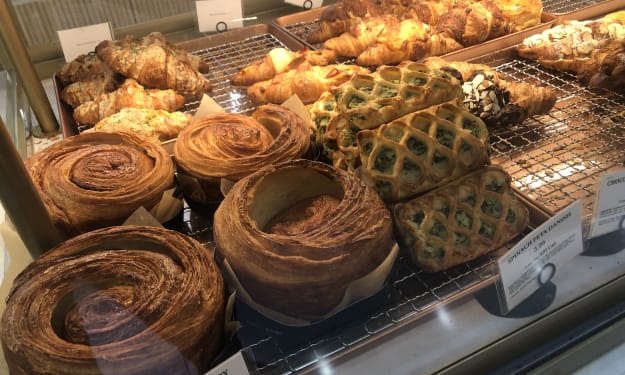
As someone who lives in a rural area, I don't get the chance to visit fancy restaurants or bakeries that often. So, when a friend told me about a French-Asian bakery that's less than an hour away, I knew I had to check it out and grab some pictures for social media. Tous les Jours ended up providing an immersive experience that went above and beyond my expectations--although I did leave with a few reservations.
By Kaitlin Shanks17 days ago in Feast
Germany Candy Market Size & Forecast 2025–2033
Germany Candy Market Overview The Germany Candy Market is poised for steady and sustained growth over the coming decade. According to Renub Research, the market is projected to expand from US$ 3.21 billion in 2024 to US$ 4.53 billion by 2033, registering a Compound Annual Growth Rate (CAGR) of 3.91% between 2025 and 2033.
By Marthan Sir4 days ago in Feast
The steps to losing a child
Step One: Lose a child. Not what anyone wants to happen and nothing you can do to change it, but you can go through steps to becoming happy again. You can go through steps to loving again. You can go through steps to become a new you because after losing a child you will never be the same person you once were.
By Tabitha Hinkley3 days ago in Fiction



Comments
There are no comments for this story
Be the first to respond and start the conversation.