
Fast, Feast, Repeat: Transform Your Life with Intermittent Fasting
Discover the Science Behind Intermittent Fasting and How It Can Reshape Your Body and Mind
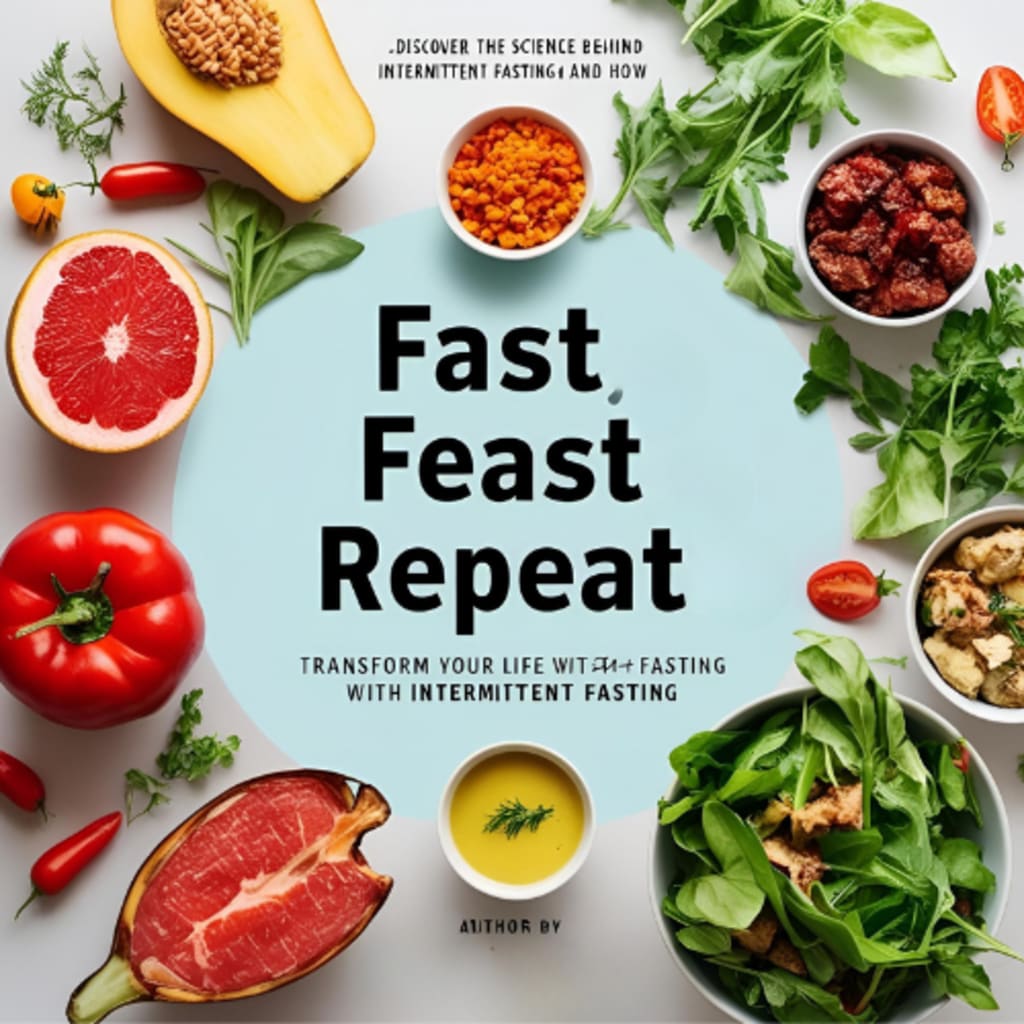
Introduction:
The world today is filled with countless diet plans and weight-loss strategies, each promising quick results with little effort. Yet, many of these diets fail to deliver long-term success, leaving people frustrated and unsure of what to do next. However, one approach that has been gaining immense popularity for its simplicity and effectiveness is Intermittent Fasting (IF), particularly the "Fast, Feast, Repeat" method. This method involves alternating between fasting and eating periods, creating a natural rhythm that allows your body to burn fat efficiently, while still enjoying the foods you love. In this essay, we will explore how the "Fast, Feast, Repeat" strategy works, its health benefits, and why it is transforming the way people think about food and dieting.
What is "Fast, Feast, Repeat
Fast, Feast, Repeat" is a popular approach to intermittent fasting, a dietary pattern that alternates between cycles of fasting and eating. The principle is simple: instead of focusing on what you eat all the time, you focus on when you eat. During the fasting phase, you restrict your food intake for a specific period, typically 16 to 24 hours. In the feast phase, you eat nourishing, wholesome meals within a set eating window.
The beauty of this approach lies in its flexibility. While some people may choose a 16-hour fast followed by an 8-hour eating window (16:8 method), others may prefer longer fasting periods of up to 24 hours. This versatility allows individuals to tailor the fasting periods to their lifestyles, making it easier to maintain long-term.
The Science Behind "Fast, Feast, Repeat"
The science behind intermittent fasting is rooted in the body's natural metabolic processes. When you fast, your body depletes its glycogen stores (the sugar stored in your liver and muscles) and begins to burn stored fat for energy. This process, called lipolysis, results in the breakdown of fat into fatty acids, which are then used as fuel.
Moreover, fasting triggers the release of human growth hormone (HGH) and adrenaline, which not only promote fat burning but also help preserve lean muscle mass. During the feast phase, you replenish your energy stores with nutrient-dense foods, ensuring that your body has the necessary nutrients to repair and regenerate.
This cycle of fasting and feasting works in harmony with the body's natural biological rhythms, making it a sustainable and effective way to improve health, manage weight, and increase energy levels.
Health Benefits of "Fast, Feast, Repeat"
Intermittent fasting, including the "Fast, Feast, Repeat" method, offers numerous health benefits that extend far beyond weight loss. Some of the most notable benefits include:
1. Fat Loss and Improved Metabolism:
Intermittent fasting has been shown to increase fat burning and improve metabolism by lowering insulin levels and increasing the body's reliance on fat as a primary energy source. This makes it an effective method for fat loss without the need for extreme calorie restriction.
2. Cellular Repair and Longevity:
During fasting, the body undergoes a process called autophagy, where it clears out damaged cells and regenerates new ones. This process is linked to increased longevity and a reduced risk of chronic diseases such as cancer, heart disease, and neurodegenerative conditions.
3. Improved Insulin Sensitivity:
Regular fasting helps reduce insulin resistance, which is a major factor in the development of type 2 diabetes. By improving insulin sensitivity, the body becomes better at managing blood sugar levels, which is crucial for overall health.
4. Better Brain Health:
Intermittent fasting has been linked to improved cognitive function, increased brain plasticity, and a reduced risk of neurological disorders like Alzheimer's. Fasting encourages the production of brain-derived neurotrophic factor (BDNF), which supports brain health and cognitive function.
5. Increased Energy Levels:
When the body adapts to using fat for fuel, many individuals experience increased energy levels and reduced feelings of fatigue. This is because fat provides a more sustained and efficient energy source compared to carbohydrates.
Practical Implementation of "Fast, Feast, Repeat"
To implement the "Fast, Feast, Repeat" strategy successfully, it is essential to create a routine that fits your lifestyle. Here are some practical steps to help you get started:
1. Choose Your Fasting Window:
Start by selecting a fasting window that suits your daily schedule. The 16:8 method, where you fast for 16 hours and eat within an 8-hour window, is a popular choice. For example, you can have your first meal at 12:00 PM and finish your last meal by 8:00 PM.
2. Stay Hydrated:
During the fasting period, it's essential to stay hydrated. Drink plenty of water, herbal teas, or black coffee (without sugar or cream) to stay energized and curb hunger.
3. Focus on Whole, Nutrient-Dense Foods:
During the eating phase, focus on eating whole, unprocessed foods. Include lean proteins, healthy fats, fiber-rich vegetables, and fruits to nourish your body. Avoid processed foods, refined sugars, and excess carbohydrates.
4. Start Slowly:
If you're new to fasting, start with a shorter fasting window and gradually increase it over time. For instance, you can start with a 12-hour fast and extend it to 16 hours as your body adapts.
5. Listen to Your Body:
Pay attention to how your body responds to fasting. If you're feeling fatigued, dizzy, or excessively hungry, it may be a sign to adjust your fasting schedule or consult a healthcare professional.
Challenges and How to Overcome Them
While "Fast, Feast, Repeat" can be highly effective, it may present some challenges, especially in the beginning. These challenges can include:
- Hunger: Hunger can be an issue when starting intermittent fasting. However, over time, your body adjusts, and hunger pangs typically subside.
- Social Situations: Social gatherings and events often revolve around food, making fasting challenging. Planning ahead, eating before social events, or choosing a fasting schedule that fits with social occasions can help.
- Energy Slumps: In the early stages, some people may experience energy slumps. This is usually temporary as the body adapts to burning fat for energy.
To overcome these challenges, patience and consistency are key. Remember that the body needs time to adjust to new eating patterns, and it’s okay to tweak your fasting schedule as needed.
Conclusion
"Fast, Feast, Repeat" is more than just a diet—it's a lifestyle that promotes sustainable health and well-being. By following the simple yet powerful principle of fasting and feasting, individuals can unlock their body's fat-burning potential, improve metabolic health, and experience enhanced energy levels. This method is not only effective for weight loss but also for overall health and longevity. With consistency and mindful eating, "Fast, Feast, Repeat" can help you achieve your health goals and lead a more vibrant, energized life
About the Creator
Fazal Rahman
I’m Fazal Rahman—a storyteller at heart and book seller by trade. I create and share content that sparks curiosity, makes you think, and maybe even makes you smile. Find my books on Amazon and my thoughts right here on Vocal.
Keep reading
More stories from Fazal Rahman and writers in Feast and other communities.
My Tous les Jours Trip
As someone who lives in a rural area, I don't get the chance to visit fancy restaurants or bakeries that often. So, when a friend told me about a French-Asian bakery that's less than an hour away, I knew I had to check it out and grab some pictures for social media. Tous les Jours ended up providing an immersive experience that went above and beyond my expectations--although I did leave with a few reservations.
By Kaitlin Shanks21 days ago in Feast




Comments
There are no comments for this story
Be the first to respond and start the conversation.