
Europe Coffee Market Size and Forecast 2025–2033: Tradition Meets Innovation in a €66.98 Billion Industry
How premiumization, sustainability, and home brewing are reshaping Europe’s coffee culture


Introduction: Coffee at the Heart of European Life
Coffee in Europe is far more than a beverage—it is a ritual, a lifestyle, and a deeply rooted cultural tradition. From Italy’s espresso bars to France’s sidewalk cafés and Germany’s filter coffee habits, coffee defines social interactions and daily routines across the continent. Today, this cultural legacy is transforming into a powerful economic engine.
According to Renub Research, the Europe Coffee Market was valued at USD 47.88 billion in 2024 and is projected to reach USD 66.98 billion by 2033, growing at a CAGR of 3.80% from 2025 to 2033. This steady expansion is driven by rising coffee consumption, premium and specialty coffee demand, strong home-brewing trends, and increasing focus on sustainability and ethical sourcing.
As Europe blends tradition with innovation, the coffee market is entering a new phase—one where quality, transparency, and experience matter more than ever.
Europe Coffee Market Overview
Coffee is a brewed beverage prepared from roasted coffee beans and is prized for its aroma, flavor complexity, and caffeine content. Across Europe, coffee has evolved into a symbol of identity and culture. Espresso-based drinks like cappuccino, latte, and macchiato dominate café menus, while home consumption continues to rise rapidly.
Italy, France, and Germany lead the region’s coffee culture, but specialty coffee shops, artisanal roasters, and third-wave cafés are expanding in almost every European country. At the same time, consumers are increasingly seeking organic, single-origin, and sustainably sourced beans, reinforcing Europe’s role as a global leader in premium coffee consumption.
Key Growth Drivers in the Europe Coffee Market
1. Surging Demand for Specialty and Premium Coffee
One of the strongest drivers of growth is the rapid shift toward specialty and premium coffee. European consumers are increasingly willing to pay more for high-quality beans, unique flavor profiles, and transparent sourcing practices. The third-wave coffee movement has turned coffee into an artisanal experience, elevating it from a commodity to a craft.
Independent roasters and specialty cafés are flourishing, especially in Western Europe. Single-origin beans, light roasts, and experimental brewing techniques have gained widespread popularity. Europe accounted for 31% of global coffee consumption in 2022, making it the world’s largest coffee-consuming region, with some of the highest per-capita consumption levels globally.
2. Rising Popularity of Home Coffee Brewing
The growth of at-home coffee consumption has significantly reshaped the market. Consumers are investing in espresso machines, grinders, and premium beans to replicate café-style experiences at home. This trend accelerated during the COVID-19 pandemic and has remained strong ever since.
Coffee pods, whole beans, and ground coffee tailored for home use are seeing rising demand. In countries like Luxembourg and Finland, coffee consumption reaches extraordinary levels. Luxembourg leads with an average of 5.31 cups per day per person, highlighting Europe’s deep-rooted coffee culture and consistent demand base.
3. Sustainability and Ethical Sourcing Take Center Stage
European consumers increasingly prioritize sustainability, making it a defining factor in purchasing decisions. Certifications such as Fair Trade, Rainforest Alliance, and organic labels have become mainstream, influencing both brand choice and loyalty.
The EU Deforestation Regulation (EUDR) is pushing companies to ensure their coffee supply chains are free from deforestation, encouraging traceability and responsible sourcing. While this adds complexity to operations, it also strengthens Europe’s leadership in ethical consumption and long-term environmental responsibility.
Challenges Facing the Europe Coffee Market
Price Volatility and Supply Chain Disruptions
Coffee production is highly sensitive to climate change. Unpredictable weather, droughts, and rising temperatures impact yields and bean quality, leading to price volatility. Geopolitical tensions and transportation costs further disrupt supply chains, pushing up production and retail prices.
For manufacturers and retailers, managing these fluctuations while maintaining margins remains a key challenge.
Growing Competition from Alternative Beverages
The European beverage market is becoming increasingly competitive. Consumers—especially younger demographics—are exploring alternatives such as matcha, herbal teas, kombucha, energy drinks, and plant-based lattes. Concerns about caffeine intake are also driving some consumers toward decaffeinated and functional beverages.
To stay competitive, coffee brands are diversifying their product portfolios, offering low-caffeine options, functional blends, and ready-to-drink coffee innovations.
Product Type Insights
Europe Whole Bean Coffee Market
Whole bean coffee is experiencing strong growth as consumers seek fresher and more flavorful experiences. With more people brewing coffee at home, demand for grinders and high-quality beans is rising. Specialty roasters are expanding offerings of single-origin and organic whole beans, especially in Germany, France, and Italy, where quality-driven consumption dominates.
Europe Instant Coffee Market
Instant coffee remains popular, particularly in the UK and Eastern Europe, due to its affordability and convenience. The segment is evolving with innovations such as freeze-dried coffee, premium instant blends, and single-serve sachets, appealing to busy professionals and office workers. While specialty coffee is growing, instant coffee continues to hold a stable share of the market.
Coffee Pods and Capsules
Pods and capsules have revolutionized home brewing, offering convenience without sacrificing quality. Premium pod brands, recyclable materials, and compostable capsules are driving demand, especially in urban households and high-income regions.
Distribution Channel Trends
Supermarkets and Hypermarkets Lead Sales
Supermarkets and hypermarkets dominate coffee retail in Europe due to convenience, wide selection, and competitive pricing. Private-label coffee brands are expanding rapidly, catering to both budget-conscious consumers and premium buyers. Organic and ethically sourced options are increasingly prominent on shelves, supported by in-store tastings and loyalty programs.
Specialist Retailers Drive Premium Growth
Specialist coffee retailers are the backbone of the premium segment. These outlets offer curated beans, brewing equipment, and expert guidance, appealing to consumers seeking a personalized coffee experience. Independent roasters and boutique cafés are thriving in major European cities, fueled by the rise of third-wave coffee culture and ethical sourcing.
Country-Level Market Insights
United Kingdom Coffee Market
The UK has a dynamic coffee market characterized by strong demand for café-style beverages and instant coffee. Specialty coffee chains, independent cafés, and premium home brewing are fueling growth. Coffee subscription services and online retail have further expanded access to high-quality coffee. Despite economic uncertainties, innovation continues to drive the UK market forward.
Germany Coffee Market
Germany is one of Europe’s largest coffee consumers, with a strong preference for filter coffee and whole beans. Specialty coffee and sustainable sourcing are growing rapidly, while supermarkets and discount retailers ensure broad accessibility. Organic and fair-trade coffee consumption is shaping buying behavior.
In March 2022, Peet’s Coffee introduced vegan and dairy-free beverages, reflecting the market’s growing interest in plant-based options.
Italy Coffee Market
Italy remains the spiritual home of espresso culture. Traditional espresso bars dominate, but interest in specialty and single-origin coffee is rising. Home espresso machine usage is increasing, especially among younger consumers exploring global coffee trends.
In January 2022, Starbucks opened its first Italian drive-thru in Lombardy, marking a new chapter in Italy’s evolving coffee landscape.
France Coffee Market
France’s coffee culture centers on espresso and café au lait, but demand for organic, fair-trade, and specialty coffee is accelerating. Home consumption is rising as consumers invest in premium machines and beans. Independent roasters and third-wave cafés are influencing preferences, especially in urban areas.
In 2023, France recorded per capita coffee consumption of 5.4 kg annually, ranking among Europe’s top consumers.
Europe Coffee Market Segmentation
By Product Type
Whole Bean
Ground Coffee
Instant Coffee
Coffee Pods and Capsules
By Distribution Channel
On-Trade
Off-Trade
Supermarkets/Hypermarkets
Convenience Stores
Specialist Retailers
Other Off-Trade Channels
By Country
United Kingdom
Germany
France
Russia
Italy
Spain
Rest of Europe
Competitive Landscape and Company Analysis
Major players shaping the Europe coffee market include:
JAB Holding Company
Nestlé SA
The Kraft Heinz Company
J.J. Darboven GmbH & Co. KG
Strauss Group Ltd
Melitta Group
Starbucks Corporation
Krüger GmbH & Co. KG
Luigi Lavazza SpA
Maxingvest AG (Tchibo)
These companies compete across four key dimensions: market overview, recent strategies, product launches, and revenue performance, with strong focus on innovation, sustainability, and premium positioning.
Final Thoughts: The Future of Coffee in Europe
Europe’s coffee market is entering a transformative decade. While tradition remains strong, innovation is reshaping how coffee is sourced, brewed, and consumed. The shift toward premiumization, ethical sourcing, and home brewing reflects a more conscious and experience-driven consumer base.
With the market projected to reach USD 66.98 billion by 2033, Europe will remain a global powerhouse in the coffee industry. Brands that balance heritage with innovation—and sustainability with convenience—will be best positioned to thrive in this evolving landscape.
About the Creator
Keep reading
More stories from Aaina Oberoi and writers in Feast and other communities.
Europe Breakfast Cereals Market Size and Forecast 2025–2033
Introduction: A New Morning for Europe’s Breakfast Culture The European breakfast cereals market is entering a new phase of transformation, shaped by health awareness, evolving lifestyles, and innovation in product formulation. Once viewed as a simple convenience food, breakfast cereals are now positioned as functional nutrition products that cater to diverse dietary needs, including gluten-free, organic, keto-friendly, and plant-based preferences.
By Aaina Oberoiabout 10 hours ago in Feast
My Tous les Jours Trip
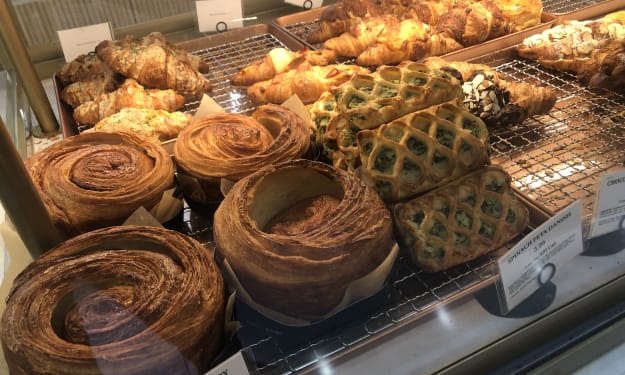
As someone who lives in a rural area, I don't get the chance to visit fancy restaurants or bakeries that often. So, when a friend told me about a French-Asian bakery that's less than an hour away, I knew I had to check it out and grab some pictures for social media. Tous les Jours ended up providing an immersive experience that went above and beyond my expectations--although I did leave with a few reservations.
By Kaitlin Shanks26 days ago in Feast
Global Fruit Snacks Market Set to Double by 2033 as Healthier Snacking Takes Center Stage
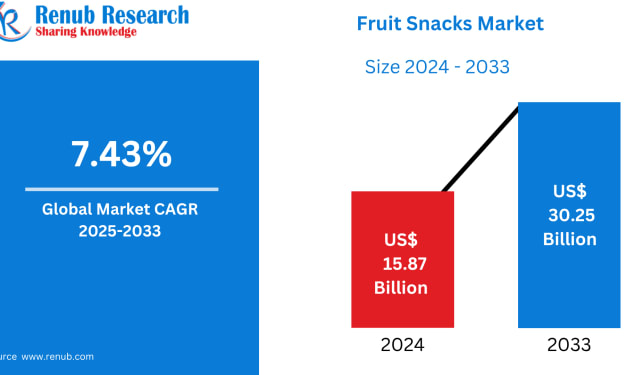
Global Fruit Snacks Market Size & Forecast 2025–2033 The Global Fruit Snacks Market was valued at US$ 15.87 billion in 2024 and is expected to grow to US$ 30.25 billion by 2033, registering a strong CAGR of 7.43% during 2025–2033, according to Renub Research. This robust expansion is being driven by a powerful combination of changing consumer lifestyles, increasing health awareness, and the global shift toward convenient, naturally derived snack foods.
By jaiklin Fanandish2 days ago in Feast
How to Succeed at the Benson Directory®
Congratulations and welcome to the Benson Directory® employee #22391! As our newest call handler, you will have the privilege of speaking with dozens of unique and interesting people on a daily basis as well as the opportunity to earn bonuses for high performance. Contained within this handbook you will find a set of ease to follow instructions designed to help you settle in to your new role and begin paving the way to success.
By S. A. Crawford4 days ago in Fiction


Comments
There are no comments for this story
Be the first to respond and start the conversation.